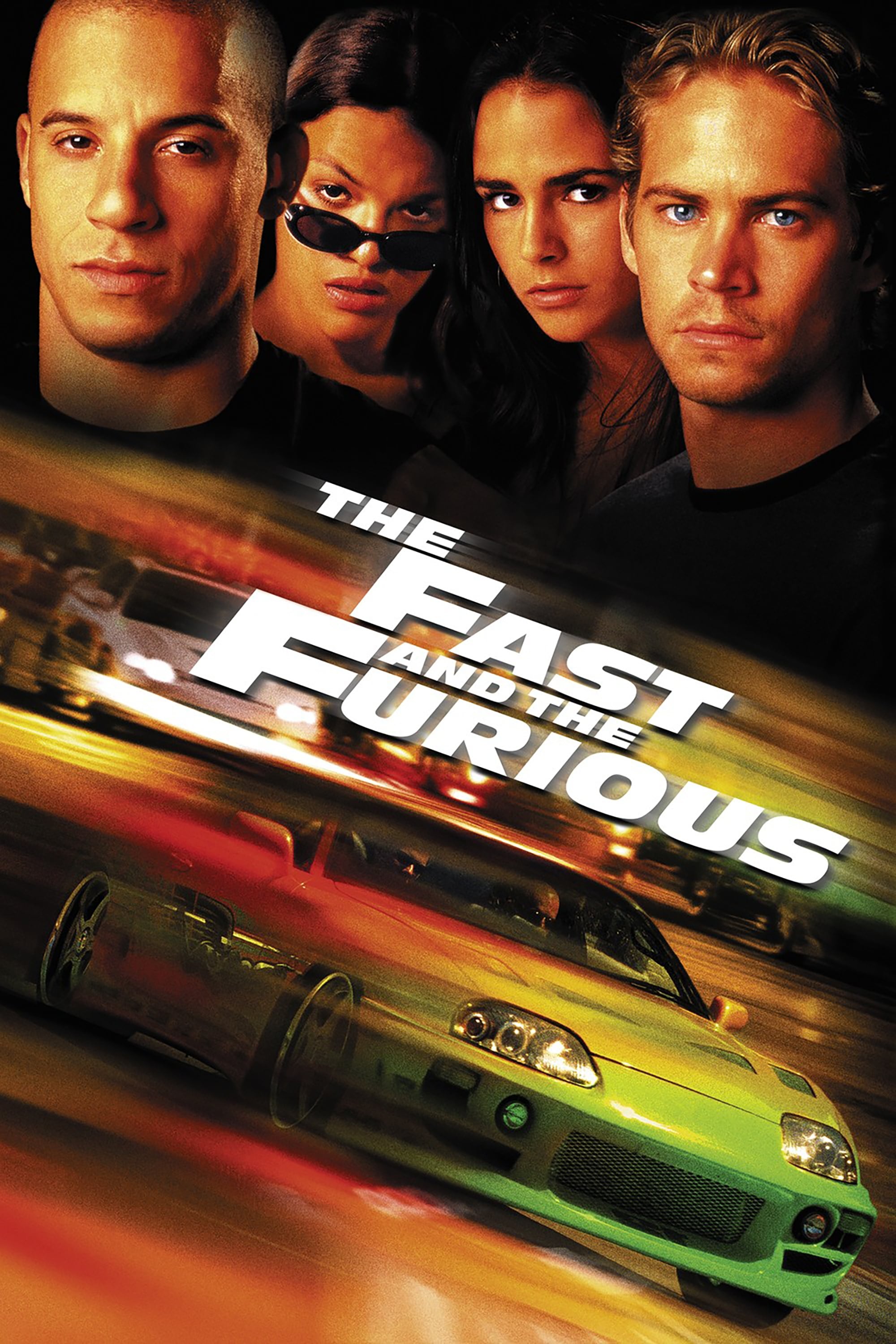
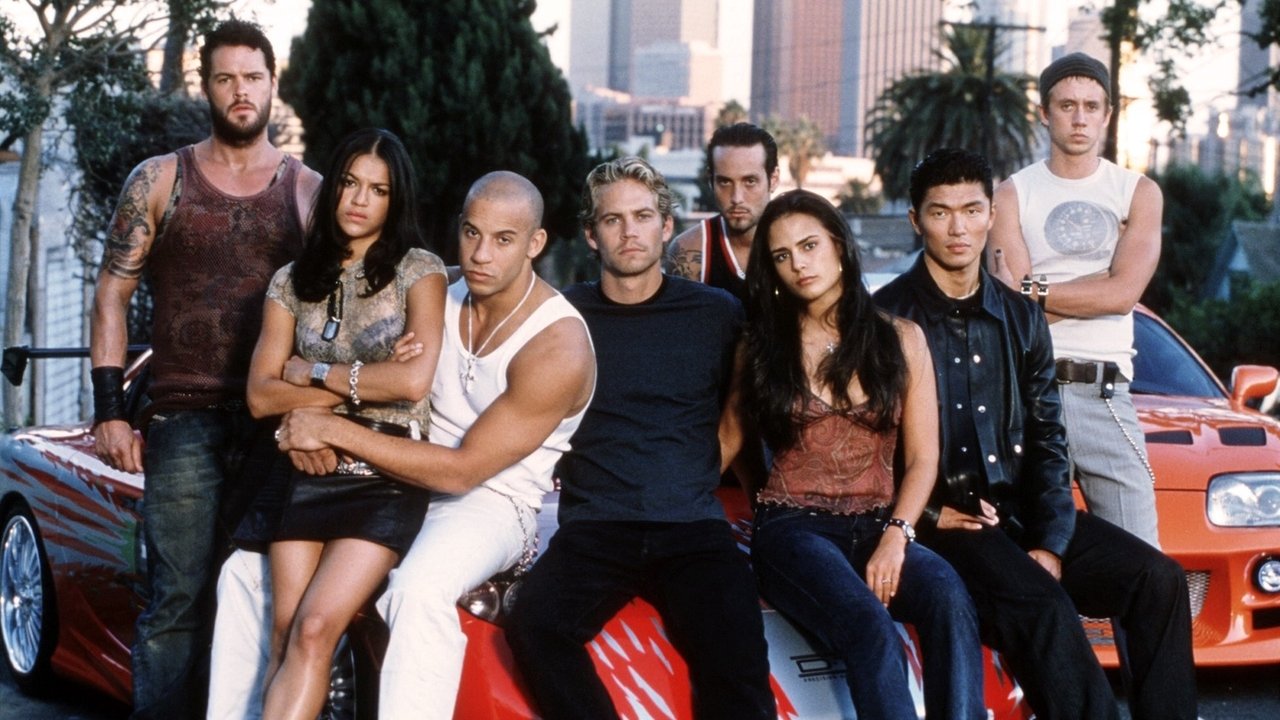
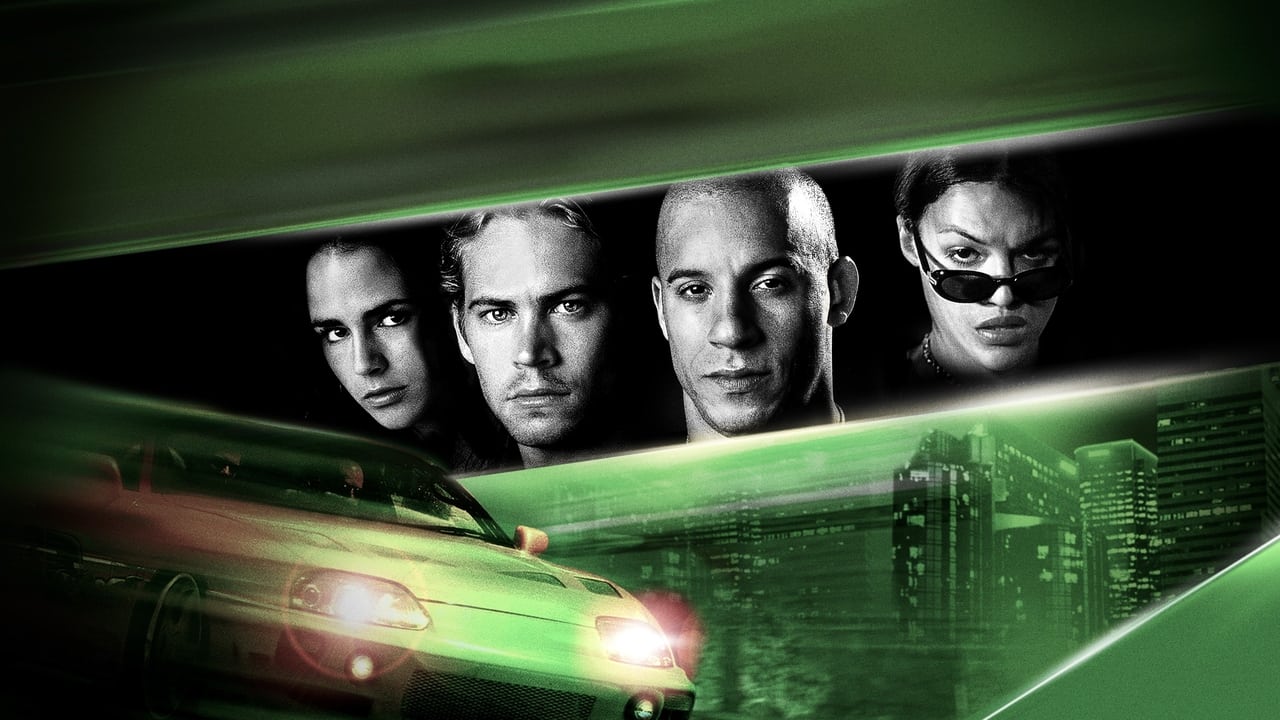
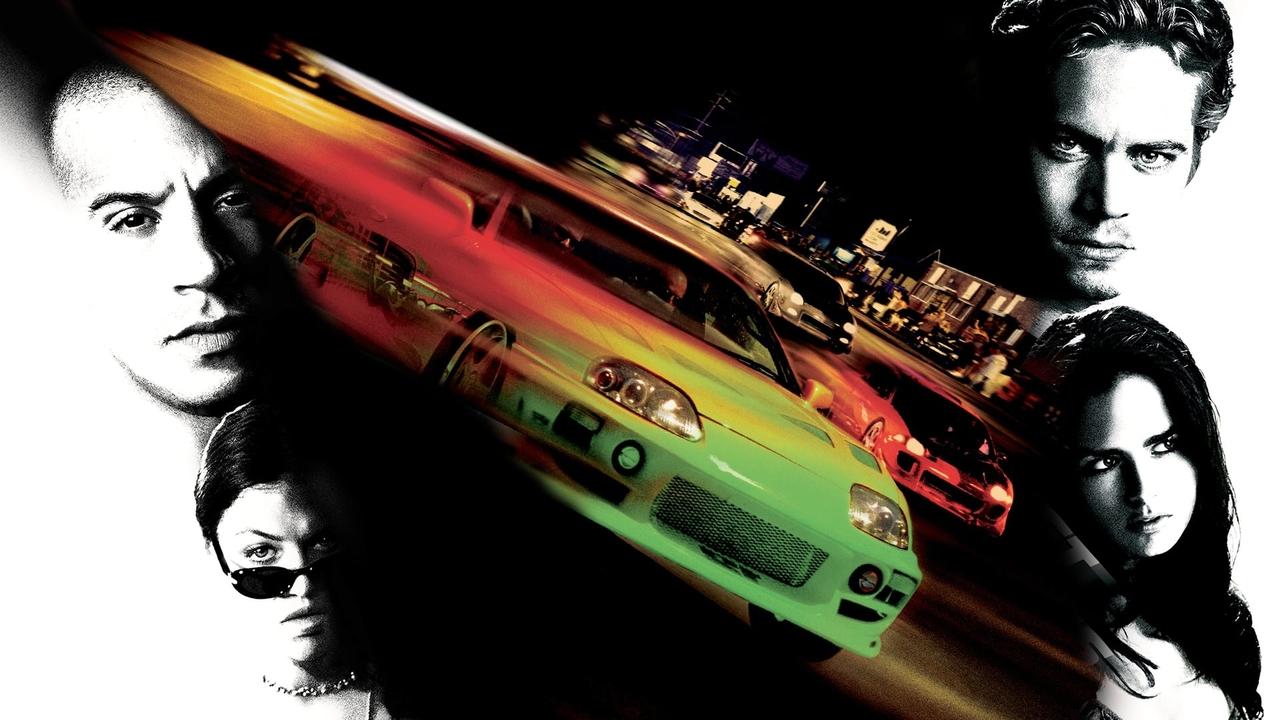
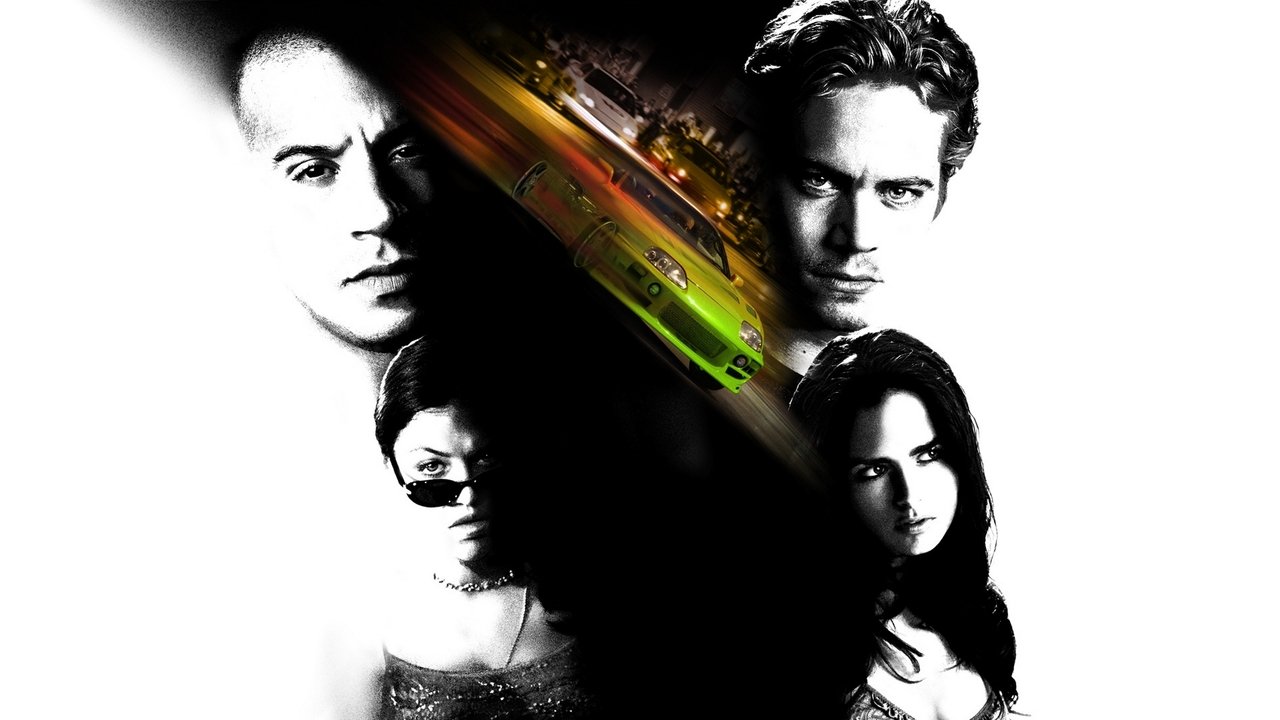
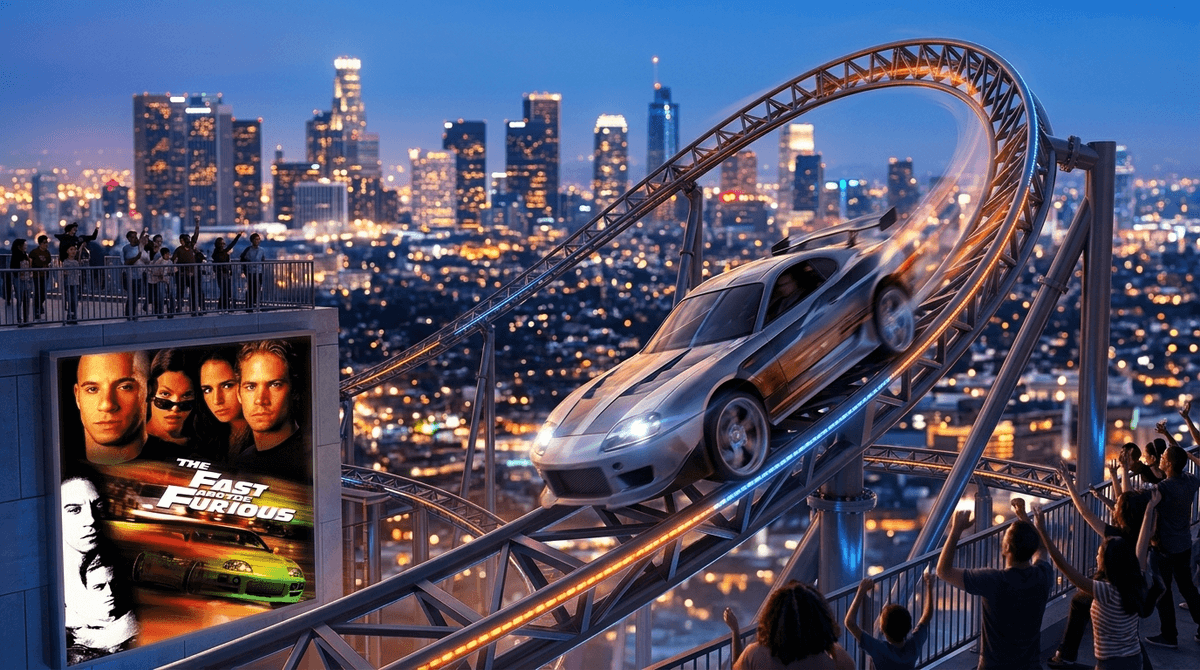
Watching this in 2026 feels like opening a time capsule from a world that didn't yet know it wanted a twelve-movie saga about "family" and international espionage. Before the franchise became a billion-dollar juggernaut with its own high-tech drifting coaster, it was just a gritty, mid-budget heist movie about guys stealing combo TV/VCR players. It’s remarkably small-scale, which is its greatest strength and its biggest hurdle for a modern audience.
The VCR Heist Era
If your kid is coming to this after seeing the later, polished entries where cars jump between skyscrapers, they are going to be confused. The stakes here are incredibly low. Dominic Toretto isn't saving the world; he’s trying to pay for car parts by hijacking semi-trucks. The action is grounded in actual physics—mostly—and the drama is pure soap opera.
Critics at the time weren't impressed, as seen in that 37% Rotten Tomatoes score, but they missed the point. The movie isn't trying to be high art; it’s trying to be a vibe. That vibe is 2001 Los Angeles: baggy jeans, frosted tips, and the specific neon-underglow aesthetic that defined a generation of car culture. It’s earnest in a way that modern action movies rarely are.
The "Aged Like Milk" Problem
You need to be ready for the friction. The script is a product of its time, and not in a "charming vintage" way. The casual use of the N-word and homophobic slurs will likely catch you and your teen off guard. It’s not used to make a point about character; it’s just used as filler dialogue, which makes it even more jarring for a 2026 viewer.
Then there’s the way the movie handles women. They are essentially part of the car's paint job—there to look good and be won as prizes. If you’re looking for racing films for family night that don't require a pre-movie lecture on 21st-century social progress, you might want to pivot to something more recent. This is a "cultural artifact" watch, not a "turn your brain off" watch.
Why Bother?
Despite the 58 Metacritic score and the dated dialogue, the core of the movie—the relationship between Brian O’Conner and Dom—is still the anchor of the entire series. You can see the blueprint for everything that followed: the obsession with loyalty, the "found family" tropes, and the idea that a quarter-mile race can solve any emotional conflict.
If your teen is a gearhead, the practical stunts are still impressive. There’s no CGI-heavy nonsense here; it’s real cars doing real drifts. It’s a masterclass in how to film speed, even if the "danger" is just a guy with a shotgun on a moving truck. Just keep the remote close for the dialogue—you’re going to want to talk through the parts that haven't kept pace with the cars.