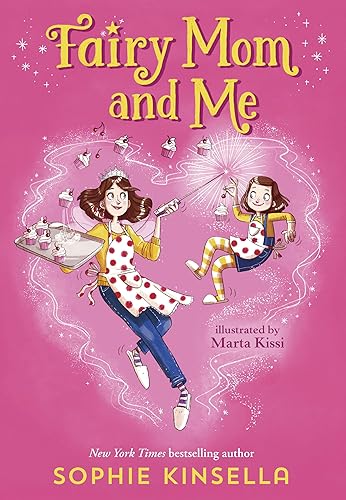
If you’ve ever read a Sophie Kinsella novel, you know her brand is the "lovable disaster." Bringing that energy to a fairy godmother—who also happens to be the protagonist's mom—is a smart move. It flips the script on the typical "perfect magical mentor" trope. Instead of an all-knowing guide, Ella’s mom is more like a parent trying to figure out a new iPhone without the manual.
The "Hot Mess" Magic
The humor here works because it’s rooted in something every modern kid sees daily: tech frustration. The "Computawand" and "Fairy Tube" jokes aren't just window dressing; they drive the plot. When Mom forgets her magic codes or a spell glitches because of a bad connection, it mirrors the real-world friction of a Zoom call dropping or an app freezing.
Ella is the "straight man" in this comedy duo. She’s the one holding the instructions and keeping things on track. For a seven-year-old reader, there is an immense satisfaction in seeing a kid be more competent than the adult. It’s a safe way to play with power dynamics, and because the relationship is so warm, it never feels mean-spirited.
Sitcom-Style Storytelling
Don’t go into this expecting a grand, sweeping narrative arc. This is a collection of vignettes. One chapter is about a dinner party mishap, another about a "fairy flu." This structure makes it a top-tier choice for bedtime. You can finish a single adventure in ten minutes, hit a clean stopping point, and not deal with the "just one more chapter" drama that comes with high-stakes cliffhangers.
The episodic nature also makes it a great confidence-builder for kids graduating from picture books to early middle grade. The vocabulary is accessible, the sentences are punchy, and Marta Kissi’s illustrations provide enough visual context that the transition to longer text doesn't feel like a chore.
The "Rainbow Magic" Alternative
If your house is currently drowning in Rainbow Magic or Isadora Moon books, think of Fairy Mom and Me as the slightly more sophisticated cousin. While Rainbow Magic can feel like it was written by a marketing algorithm, Kinsella’s voice is distinct. There’s a specific British wit here that makes the "idoo" spells feel charming rather than cloying.
It’s the perfect bridge for a kid who wants the glitter and wings of a "girly" book but has the attention span for actual jokes and character personality. It’s not going to challenge their world view, but it will keep them turning pages without you having to grit your teeth through the prose. If they breeze through this, you’ve got a clear path toward series like The Worst Witch or Upside-Down Magic, where the magical mishaps have a bit more bite.