The sound design is the real star
Most shows about disability feel like they're talking at you. This one puts you inside Cece’s head by messing with the audio. When her hearing aid is muffled, the show’s audio gets fuzzy. When she’s overwhelmed, the soundscape reflects that isolation. It’s a brilliant move because it moves the story from "sympathetic" to "empathetic" without a single lecture. If you’ve ever wondered how to explain sensory processing or physical differences to a kid, this does the heavy lifting for you.
Better than the book?
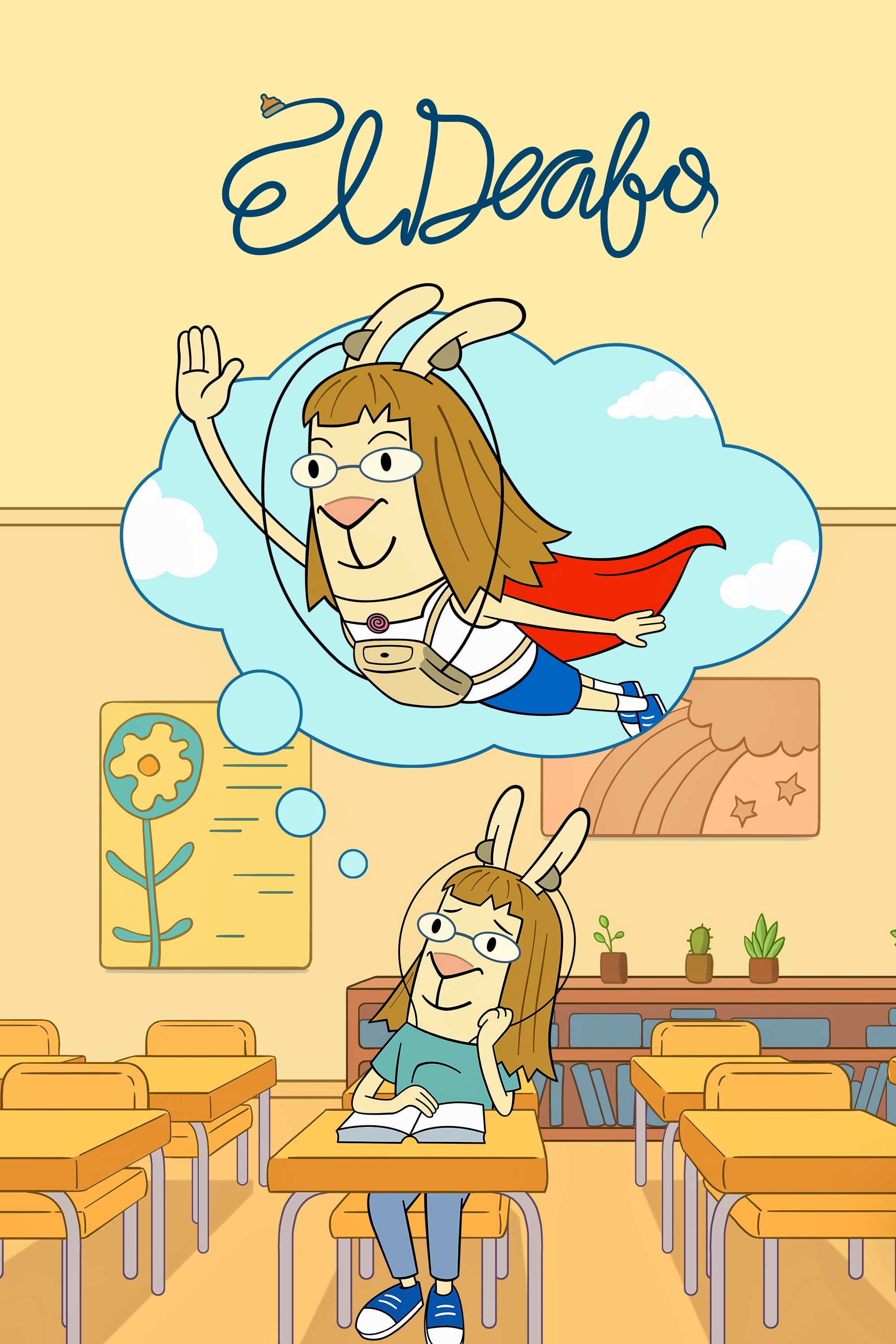
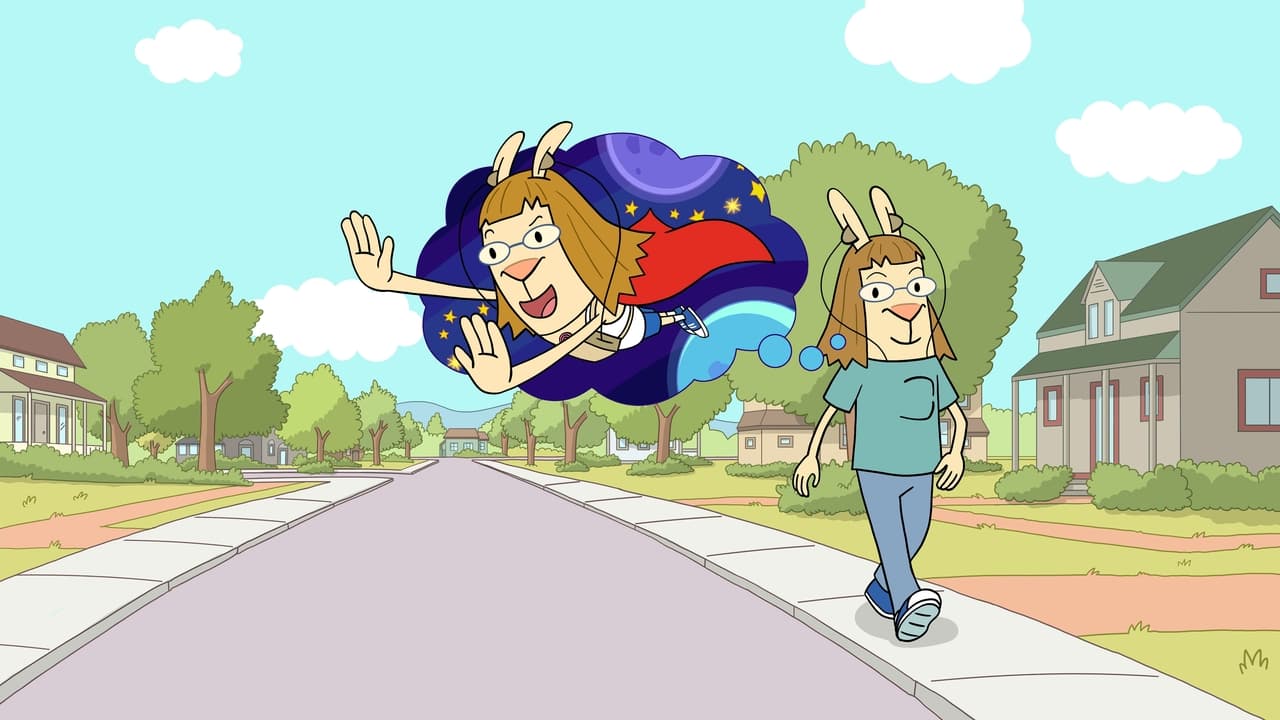
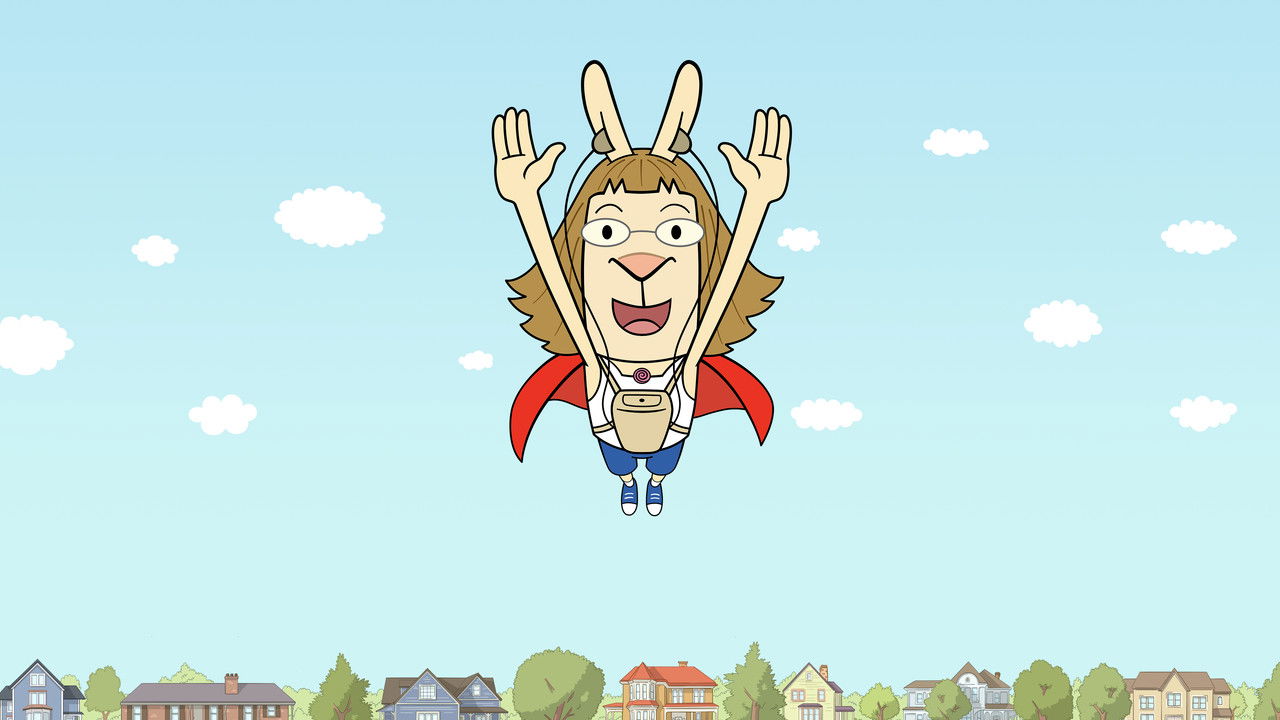
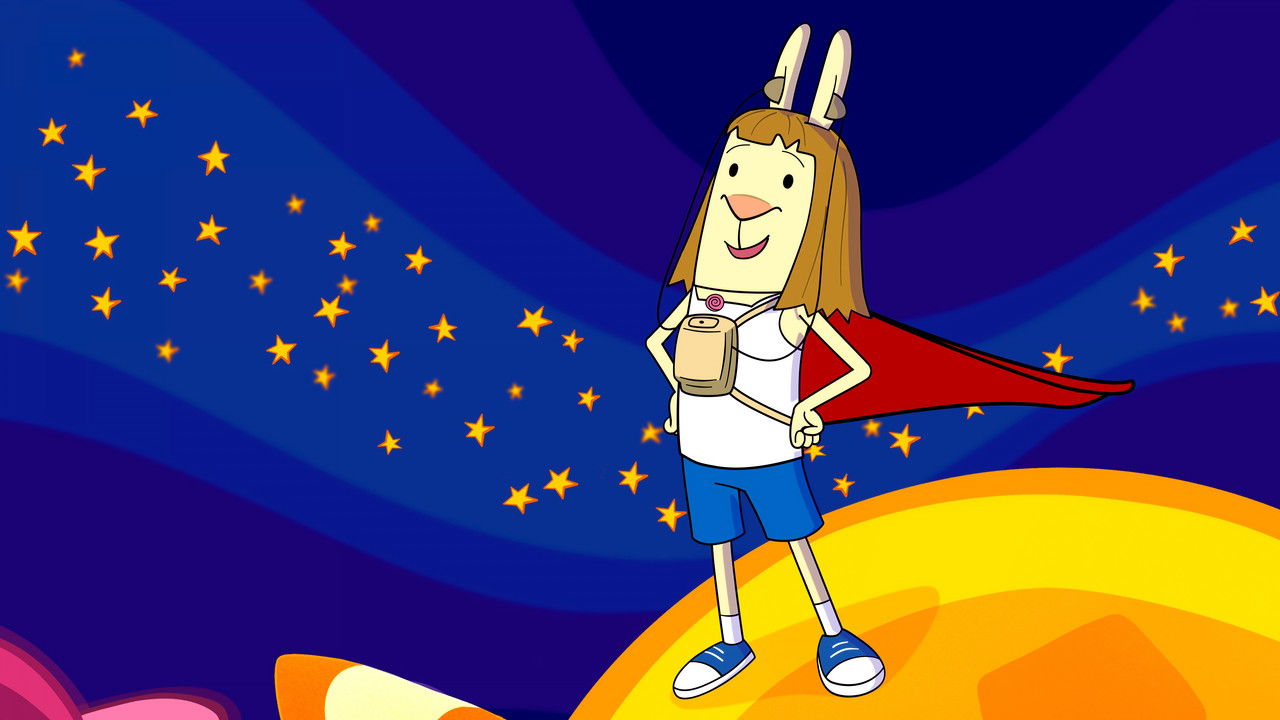
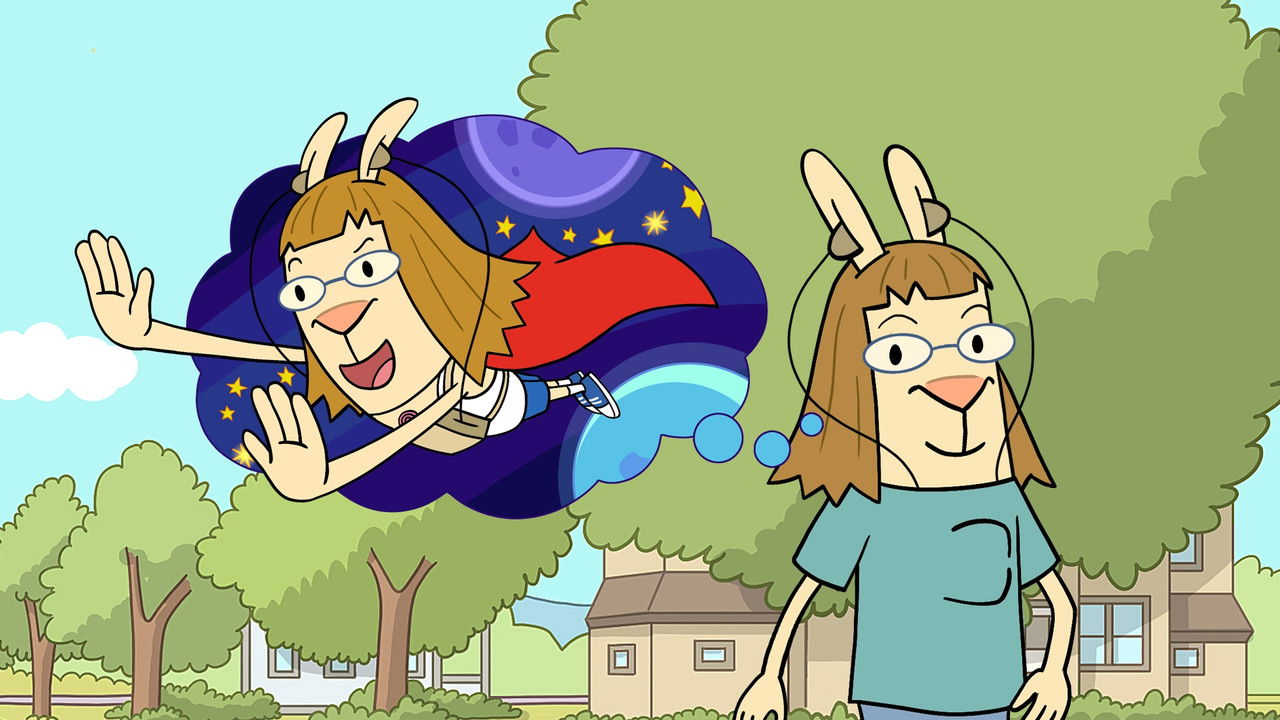
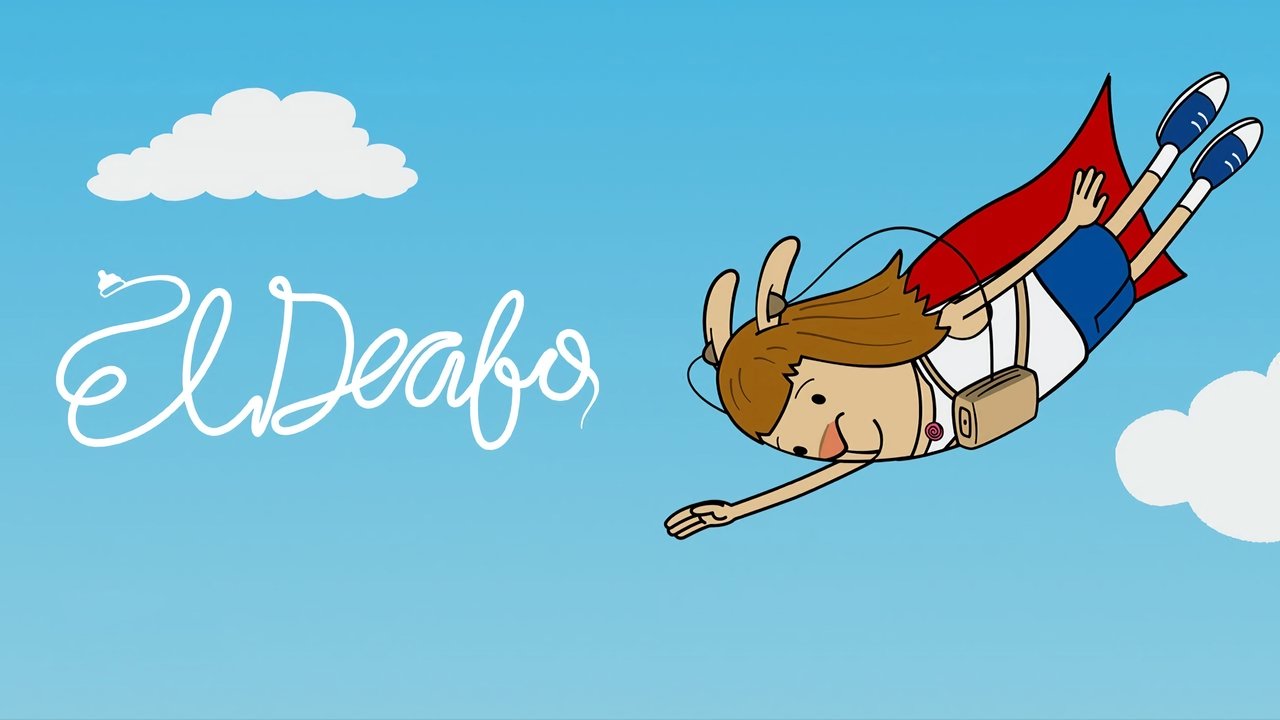
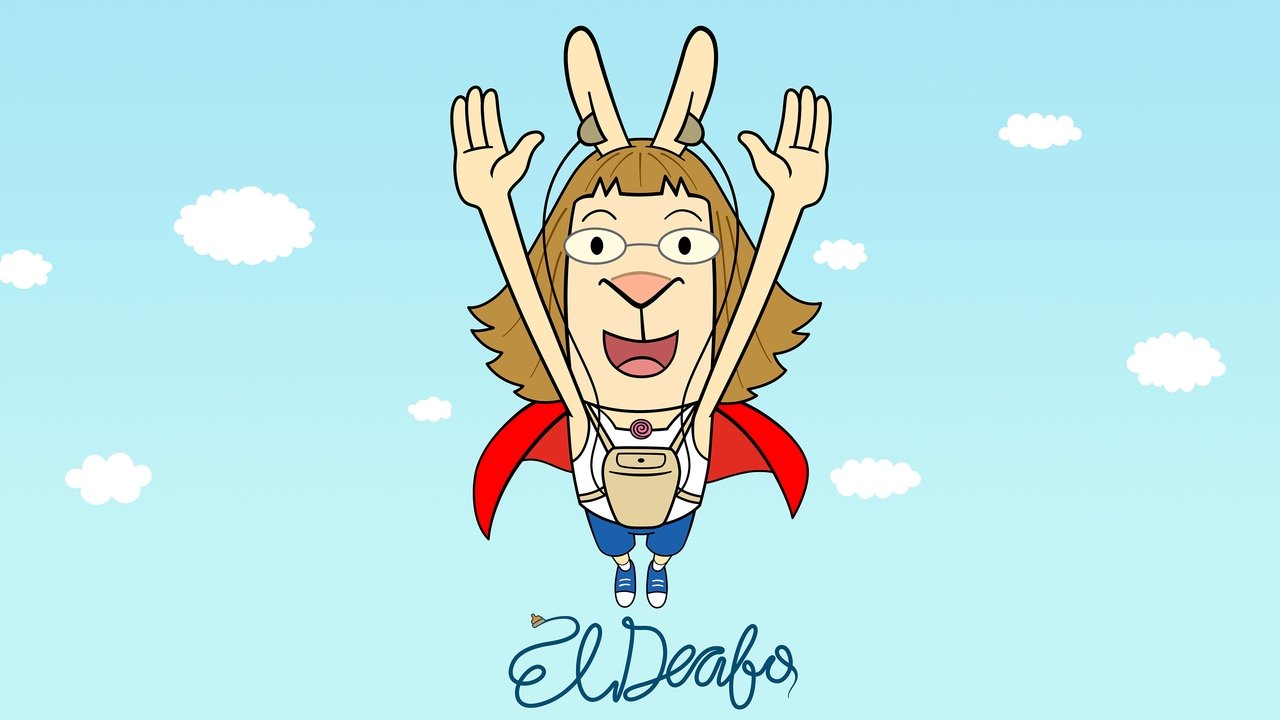
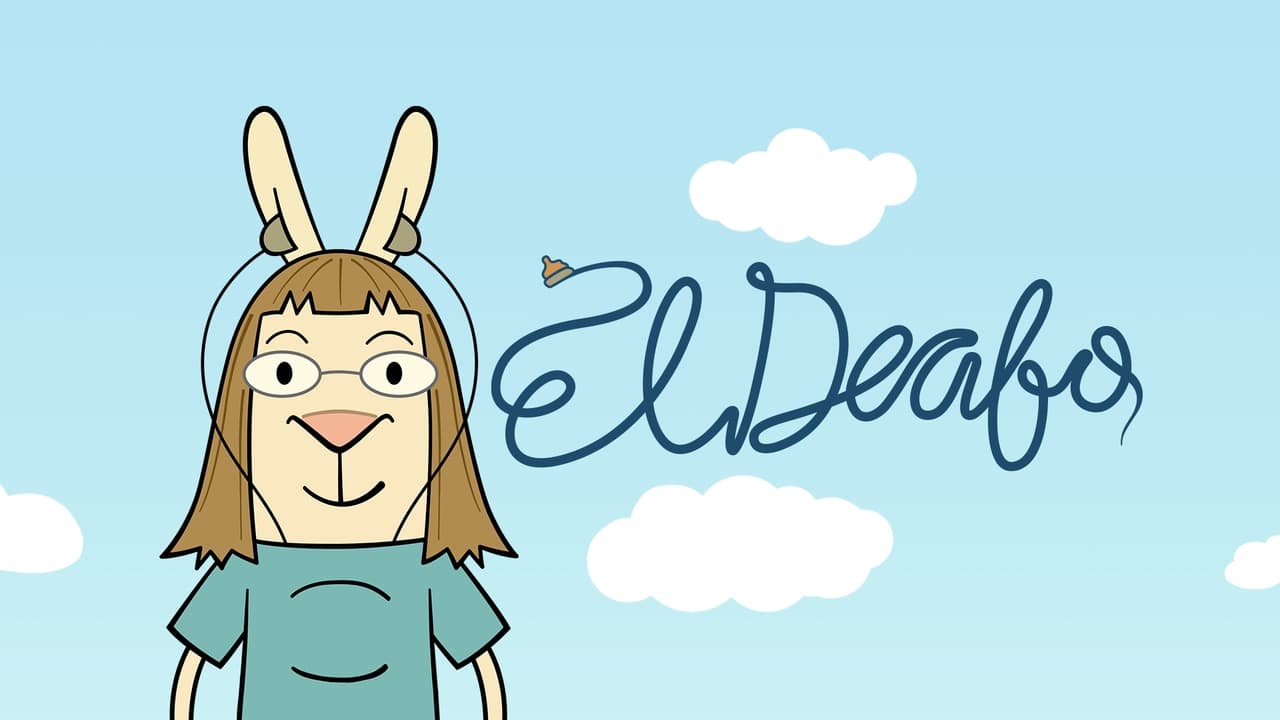
It’s a rare case where the adaptation holds its own against the source material. While the original graphic novel is a must-read, the show uses animation to lean into the "El Deafo" superhero sequences in a way that feels more dynamic. The rabbit character designs, a choice the author made to represent how she felt like the only one with "big ears" (hearing aids), look great in motion. It keeps the heavy themes from feeling too weighed down by reality.
The Apple TV+ factor
If you’re already paying for the service, this is a top-tier reason to keep it. Apple has been building a library of what we call "slow media"—shows that don't rely on frantic cuts or screaming influencers to keep a kid’s attention. It fits perfectly into the Apple TV+ prestige strategy, offering high production value and stories that actually have a soul. It’s the kind of show you can leave on without worrying about the "brain rot" effect of more chaotic streaming platforms.
Social friction that sticks
The show doesn't shy away from the fact that kids can be clueless. The "mean girl" moments aren't mustache-twirling villainy; they’re the realistic, awkward, and sometimes well-meaning slights that actually happen in a cafeteria. Watching Cece navigate a friend who talks too loud or treats her like a "project" is great fodder for a post-show chat. It’s a reminder that being a good friend usually involves less "helping" and more just listening.
If they liked "Smile" or "New Kid"
If your house is full of Raina Telgemeier or Jerry Craft books, this show is the natural next step. It shares that same DNA of middle-school cringe and personal growth. It’s not a show about a "disability"; it’s a show about a kid who happens to be deaf. That distinction is why it works. It doesn't feel like a health class video from 1994. It feels like a real life, just with more capes and rabbit ears.