The Oz "Kiddie Pool"
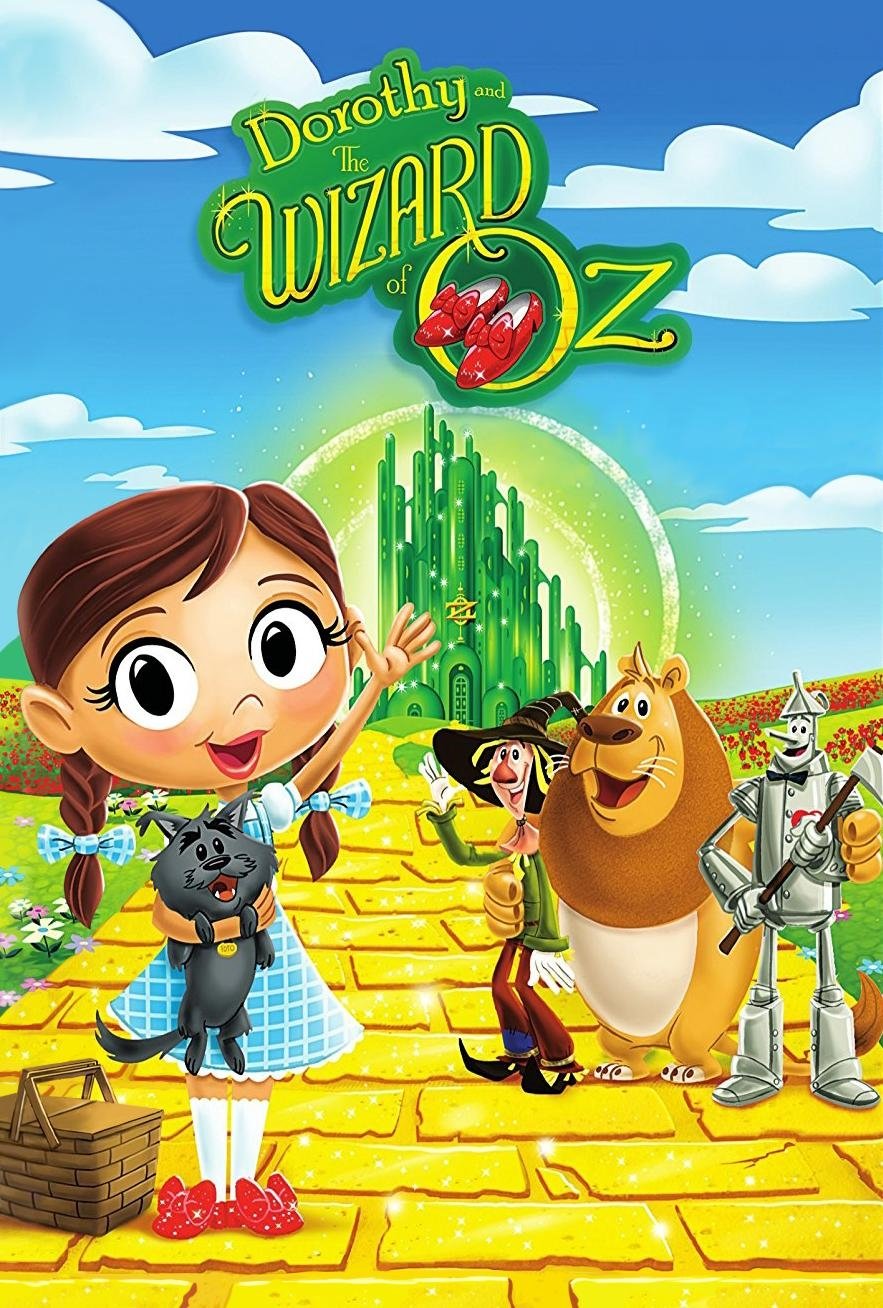
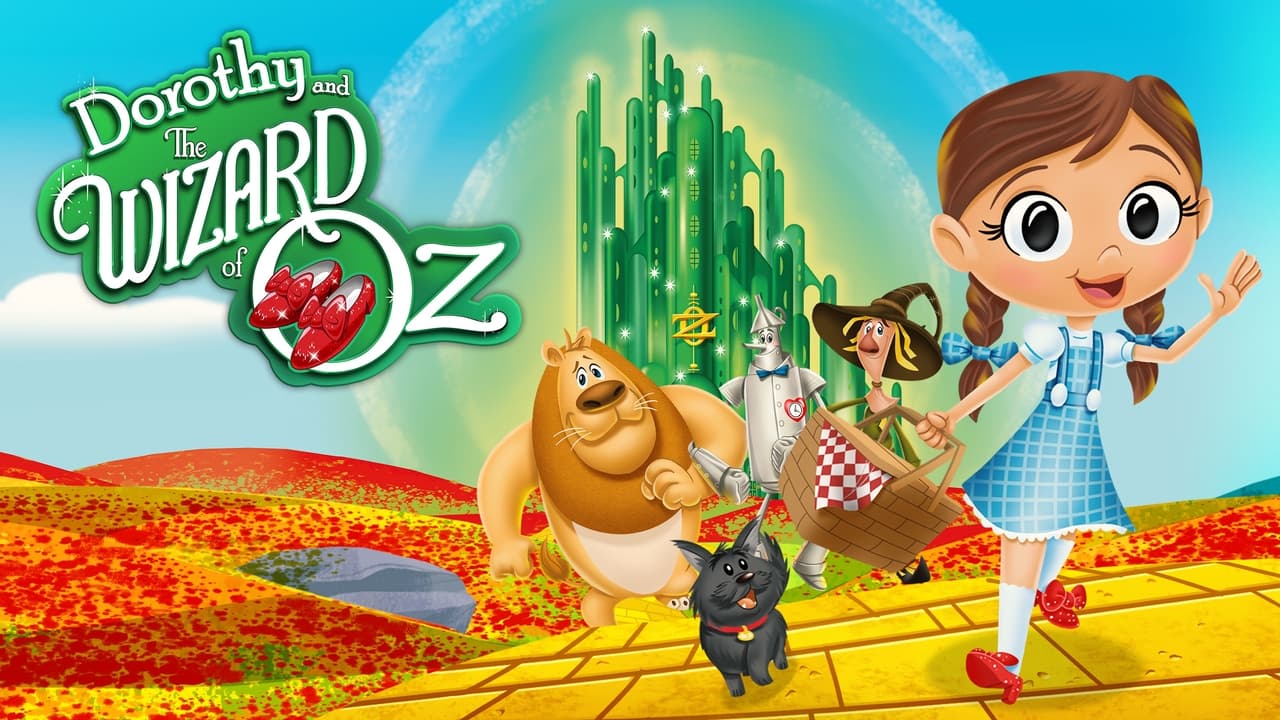
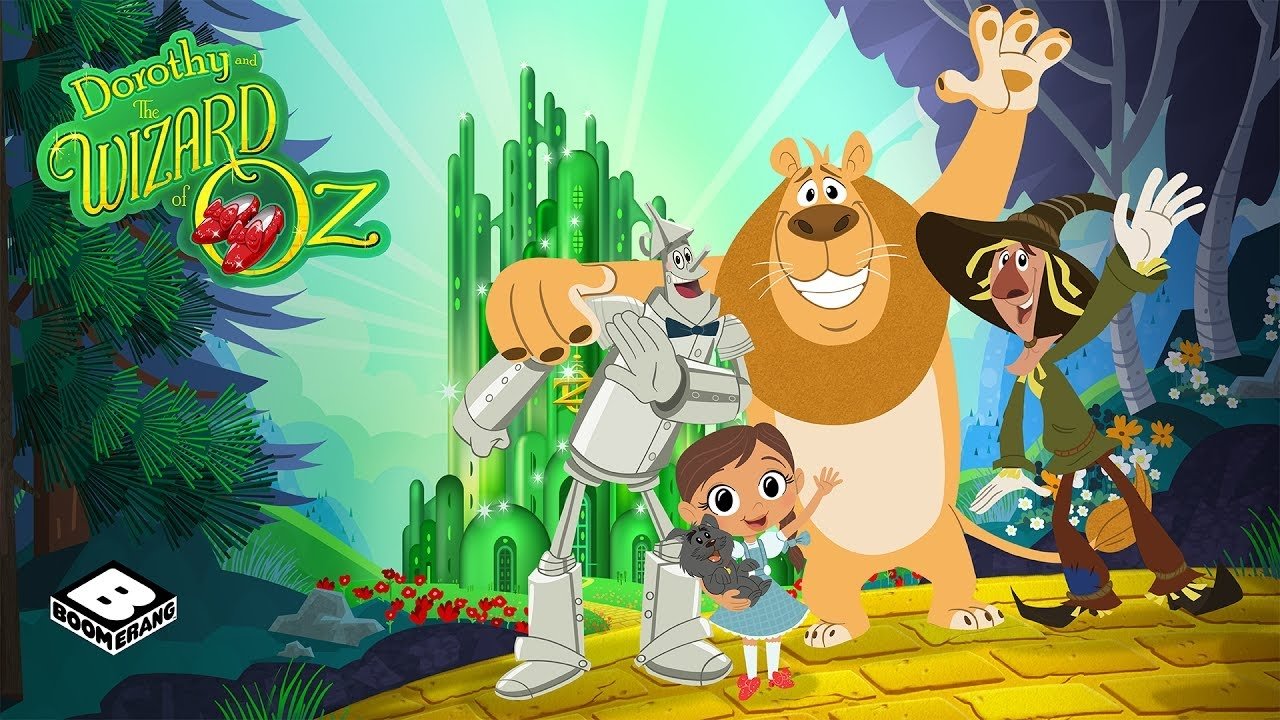
If you’ve ever tried to show a four-year-old the 1939 classic and realized about ten minutes in that the flying monkeys are going to cause a week of night terrors, you understand why this show exists. It functions as a sanitized, low-stakes entry point to the lore. It takes the iconography—the slippers, the road, the companions—and strips away the menace.
The result is a show that feels more like a standard Saturday morning cartoon than a grand fantasy epic. While critics and fans of the original L. Frank Baum books often find it "boring" or "repetitive," that predictability is actually a feature for the preschool set. They aren't looking for subverted tropes; they want to see the Lion be brave and the Tin Man be helpful for the twentieth time in a row.
Where the gears grind
The biggest friction point here is the pacing. If you are in the room while this is on, you will notice the formulaic structure almost immediately. Every episode follows a very specific rhythm that can feel grating if you’re used to the more sophisticated storytelling of modern Pixar or Disney+ series.
The IMDb score of 6.1 is a fair reflection of its "middle-of-the-road" energy. It isn't offensive or poorly made; it just lacks the spark that makes a show worth a rewatch. The characters are flattened out—Dorothy is perpetually patient, and the villains are more "pesky" than "wicked." If your child is already a fan of high-energy, narrative-heavy shows, they will likely bounce off this within two episodes.
The Oz trajectory
Think of this series as a bridge. It’s a way to get kids familiar with the cast before you move them up to the "real" stuff. Because the show focuses heavily on Dorothy as a problem-solver, it sets a good foundation for when they eventually encounter the more complex themes in our Beyond the Yellow Brick Road: A Parent's Guide to Oz and Wicked.
If your kid is obsessed with the world but has outgrown the repetitive plots of this 2017 version, it’s usually a sign they are ready for the original books or the classic film. Use this show to build the recognition, then move on once they start asking for stories with a bit more "meat" on the bones. It’s a functional tool for your media kit, but it’s definitely not the main event.