The "Actual Play" that actually moves
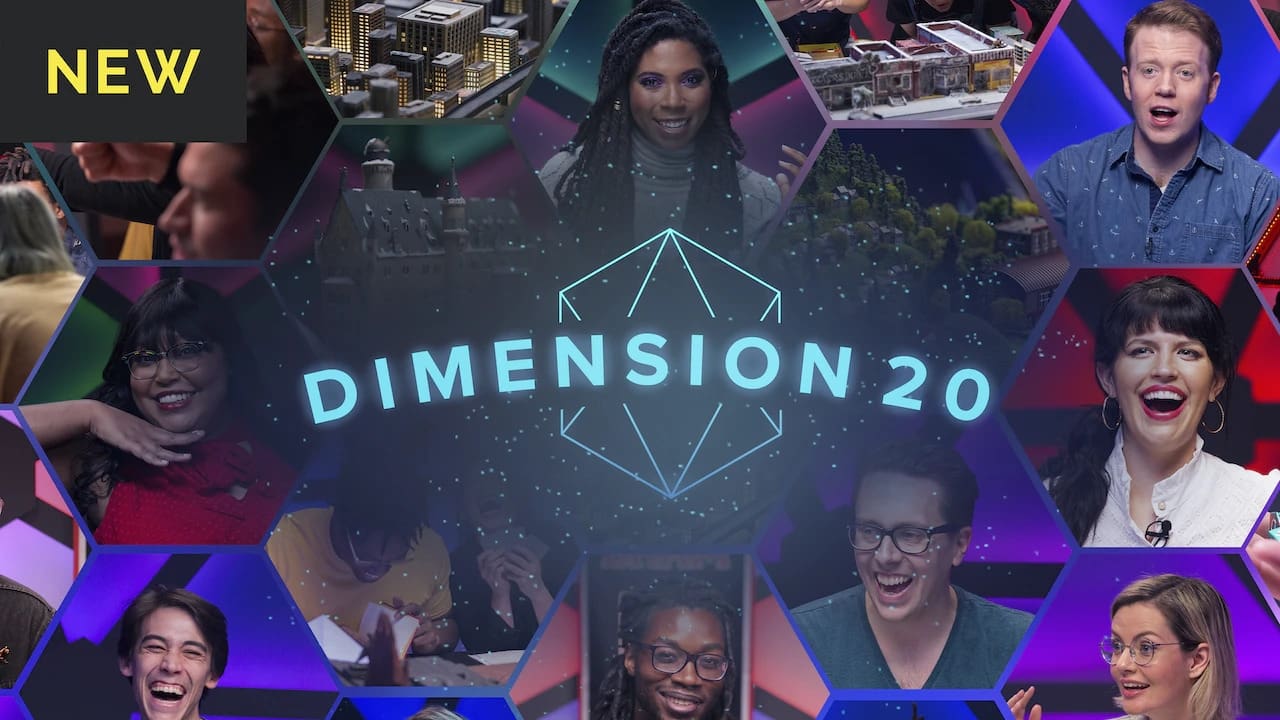
If you’ve ever tried to watch a live Dungeons & Dragons stream, you know the struggle. Most of them are four-hour marathons where players spend forty minutes arguing about the price of a rope. Dimension 20 fixed this by treating the game like a prestige television show. It’s edited for pace, the production value is through the roof, and the cast consists of professional comedians who understand that "dead air" is the enemy.
The result is something that feels less like a hobbyist's basement session and more like a high-stakes improv show with a massive budget. This is the gold standard for the genre. If your kid is interested in storytelling or game design, this is the most polished example of what those things look like when firing on all cylinders.
Why Brennan Lee Mulligan matters
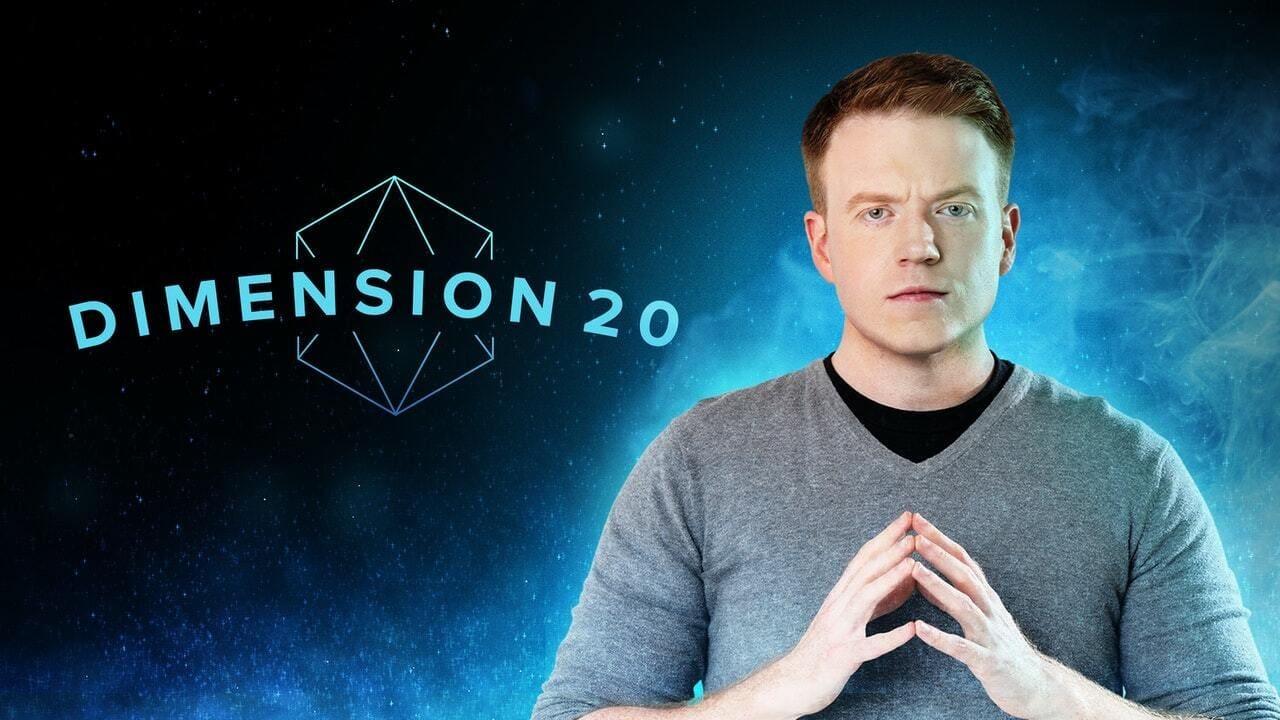
The heart of the show is Game Master Brennan Lee Mulligan. He is widely considered one of the best storytellers in the world for a reason. He doesn't just describe a room; he builds complex political systems, creates heartbreakingly relatable NPCs, and then lets the players try to break everything.
His style is "Yes, and" taken to its logical extreme. When players make a wild, game-breaking choice, he doesn't shut them down. He pivots. For a teenager, watching this is a masterclass in creative problem-solving and collaboration. It shows that the most interesting thing in a game isn't winning—it's how you handle the failure.
The "Game of Thrones" pivot
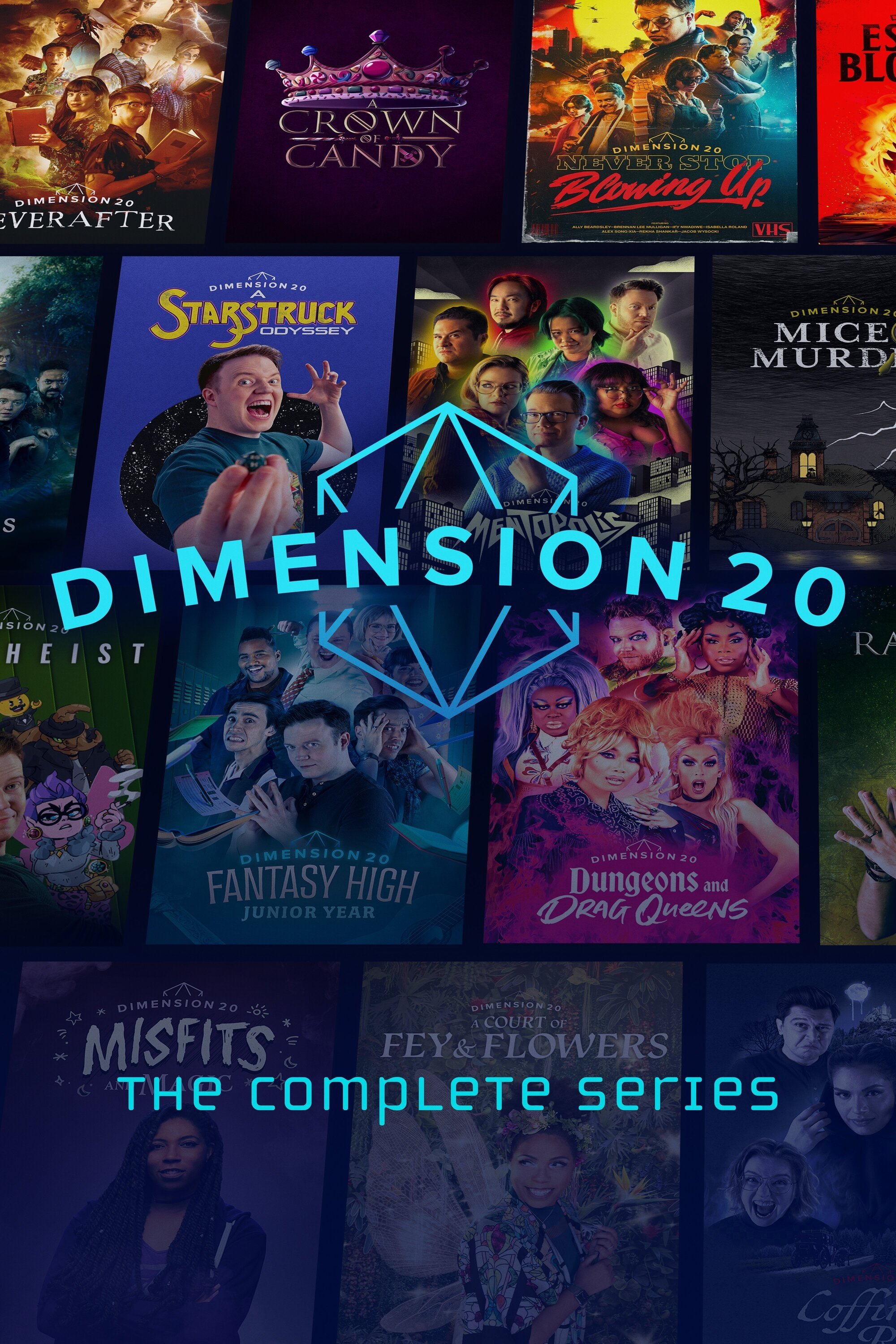
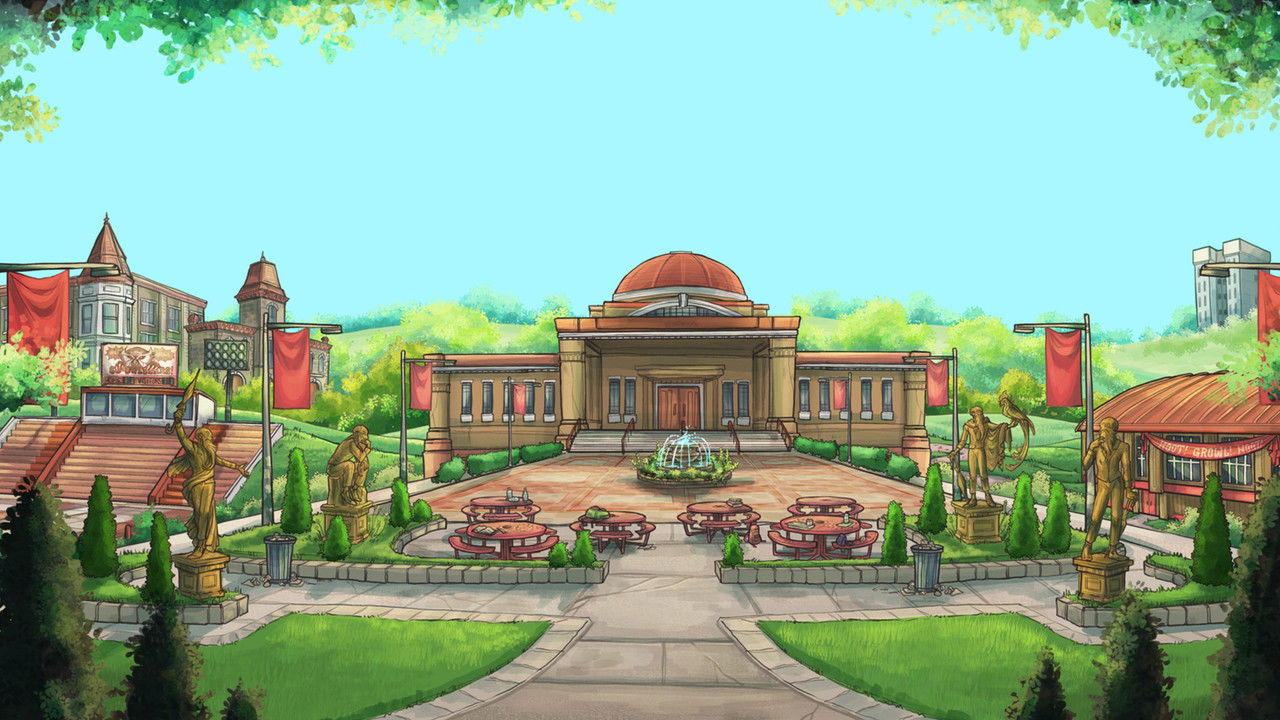
While the first season, Fantasy High, is a John Hughes-inspired romp through a magical high school, the show isn't afraid to get dark. A Crown of Candy, for instance, is essentially Game of Thrones played with characters made of food. It sounds ridiculous, but it is genuinely stressful. Characters die permanently. Betrayals hurt.
This emotional weight is why the show has a 9.3 on IMDb. It’s not just a comedy; it’s a narrative that takes its world seriously. If your teen is watching the later seasons, be prepared for them to be legitimately devastated by the fate of a sentient peppermint or a gummy bear. The show has expanded significantly since its 2018 debut, even bringing in guest stars and new performers. For a look at how the show continues to evolve with new talent, check out our Vic Michaelis and Dimension 20: The "Gladlands" Guide for Parents to see how the newer seasons handle different genres.
The language barrier
Let's be blunt: the cast swears. A lot. This isn't the sanitized, "family-friendly" version of gaming you might find on some YouTube channels. It’s a group of adult comedians in Los Angeles hanging out. The humor is sophisticated, often cynical, and frequently raunchy.
If you have a strict "no F-bombs" rule in your house, this show will be a problem. But if you’re okay with the vocabulary, the actual themes of the show are surprisingly wholesome. It’s a show about friendship, standing up to corrupt systems, and being incredibly kind to your teammates. The "Safe" score might be lower due to the language, but the "Enriching" score is high because the core of the show is about empathy and collective imagination.
If they liked "Critical Role"
If your kid is coming from Critical Role, they might find the shorter, seasonal format of Dimension 20 jarring at first. Where other shows are a slow burn, this is a sprint. Each season is a self-contained story with a specific "gimmick" or setting. This makes it much easier to jump into than a show with 100-episode backlogs. It’s the perfect "gateway drug" for the tabletop RPG world because it proves that these games can be fast, funny, and visually spectacular.