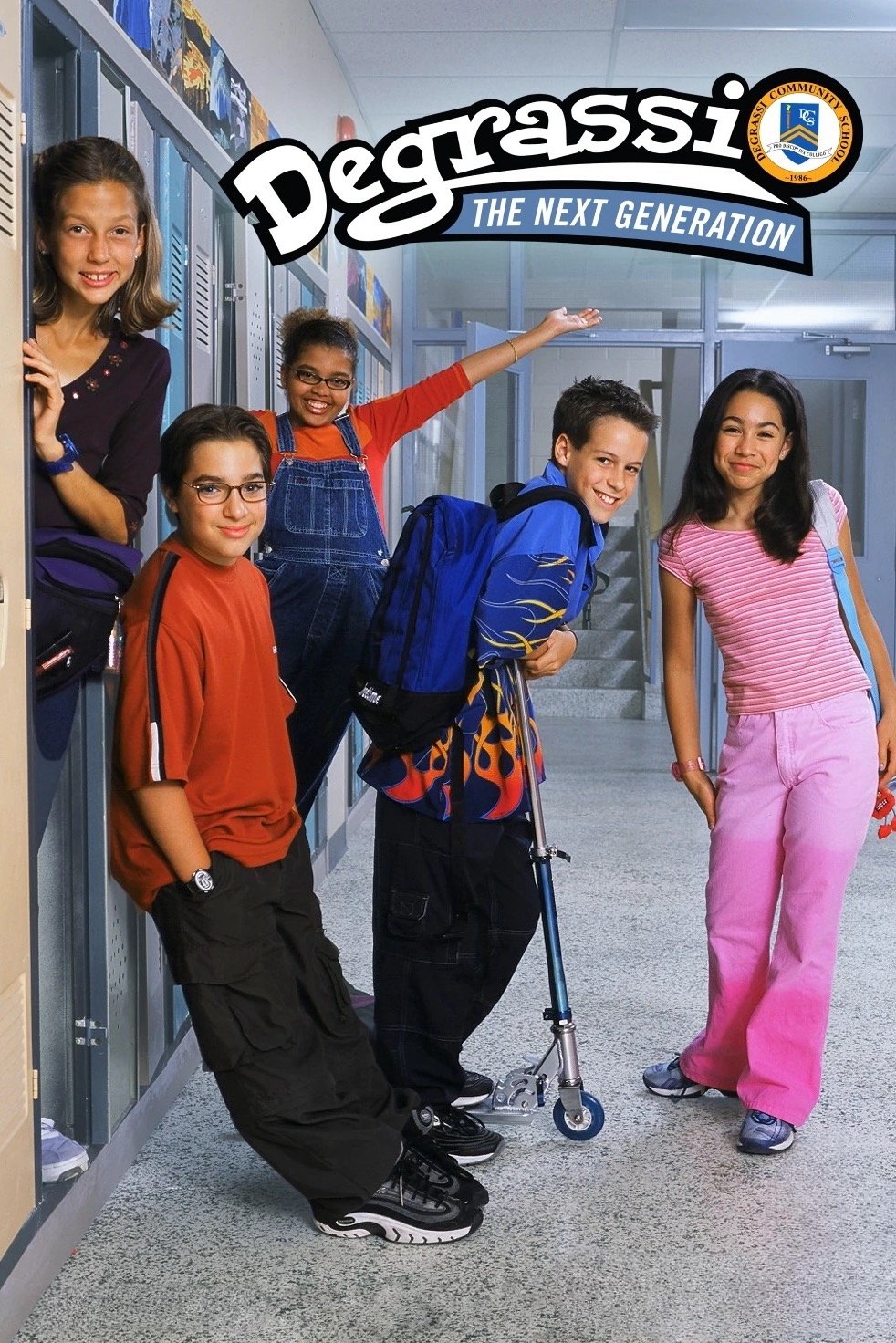
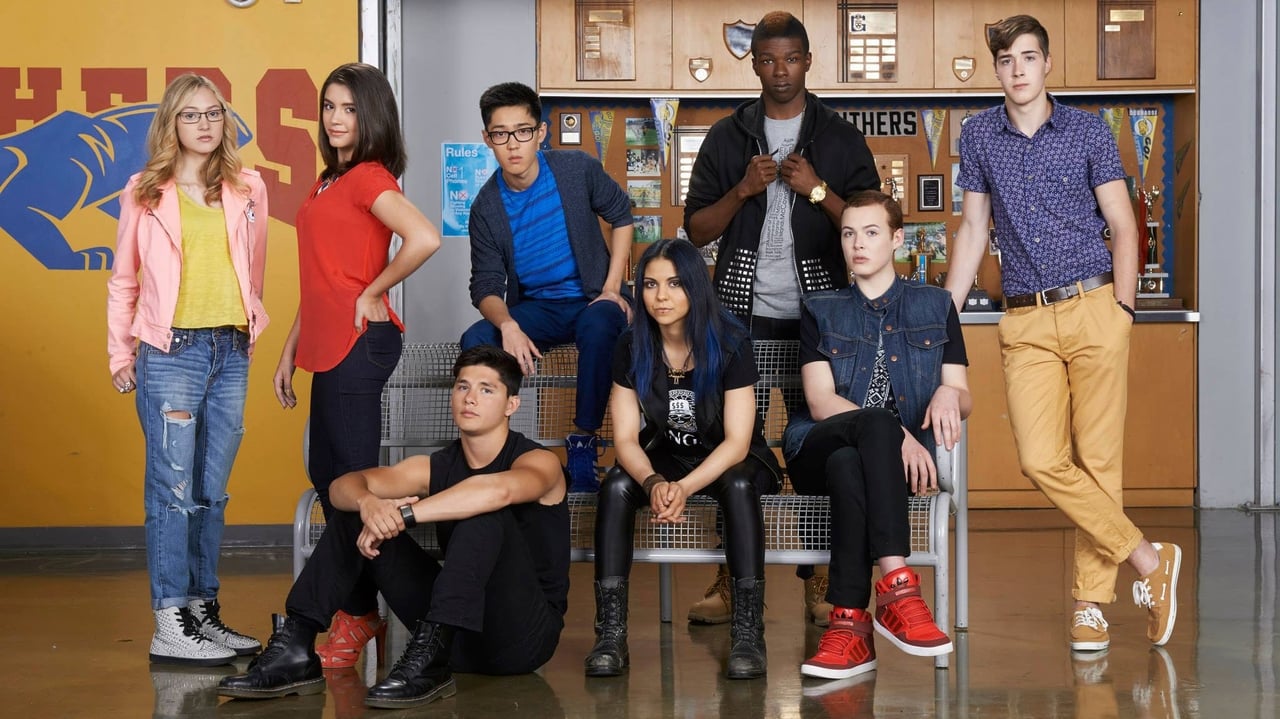
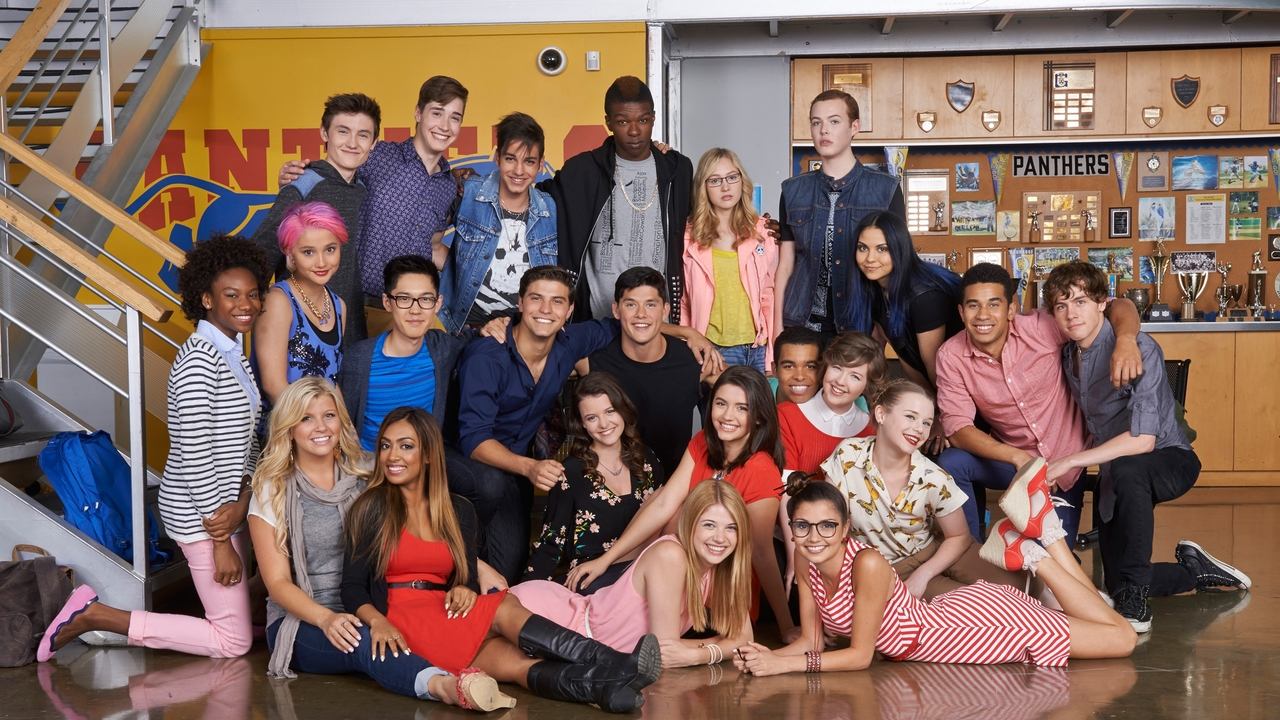
If you’re used to the hyper-stylized, neon-drenched misery of modern teen dramas, Degrassi: The Next Generation is going to feel like a revelation. It isn't trying to be cool. In fact, it’s often aggressively uncool. While today's shows focus on the aesthetic of being a teenager, this series focuses on the mess. It’s the difference between a curated Instagram feed and the blurry, red-eyed photos you actually took in the hallway between classes.
The "Anti-Euphoria"
Most teen shows today feel like they were written by people who have never actually met a fourteen-year-old. Degrassi is different because it treats small-scale drama with the same gravity as the life-altering stuff. An episode about someone being embarrassed by their period is treated with just as much emotional honesty as an episode about a major health crisis.
This groundedness is why it works. When the show eventually hits those "heavy" milestones—like the storylines in The Boiling Point—the impact is earned. You’ve spent seasons watching these kids fail math tests and have awkward first dates, so when real tragedy strikes, it doesn't feel like a "Very Special Episode" gimmick. It feels like it’s happening to a friend.
The Soap Opera Engine
Critics often point to the "soap opera" format as a downside, but for a teenager, that’s the hook. The show is designed to be binged. Characters don't just disappear after a dramatic arc; they stick around for years. You watch them grow from awkward middle schoolers into actual adults.
This long-form storytelling is a great way to talk about consequences. In a typical sitcom, a kid gets caught drinking and is grounded for twenty minutes before the credits roll. In Degrassi, a bad decision in season three might still be affecting a character's reputation or mental health in season seven. It respects the audience enough to show that life is a series of compounding choices, not a collection of thirty-minute segments.
Beyond the Hallway
The show also served as a massive talent incubator. Long before she was dodging supernatural threats, a young Nina Dobrev was navigating the halls of Degrassi Community School. If your teen is a fan of her later work, checking out our Parent's Guide to Nina Dobrev can help you decide which of her more mature projects are worth the watch after they finish this 14-season marathon.
How to Handle the "Dated" Factor
Your kid is going to laugh at the technology. They will clown the fashion. They will wonder why everyone is carrying a bulky binder and using a flip phone. Let them. The "dated" nature of the early seasons actually acts as a weirdly effective buffer. Because the world looks so different from 2026, the heavy themes feel a little less "scary" and a little more like a history lesson on the human experience.
If they find the early seasons too slow, don't be afraid to let them jump around. While the show is better as a linear journey, the "Next Generation" era is sturdy enough that they can pick up the vibe almost anywhere. Just be ready for the fact that once they get sucked into the drama at Degrassi Community School, they’re probably going to want to see it through to the end.