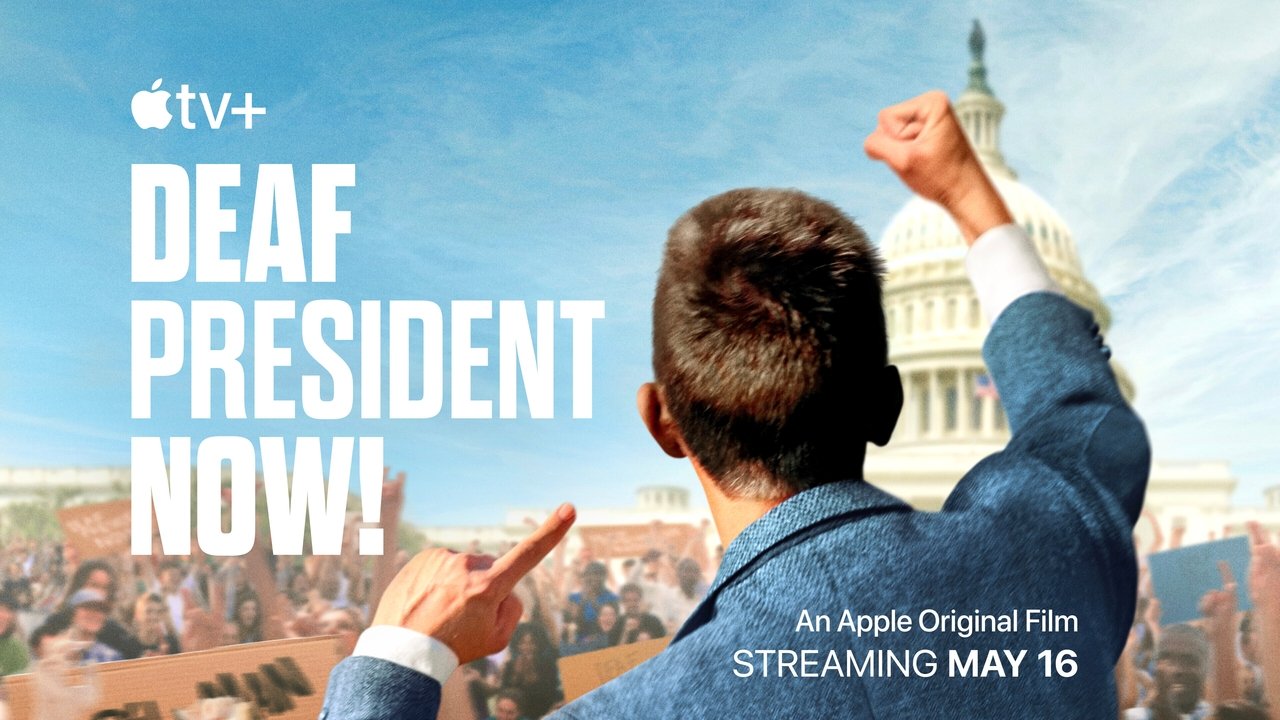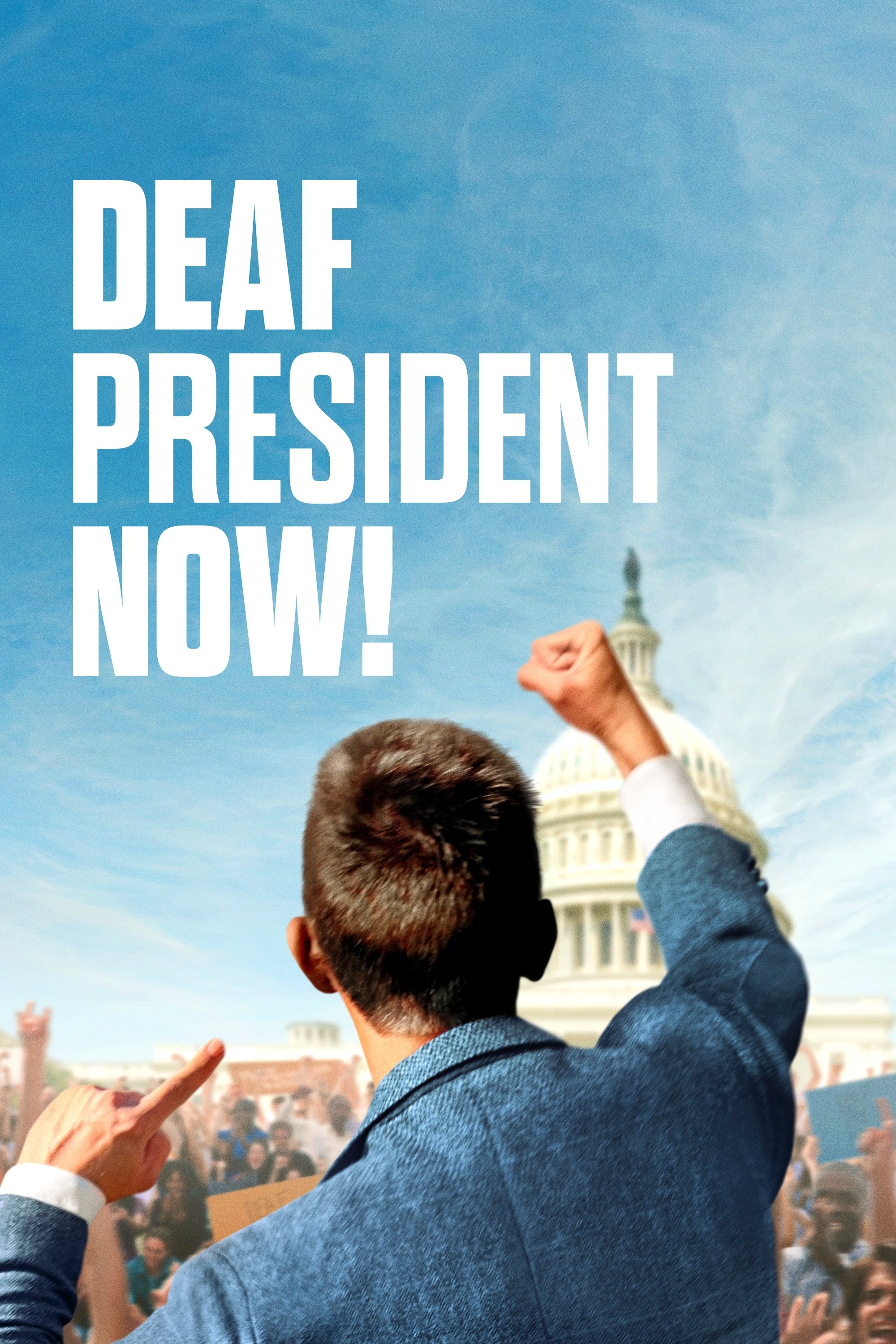
Deaf President Now!

Deaf President Now!

movie

R, 2025

WISE
86%

WISE Score

8

IMDb

The inspiring, under-told story of Deaf students who shut down their university in 1988—and changed disability rights forever.

IMDb8
MC82
Common Sense Media
Where to Watch
Loading streaming options...
Screenwise Verdict

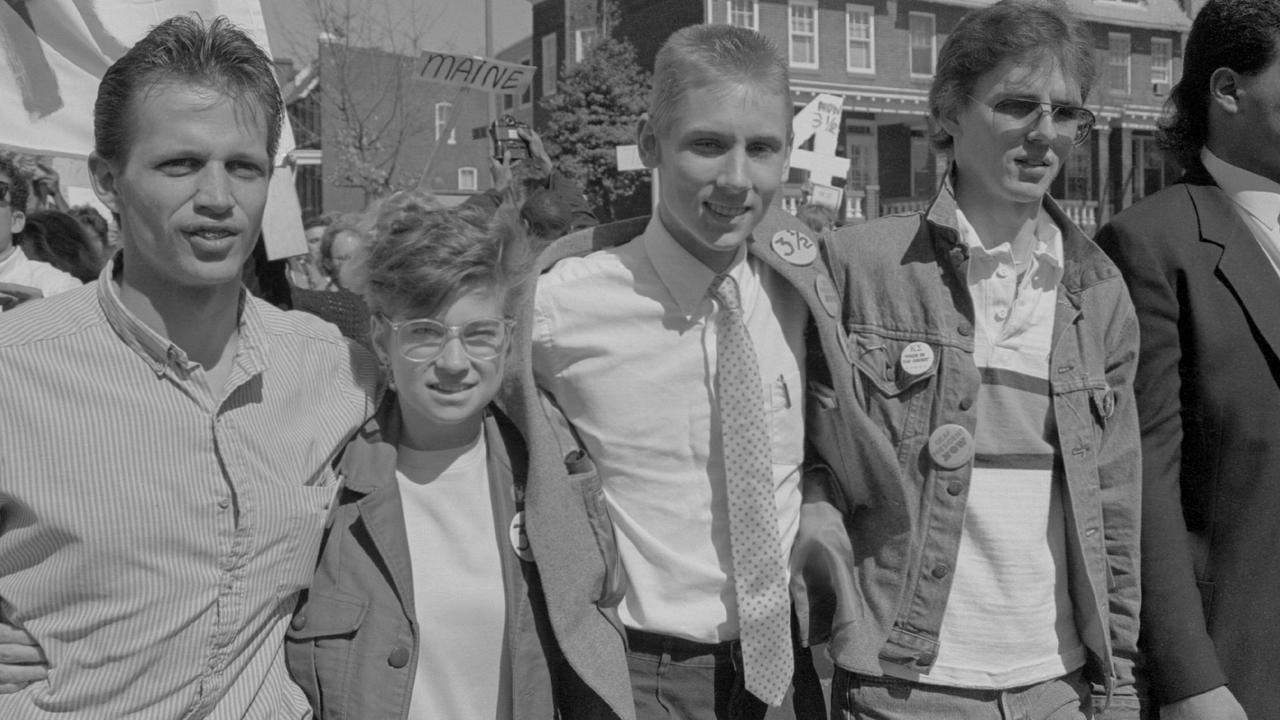
This is the kind of documentary that should be shown in every U.S. history class—and probably isn't. The 1988 Gallaudet protest is a legitimately important moment in disability rights history, and DiMarco and Guggenheim tell it with the urgency and heart it deserves.

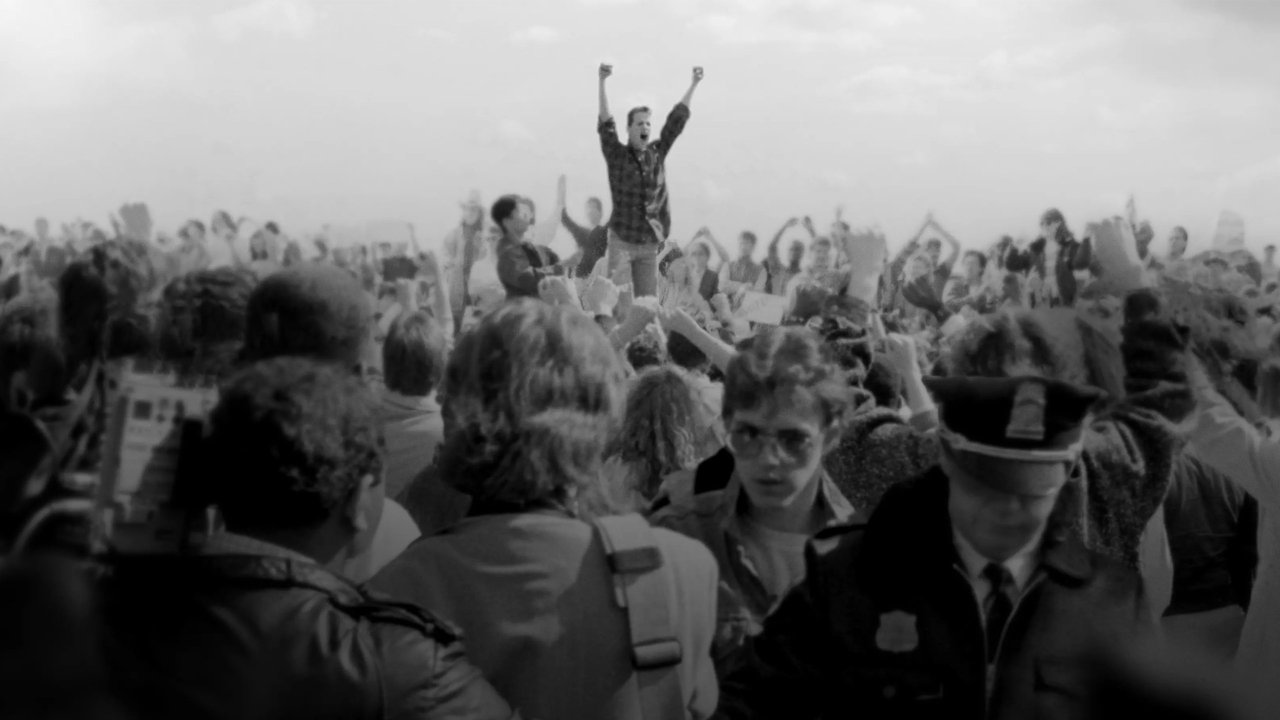
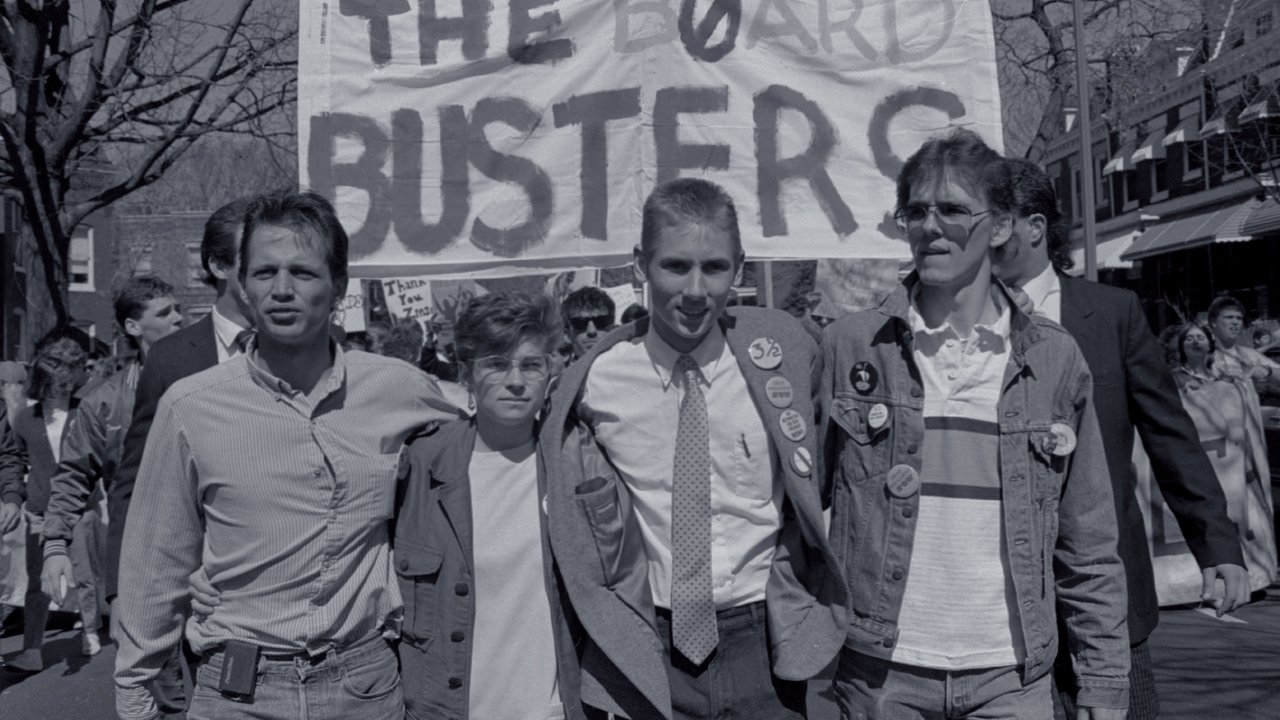
The film works because it's not just inspirational—it's strategic. You see how the students organized, how they built momentum, and how eight days of protest led to the appointment of the university's first Deaf president and, eventually, the ADA. For kids learning about activism, this is a masterclass.

Common Sense Media's age recommendation is a bit all over the place (they say 17 but their review suggests 12+), and honestly, mature middle schoolers can handle this. The 'violent protest imagery' is real but not graphic—think sit-ins and rallies, not bloodshed. The bigger challenge is the emotional weight of watching people fight for basic representation.

If you're looking for a family documentary that's both educational and genuinely moving, this is it. Just be ready to talk about why this story matters—and why it's taken so long to tell.

Age Fit

Best for middle schoolers (12+) through adults. The protest imagery and themes of systemic discrimination require some maturity, but it's an accessible, inspiring watch for anyone studying civil rights, disability justice, or U.S. history. High schoolers studying social movements will get the most out of it.

WISE Breakdown
Wholesome
88

Documentary showcases inspiring student activism, models courage and collective action, and celebrates a historic civil rights victory. Depicts real protest confrontations and emotional intensity but maintains an uplifting, empowering tone throughout. No gratuitous content—just the honest weight of fighting systemic discrimination.

Imaginative
72

While documentaries aren't typically 'imaginative' in the creative sense, this film invites viewers to think critically about disability rights, activism strategies, and how marginalized communities organize for change. Strong directors (Nyle DiMarco and Davis Guggenheim) bring compelling storytelling to a lesser-known historical moment. Not a creativity-sparking piece, but intellectually engaging.

Safe
75

Contains 'violent protest imagery' including real rallies, sit-ins, and confrontations from the 1988 demonstrations. No gore, sex, or graphic content, but the emotional intensity and depiction of systemic discrimination could be heavy for younger viewers. Common Sense Media flags it for ages 12+ due to protest scenes. Overall safe for mature middle schoolers and up who can handle civil rights history.

Enriching
94

Exceptional educational value. Chronicles a pivotal but under-taught civil rights movement that directly led to the Americans with Disabilities Act. Teaches advocacy, disability rights, Deaf culture, and the power of organized protest. Critics call it 'heartening as much as it informs.' Perfect for social studies, history lessons, and conversations about representation and systemic change. High ratings across the board (IMDb 8.0, Metacritic 82, Letterboxd 4.1) confirm its impact.

Parent Info

Why It Might Be Great

  • Chronicles a genuinely pivotal civil rights moment most people have never heard about—the 1988 Gallaudet protest that led to the ADA
  • Directed by Nyle DiMarco (Deaf activist and DWTS winner) and Davis Guggenheim (An Inconvenient Truth), bringing both lived experience and documentary mastery
  • Strong ratings across the board (IMDb 8.0, Metacritic 82) confirm it's compelling viewing, not just eat-your-vegetables history
  • Perfect conversation starter about activism, disability representation, and how real change happens—especially relevant in today's social justice climate
  • Celebrates student leadership and collective power in a way that feels genuinely inspiring rather than preachy

What to Watch For

  • Real protest footage includes confrontational scenes, sit-ins, and the emotional weight of fighting systemic discrimination—Common Sense Media recommends 12+ (though they list 17, their review suggests 12+)
  • May spark big questions about ableism, representation, and why this story isn't better known—be ready for those conversations
  • At 99 minutes, it's a full-length documentary that requires attention span and engagement with historical content

Conversation Starters

  • "Why do you think the board chose a hearing president for a Deaf university? What does that say about who gets to lead?"
  • "The students organized rallies, boycotts, and sit-ins—what do you think makes a protest effective?"
  • "This protest helped lead to the Americans with Disabilities Act. What other laws or changes have come from people speaking up?"
  • "How do you think the Deaf community's fight for representation connects to other civil rights movements you've learned about?"
Stills
Deaf President Now! — still 1
Deaf President Now! — still 2
Deaf President Now! — still 3
Deaf President Now! — still 4
Deaf President Now! — still 5
Deaf President Now! — still 6
Deaf President Now! — still 7
Deaf President Now! — still 8

Ask Anything

Get a personalized guide on any topic