The Rachel Weisz power hour
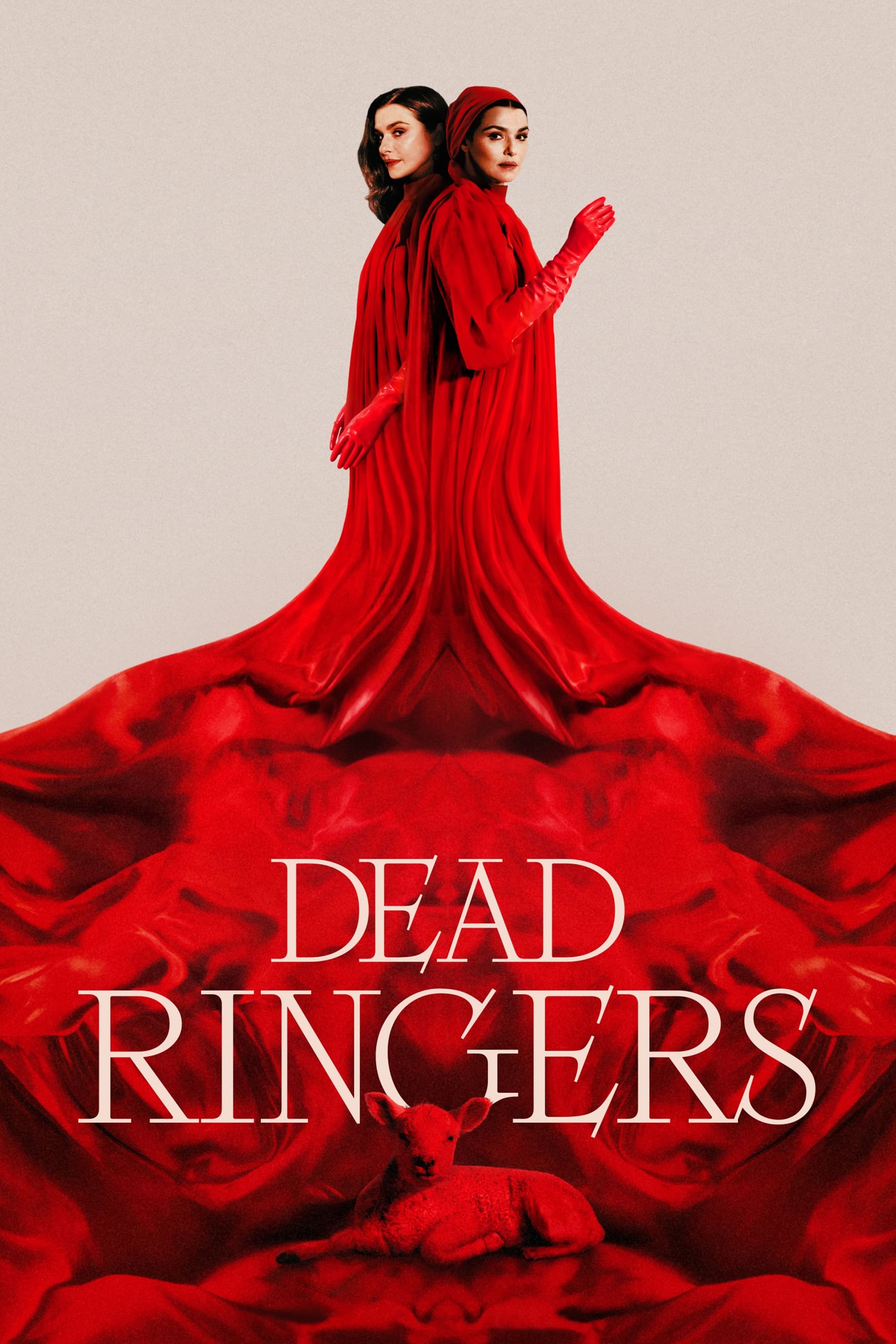
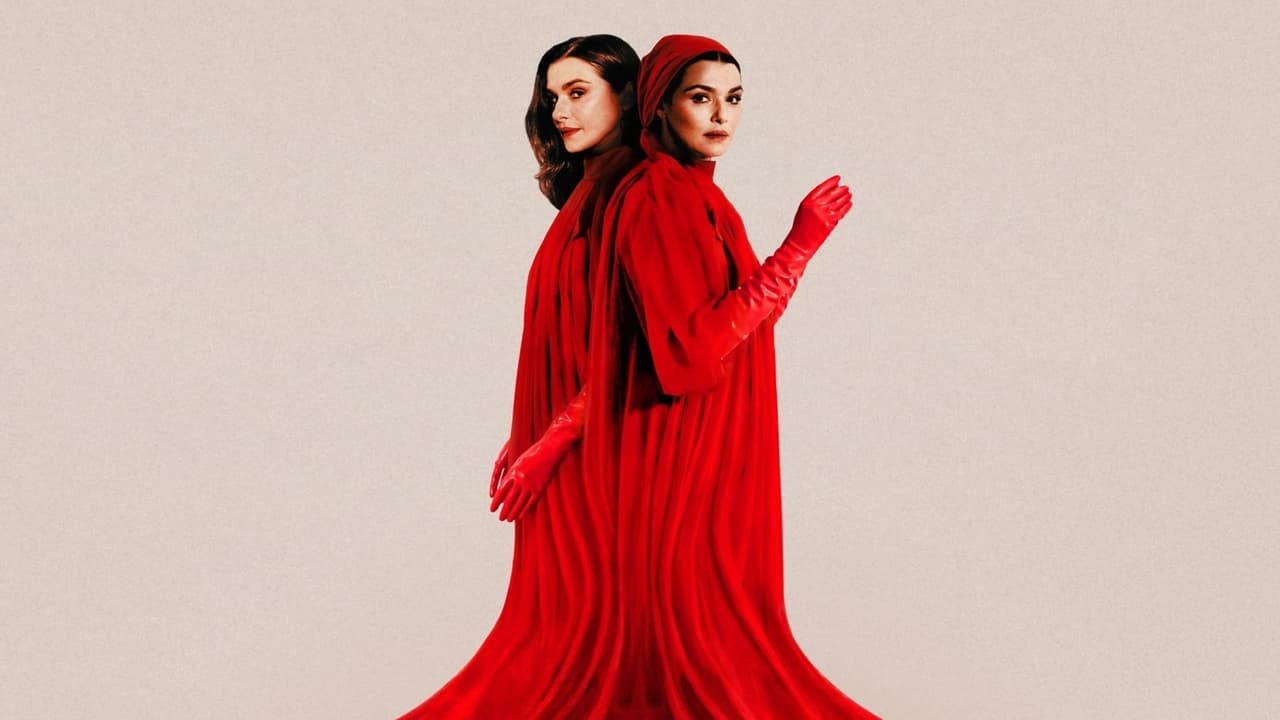
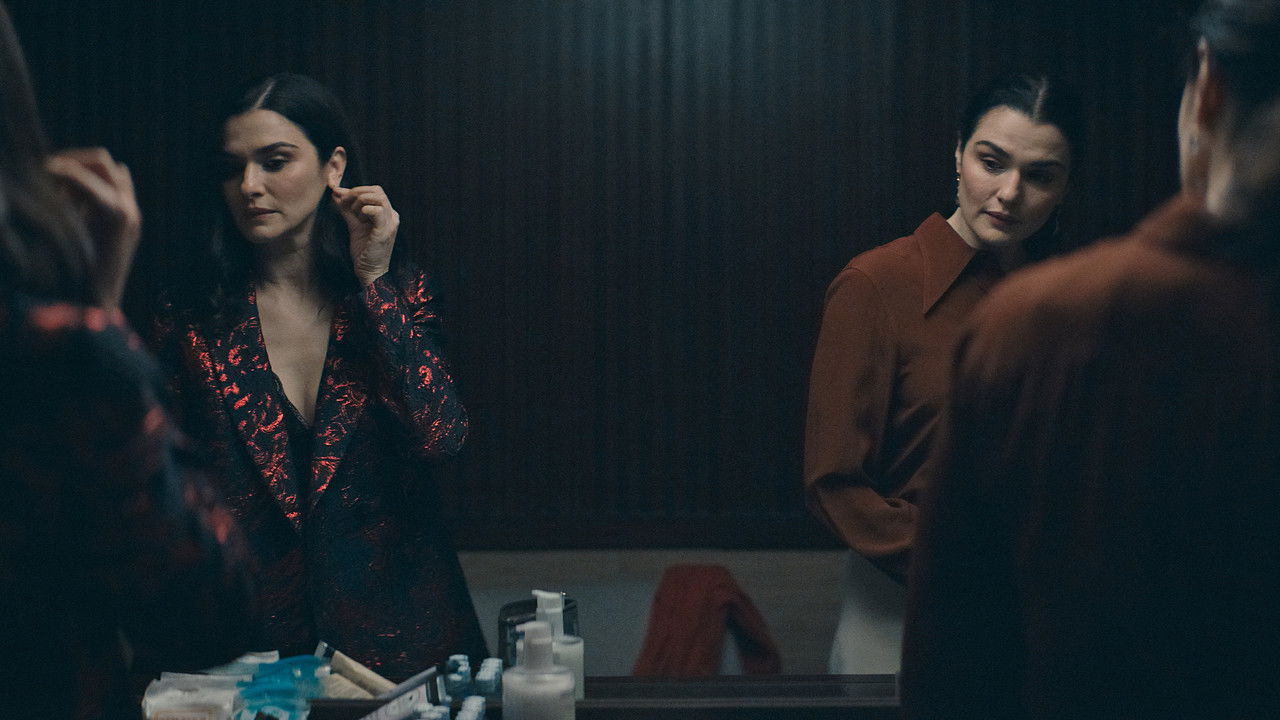
This isn't a show you put on in the background while folding laundry. It demands your full attention, mostly because Rachel Weisz is doing double duty in a way that feels like a magic trick. She plays both twins—Elliot and Beverly—with such distinct physicalities that you’ll forget it’s the same actress within five minutes. If you’ve mostly seen her in blockbuster roles, check out our guide on Rachel Weisz to see how her career has pivoted into this kind of provocative, high-stakes territory. She isn't just playing "the good twin" and "the evil twin" here; she’s playing two versions of a brilliant disaster.
Why the audience score is a bit "meh"
You’ll notice a gap between the critics (85%) and the audience (65%). That 20-point dip usually happens when a show is technically perfect but emotionally repulsive. Critics love the lighting, the subtext, and the "stylistic tour de force" mentioned in reviews. Audiences, however, tend to struggle with the fact that there is nobody to root for. Every character in this world is some flavor of "despicable." It’s a psychological thriller that leans heavily into medical horror, and it doesn't offer the warm, fuzzy resolution of a typical drama. If you need a hero to guide you through the gore, you won't find one here.
This is not Grey’s Anatomy
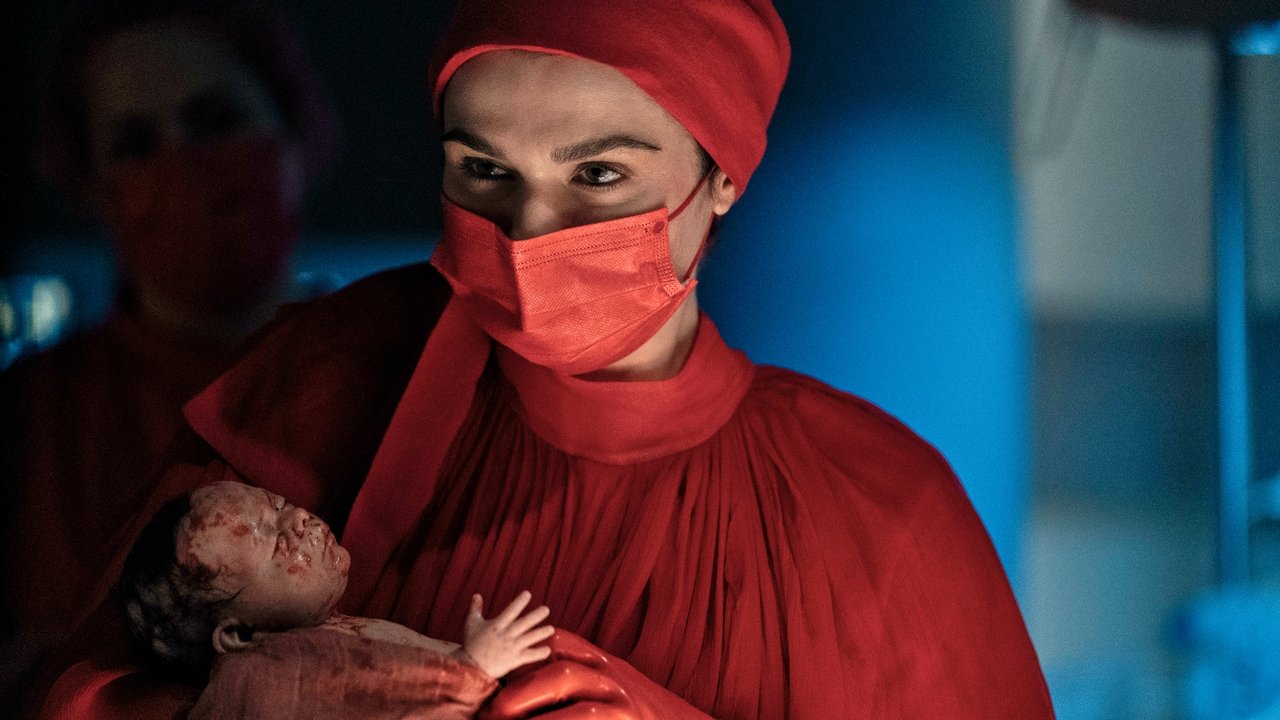
If you’re a parent thinking this might be a gritty version of a standard hospital show, pivot now. This is a reimagining of a classic David Cronenberg film, and it keeps that "body horror" DNA intact. The show is obsessed with the visceral reality of childbirth and surgery. It uses blood and medical procedures not just for shock value, but to make a point about how the healthcare system treats women’s bodies.
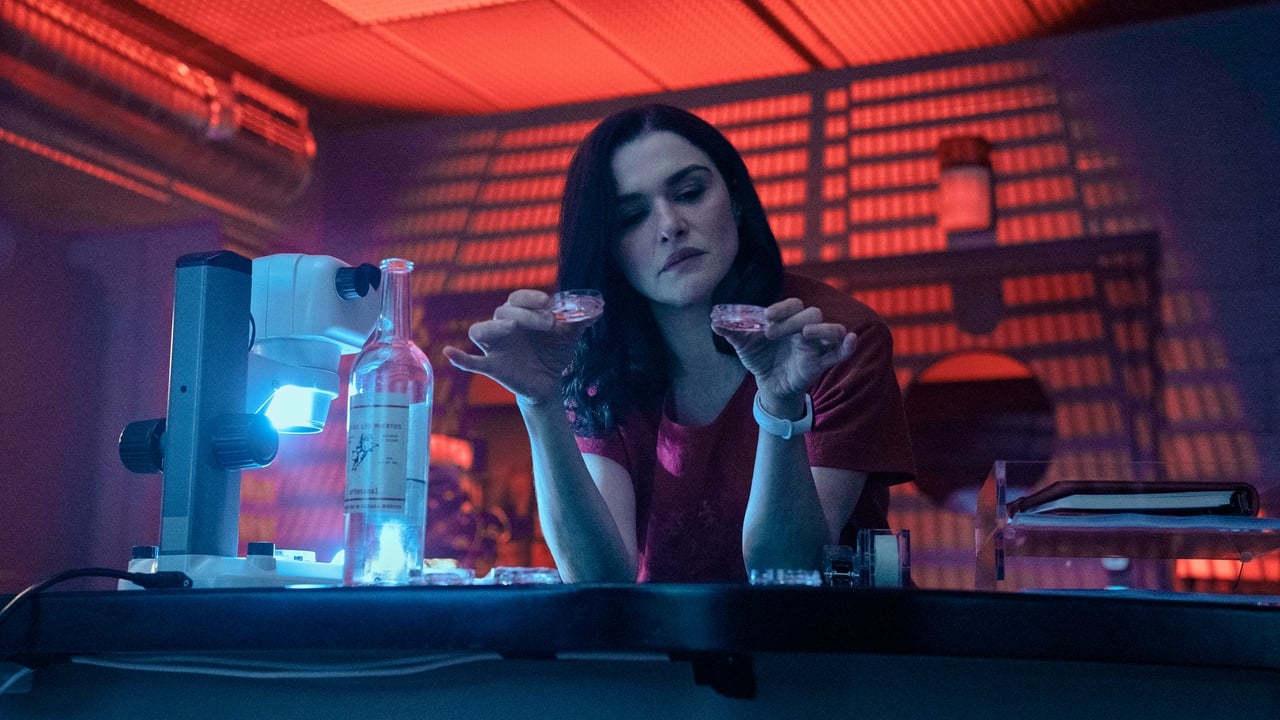
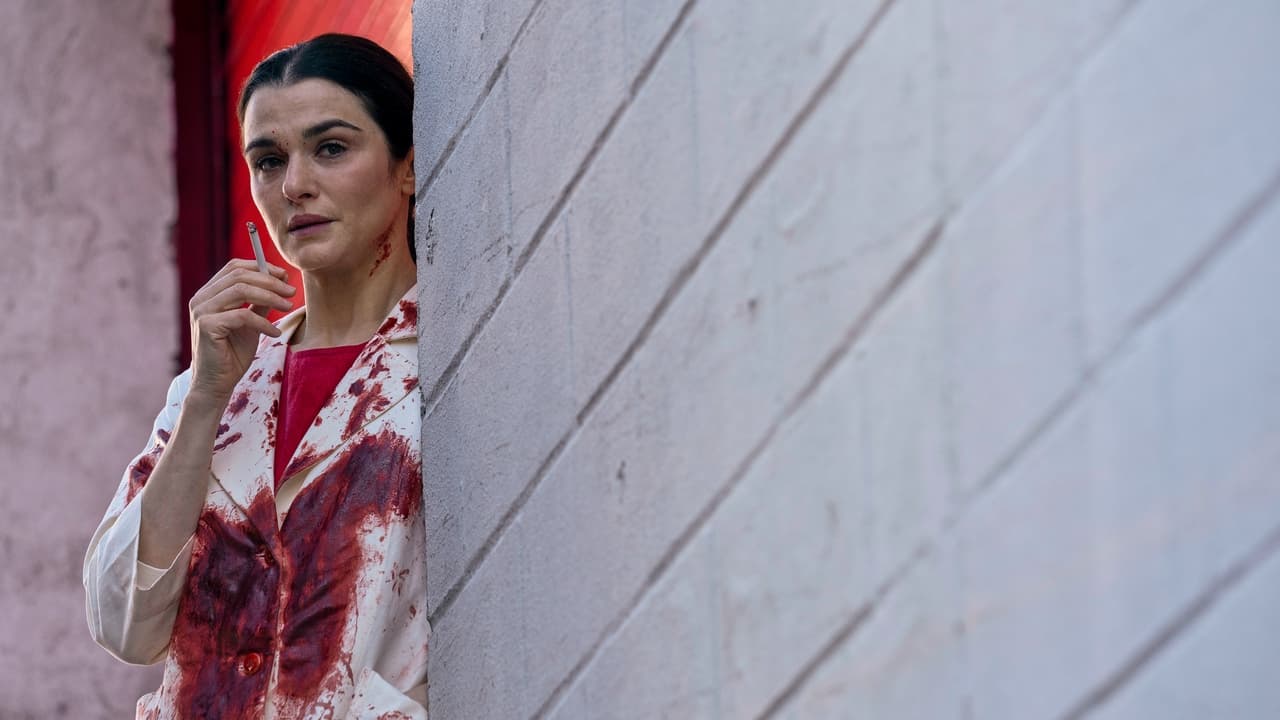
The friction comes from how the show mixes high-end luxury with absolute filth. One minute the twins are in a sterile, neon-lit lab discussing the future of fertility; the next, they’re in a dive bar or a drug-fueled haze. It’s a fever dream that feels both expensive and deeply uncomfortable.
How to handle the "ick" factor
For the intentional viewer, the value here is in the conversation starters. The show isn't just being gross for the sake of it—it’s asking questions about medical ethics and the commodification of birth.
- If you can handle the 1988 original, you’ll appreciate the updates made here to center the female experience.
- If you’re squeamish about needles, scalpels, or very realistic birthing scenes, this will be a miserable experience for you.
It’s one of those rare shows that is undeniably "good" but also very hard to "like." It’s cold, it’s cynical, and it’s meant to leave you feeling a little bit haunted. If you’re looking for something that challenges the "prestige TV" mold and you have a high tolerance for the grotesque, it’s a must-watch. If you’re just looking to unwind after a long day, keep scrolling.