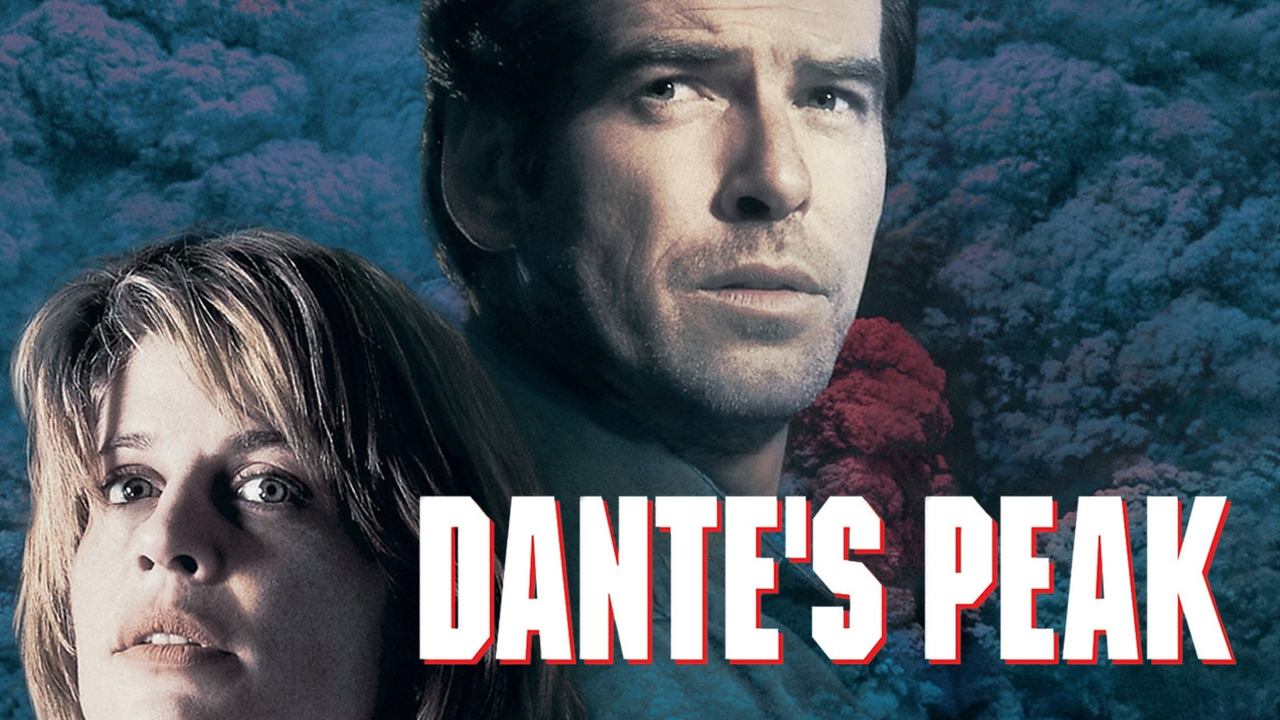
The slow-burn procedural
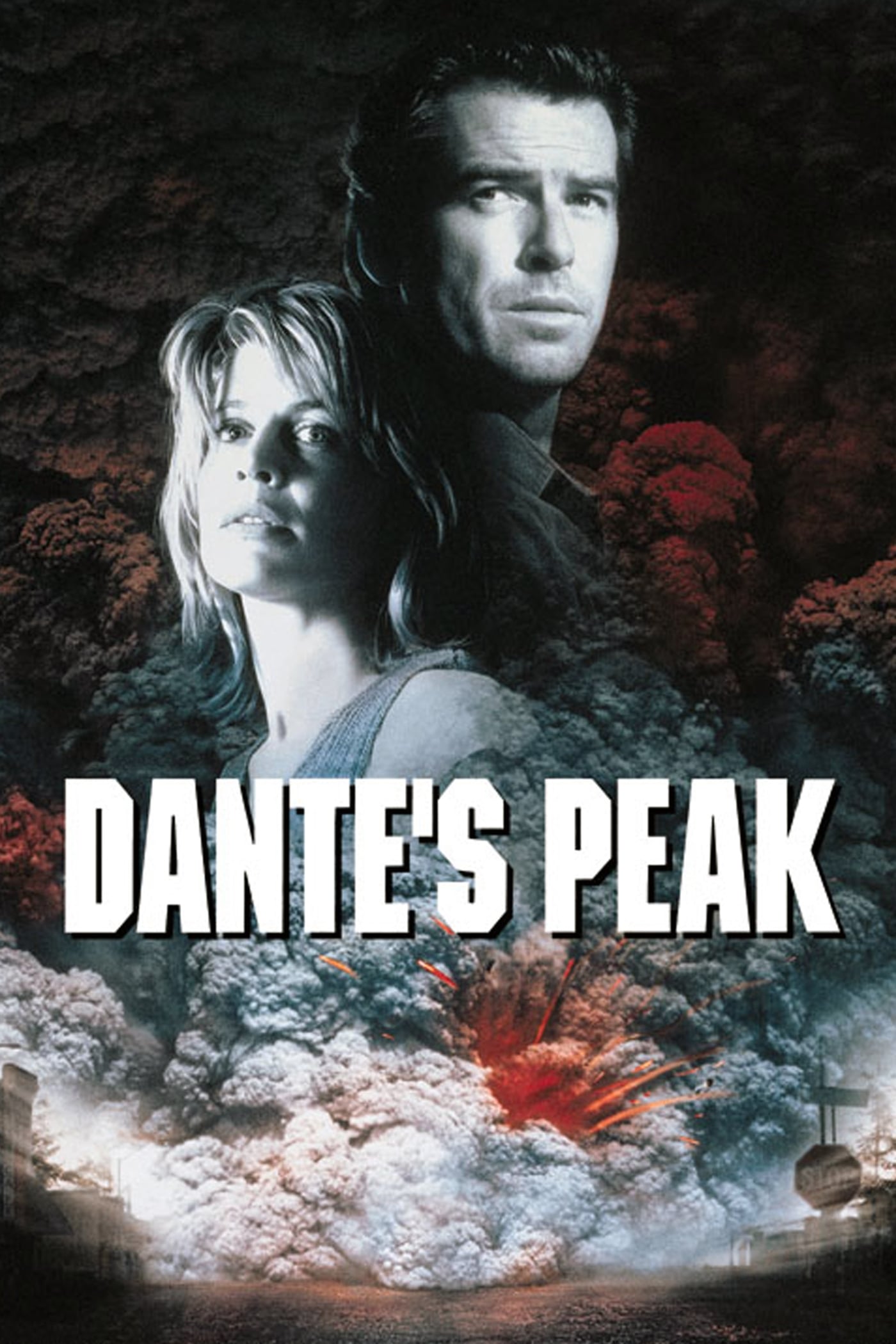
If your kid is used to the immediate, world-ending chaos of modern disaster flicks, the first hour of Dante’s Peak might feel like a surprise science lecture. It’s a procedural. We spend a lot of time watching experts look at seismographs, discuss municipal bond ratings, and argue about whether "micro-tremors" warrant an evacuation. For a certain type of kid—the one who reorganizes their rock collection by mineral hardness—this is gold. For everyone else, it’s the tax you pay to see a mountain eventually turn into a blowtorch.
The pacing is very much of its era. It builds tension through bureaucracy and "I told you so" moments rather than constant explosions. If you're planning a movie night, don't start this too late, or the "boring" mutiny will happen before the first pebble even falls.
Practical effects vs. digital soup
One reason to pick this over a more recent disaster movie is the tactility. In 1997, they couldn't just click a button to generate a digital mountain. They built massive miniatures and used actual physical effects for the ash clouds and mudslides. When a house gets crushed by a lahar (that’s a volcanic mudflow), it has a weight and a crunch that modern CGI often misses. It feels dangerous because your brain recognizes that something physical is actually being destroyed.
The "Lava" confusion
Before you hit play, make sure everyone is on the same page about what kind of volcano movie this is. If you have a younger child expecting a singing tropical island or a cartoon adventure, you are heading for a disaster of your own. We have a guide on which "Lava" movie your kid is actually watching to help you navigate the massive gap between a sweet Pixar short and this gritty survival story where the mountain is actively trying to melt the cast.
Why it sticks
Critics were pretty brutal to this one—that 28% on Rotten Tomatoes is a gut-punch—but they were mostly offended by the clunky dialogue and the predictable romance. They weren't looking at it through the lens of a disaster-obsessed ten-year-old.
If your kid liked Twister, this is the natural next step. It hits all those same notes:
- The expert who no one listens to.
- The "one that got away" backstory.
- The incredibly high-stakes rescue of a pet.
It’s a specific brand of 90s comfort food. It isn't trying to be high art; it’s trying to show you what happens when a town’s water supply turns to sulfur and the local lake becomes a giant vat of acid. It’s effective, it’s messy, and it’s a great way to talk about how real-world leaders handle (or ignore) scientific warnings. Just be prepared for the "what if our mountain blows up?" questions that will inevitably follow the credits.