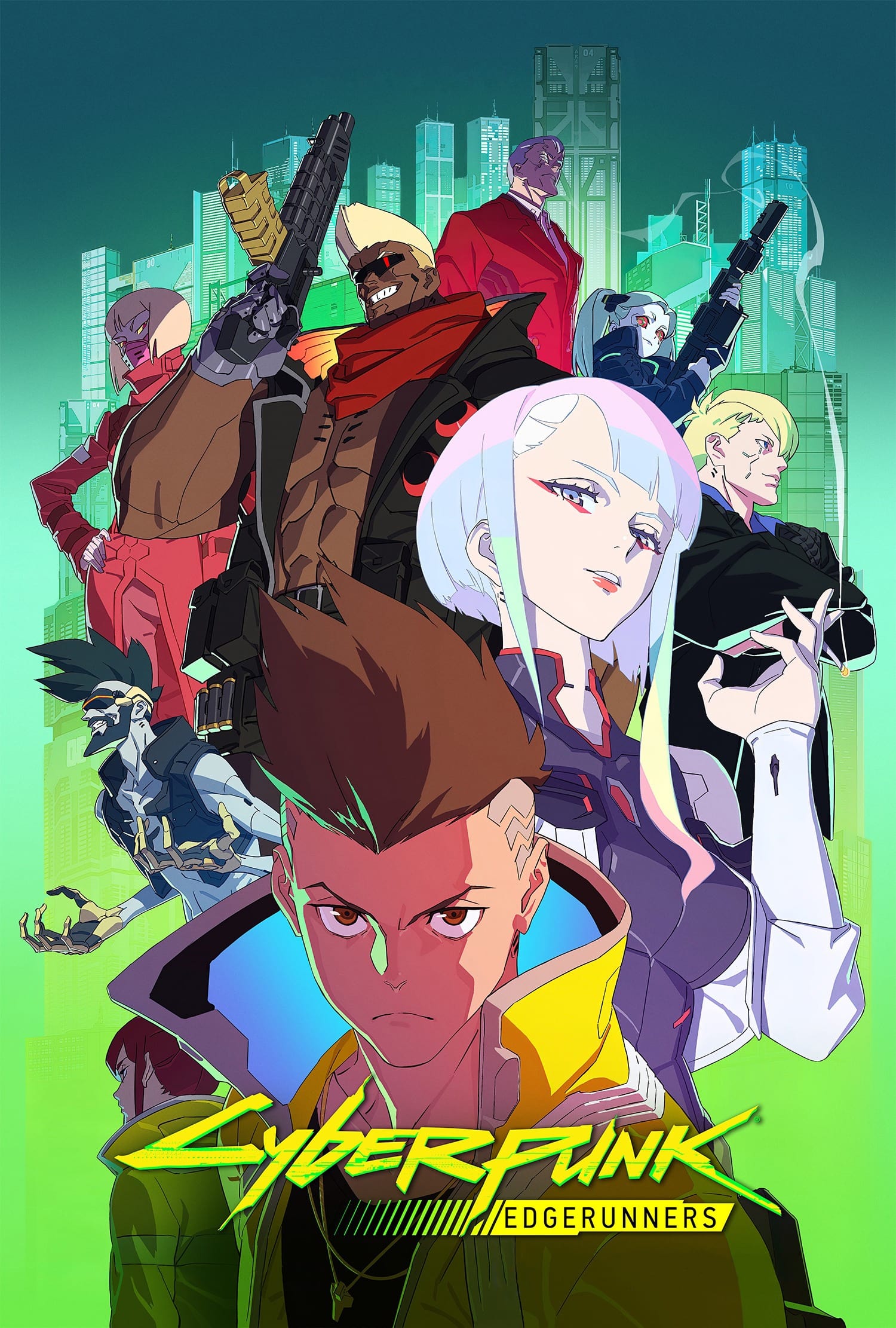
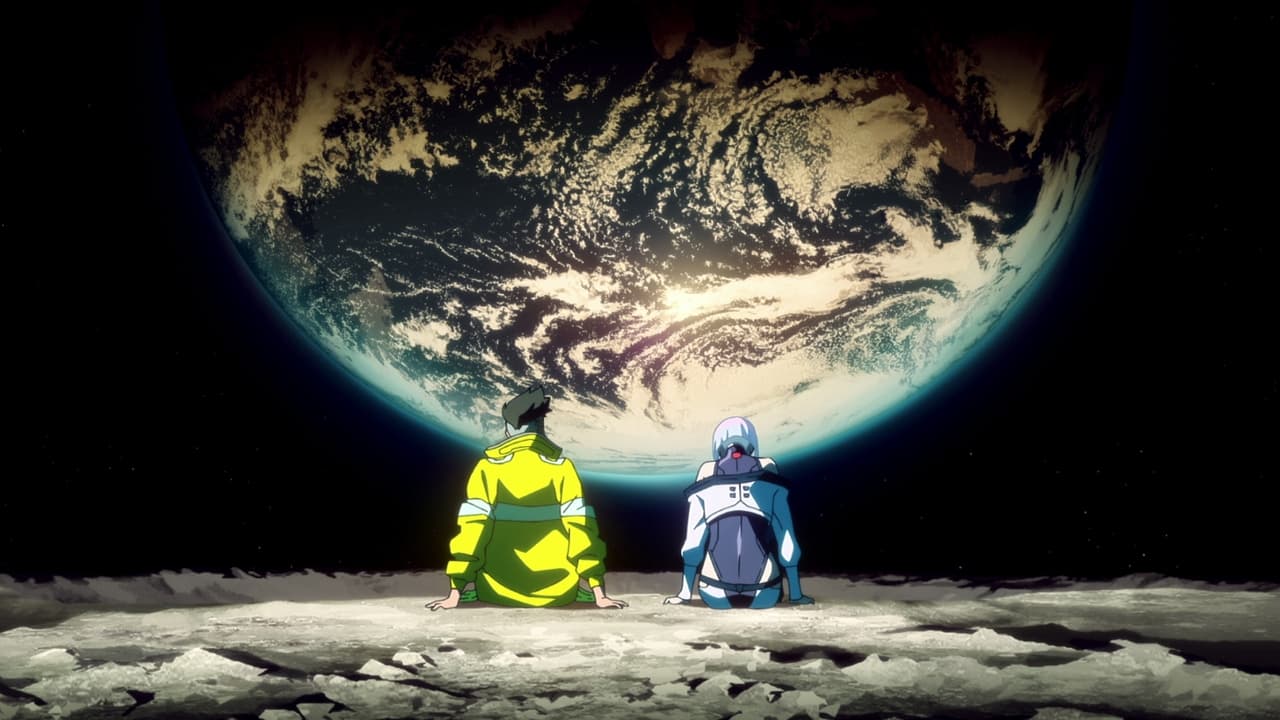
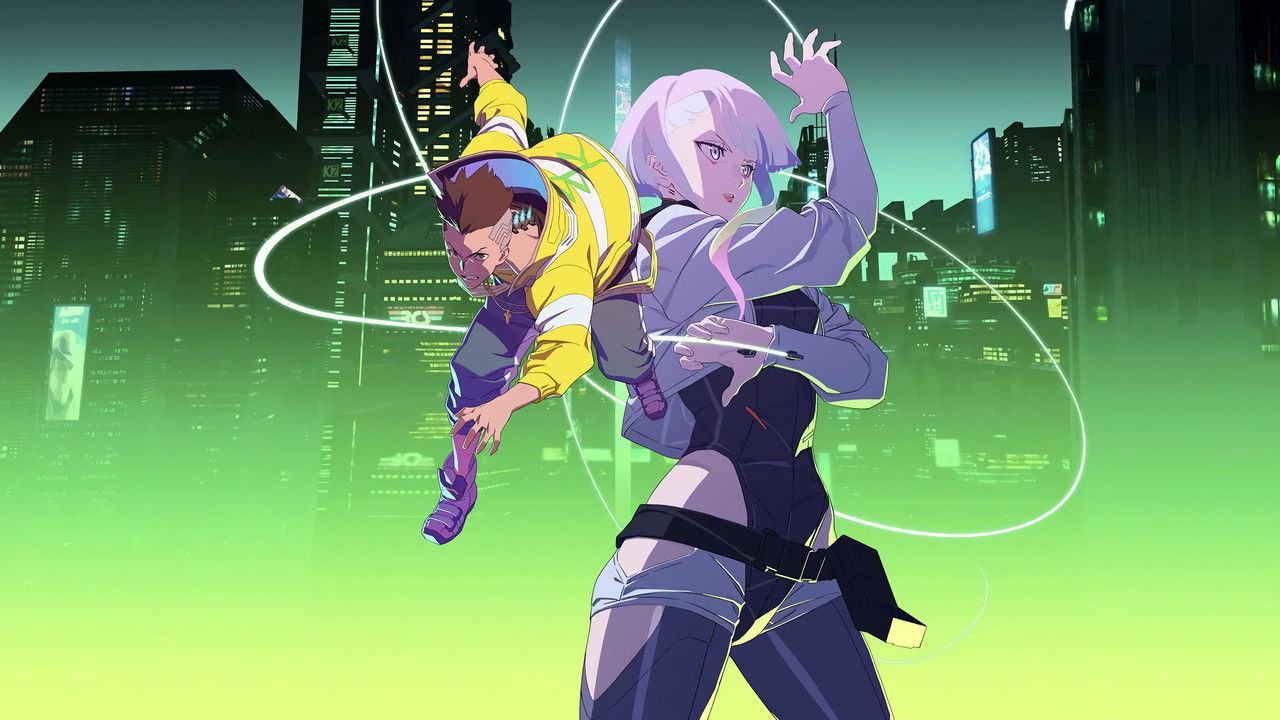
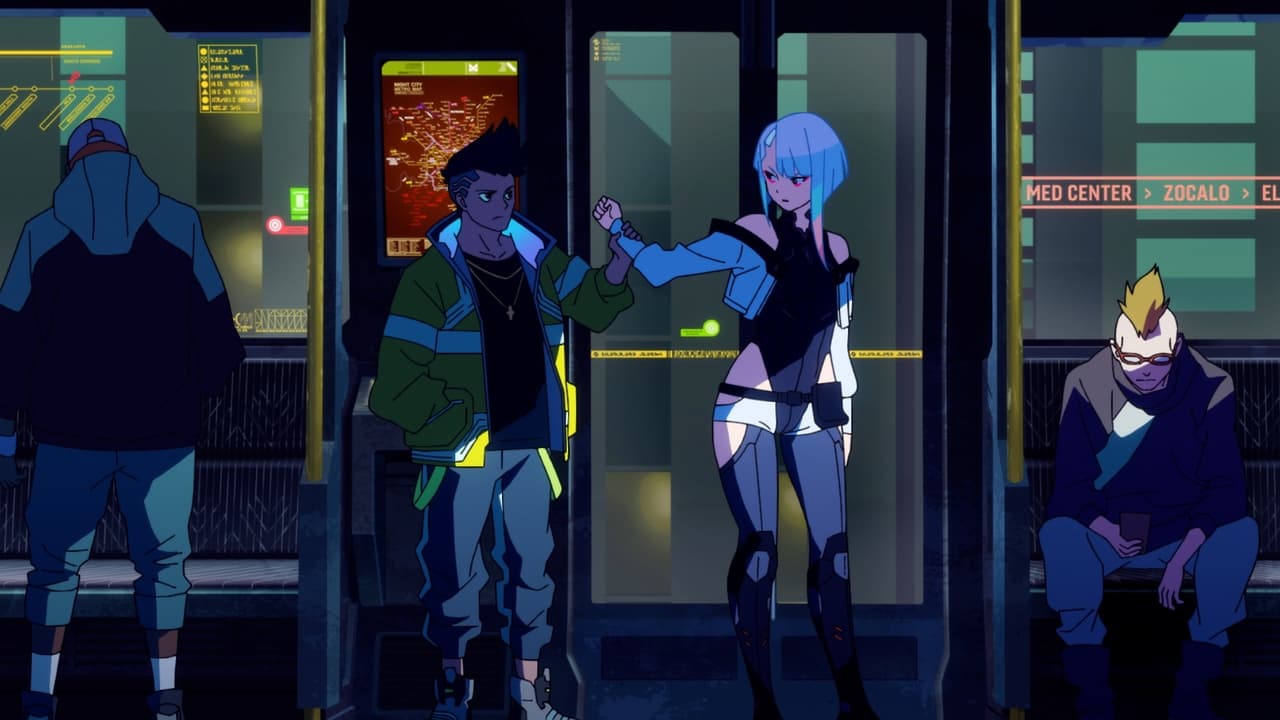
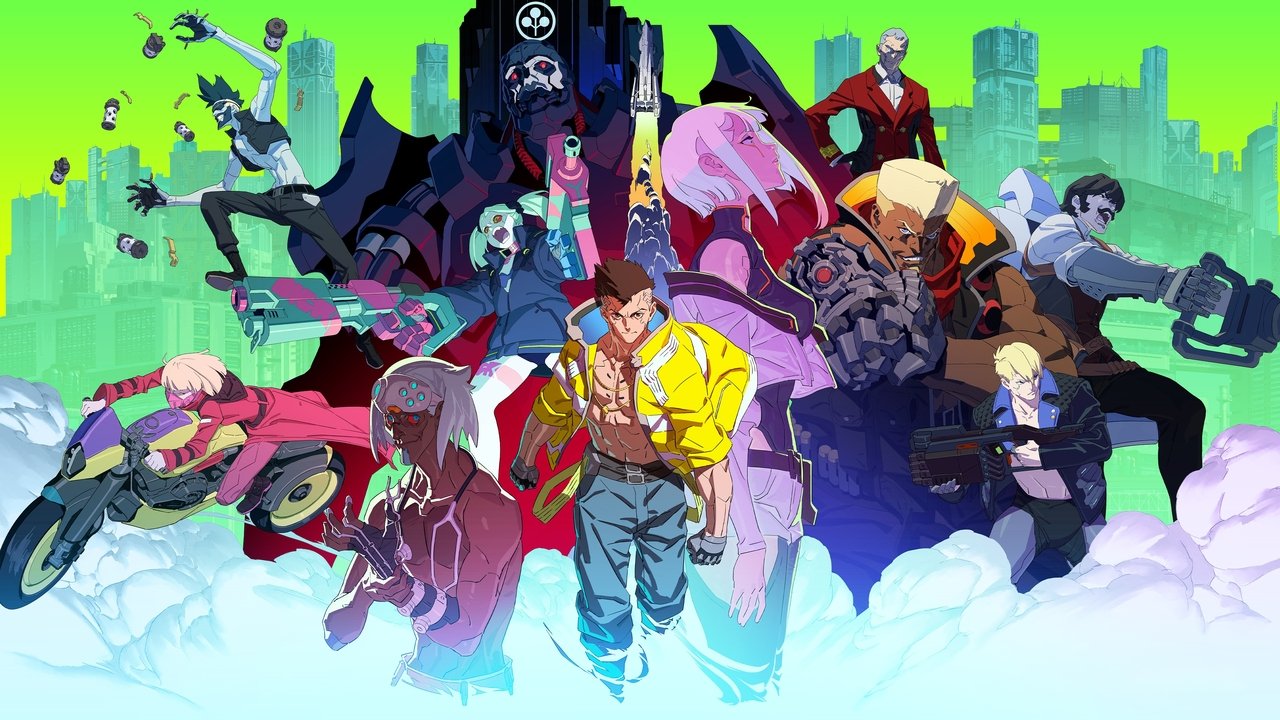
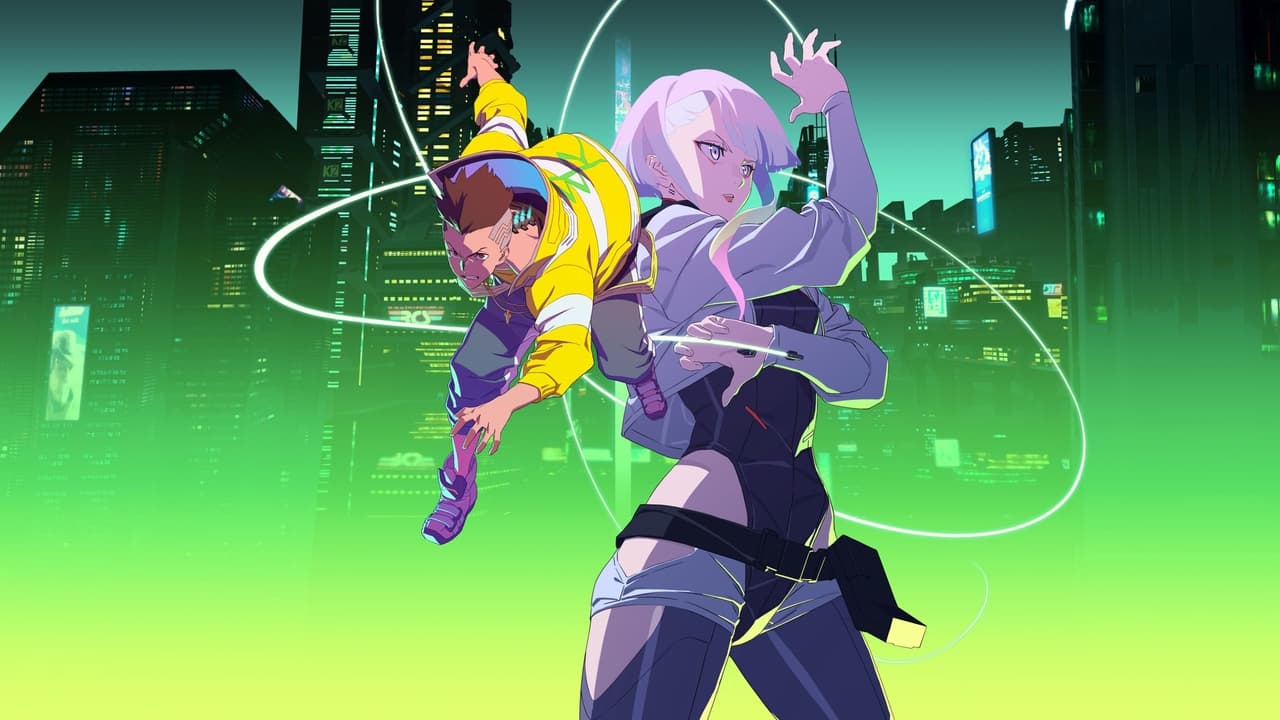
Most video game adaptations feel like a marketing obligation. This is different. It’s a standalone tragedy that happens to be set in a neon-soaked corporate hellscape. While the game it’s based on focuses on the power fantasy of being a mercenary, the show focuses on the inevitability of losing your soul to the machine. It’s high-octane, hyper-stylized, and deeply cynical.
The Studio Trigger factor
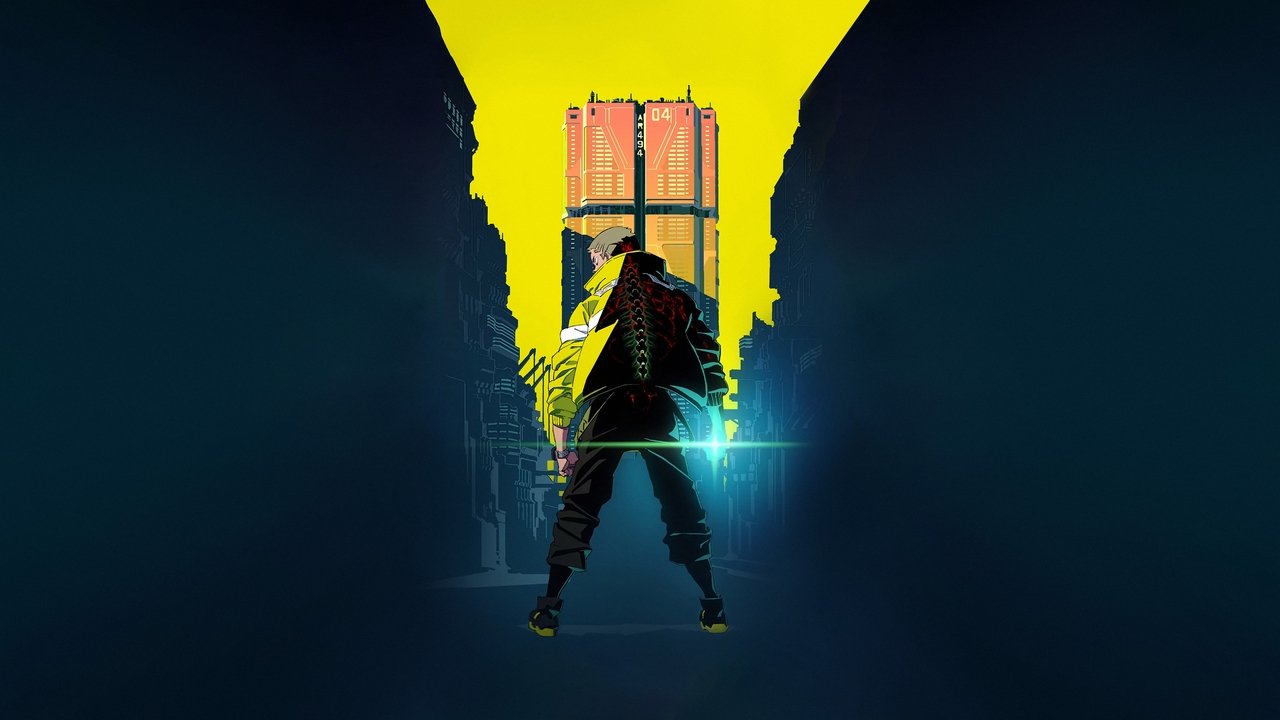
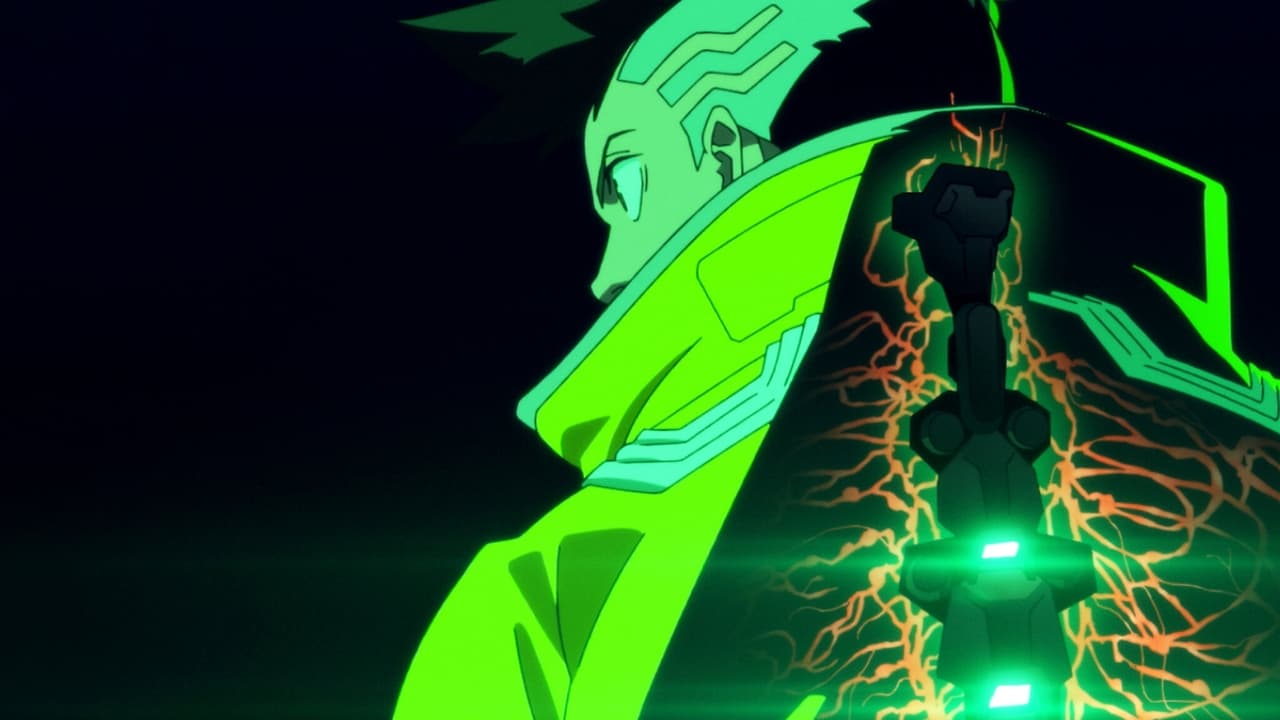
The animation studio behind this is known for a very specific kind of maximalism. Think bright, clashing colors and movement so fast it feels like the screen is vibrating. It’s beautiful, but it’s also sensory overload. For a story about a kid who keeps shoving high-end hardware into his body until his brain starts to fry, that frantic visual style isn't just an aesthetic choice; it’s the point. The show uses its art to make you feel the "chrome" addiction. If your kid is used to the polished, cinematic look of Arcane, this will feel like a jagged, neon lightning strike.
The "Cyberpsychosis" friction
Beyond the "heads exploding" violence, the real weight of the show is its depiction of mental health. In this world, "Cyberpsychosis" is what happens when you lose your humanity to your implants. It’s handled with a level of nihilism that can be genuinely upsetting. We watch characters we like slowly lose their grip on reality, hallucinating and becoming paranoid before they eventually snap. It’s not a "hero's journey" where the protagonist gets stronger and saves the day. It’s a "downward spiral" where the protagonist gets stronger and loses himself.
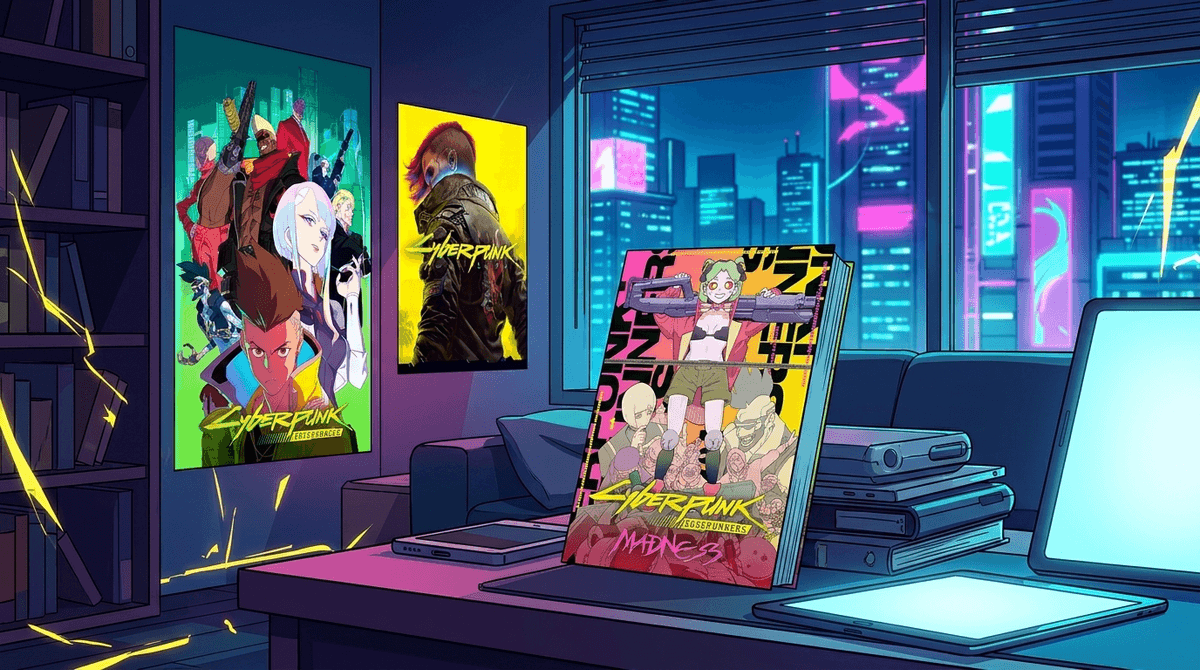
If your teen is already gravitating toward this world, they might be looking at the Cyberpunk: Edgerunners MADNESS manga, which functions as a prequel and doubles down on that same sense of blood-soaked chaos.
How to think about the 17+ rating
The Common Sense Media rating puts this at a firm 17+, and they aren't being cautious. This isn't "cartoon violence" where people bounce back. It’s visceral. Bodies are torn apart, and the sexual content is explicit rather than suggestive.
But the rating also reflects the emotional maturity required. The show asks some heavy questions: Is it better to live a quiet, safe life, or to go out in a blaze of glory? In Night City, those are the only two options, and neither is particularly happy. If you’re deciding whether an older teen is ready, ask if they can handle a story where "winning" usually just means surviving another day.
If they liked Arcane
Arcane is the gold standard for many, but Edgerunners is its grittier, more cynical cousin. Where Arcane feels like a grand epic, Edgerunners feels like a punk rock song: short, loud, and over before you’re ready. It’s only 10 episodes, and it moves at a breakneck pace. It’s the kind of show that leaves a mark because it refuses to give the audience a traditional happy ending. If they’re looking for more "cool robots" and less "crushing existential dread," you might want to steer them toward something else. But if they want a story that actually has something to say about corporate greed and the cost of ambition, this is the one.