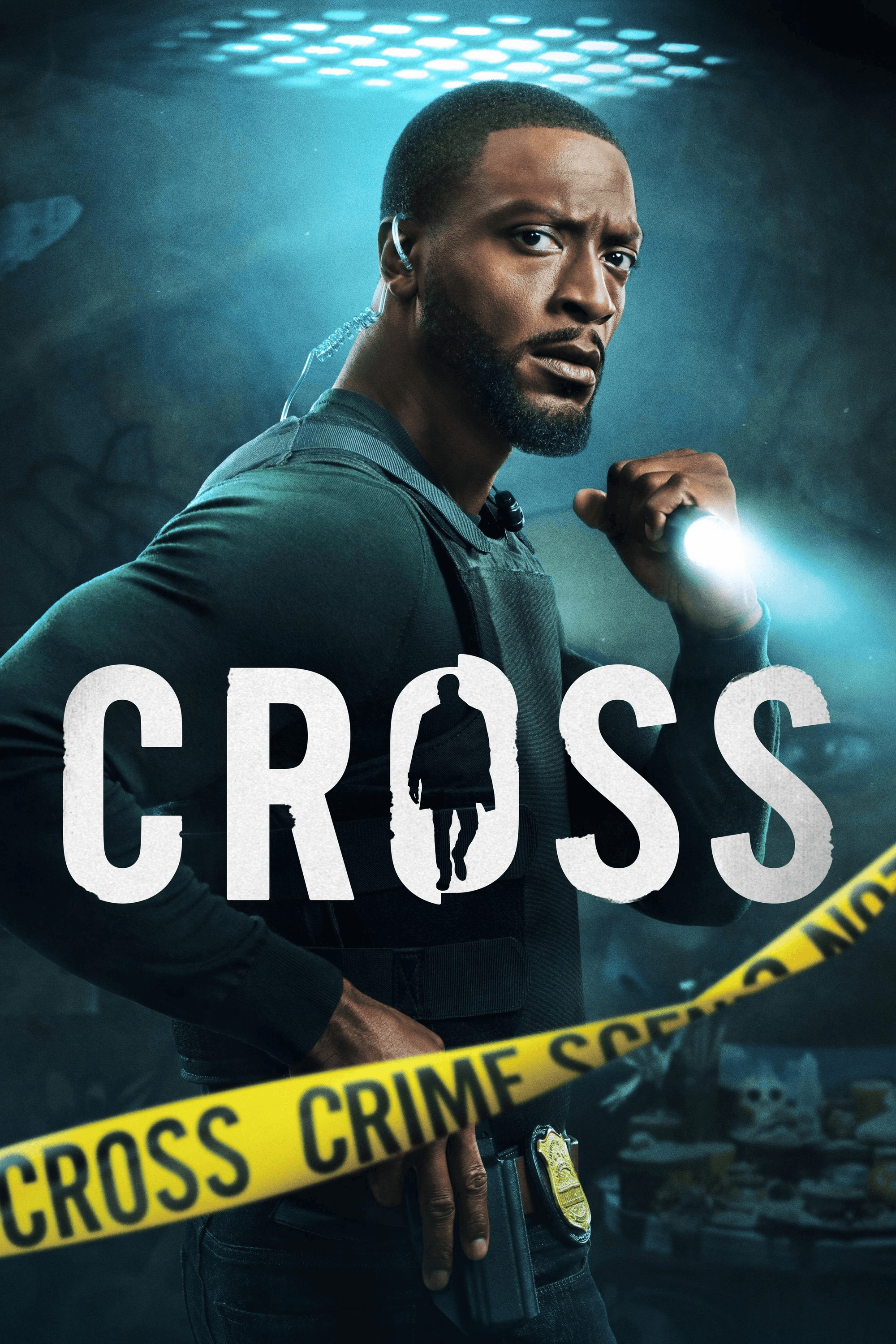
The James Patterson pivot
If you have a middle-schooler, there is a high probability they’ve encountered the Ali Cross book series in their school library. Those books are great—they’re fast-paced, age-appropriate mysteries about Alex Cross’s son. But don't let that brand recognition fool you into thinking this show is a family-room spin-off. This version of Cross is a hard-boiled, psychological thriller that lives in the shadows.
While the books often feel like a puzzle to be solved, the show leans heavily into the trauma of the protagonist. We aren't just watching a detective solve a crime; we’re watching a man try to stay upright while his personal life is a wreck. It’s a serialized drama that demands more emotional bandwidth than your average "case of the week" procedural.
Where it sits on the "Gritty Detective" scale
Amazon has cornered the market on "Dad TV"—those reliable, sturdy shows like Bosch or Reacher where a capable man does capable things. Cross fits into that ecosystem, but it’s significantly darker and more cerebral. If Reacher is a punch to the face, Cross is a slow-burn interrogation.
The critics generally liked it more than the general audience, which usually happens when a show prioritizes atmosphere over traditional action beats. The audience score likely reflects some frustration from long-time book fans who expected a literal translation of the novels. Instead, we get a version of Alex Cross that feels modern, urban, and deeply flawed.
If your teen is a fan of the darker corners of the DC universe or shows like Criminal Minds, they might find the pacing here familiar. However, the level of violence and the psychological weight of the "serial killer trophies" mentioned in the content flags are no joke. Before you let a 14-year-old hit play, check out our Alex Cross series parents guide for a specific breakdown of why this earned its TV-MA badge.
The Aldis Hodge factor
The main reason to watch this—and the reason it rises above being just another cop show—is the lead performance. He manages to make a character who is "obsessed to the point of single-mindedness" actually likable.
The show succeeds when it focuses on the friction between his professional brilliance and his domestic struggles. It’s rare to see a show give this much screen time to a detective’s life as a father, and those scenes provide a necessary breather from the grim reality of the murder investigations. It’s a smart move that prevents the show from becoming a total "doom-scroll" of a viewing experience.
How to handle the "binge"
This isn't a show to have on in the background while you're folding laundry. The mystery is dense, and the psychological breadcrumbs require your full attention. Because of the heavy themes of grief and the graphic nature of the crime scenes, it's also a lot to process in one sitting.
If you’re watching with an older teen, use the "single dad" angle as your entry point. The show is at its most interesting when it asks if a person can truly be a "doting family man" while spending their days staring into the eyes of monsters. It’s a heavy question, and the show doesn't provide easy answers.