The "Exótico" factor
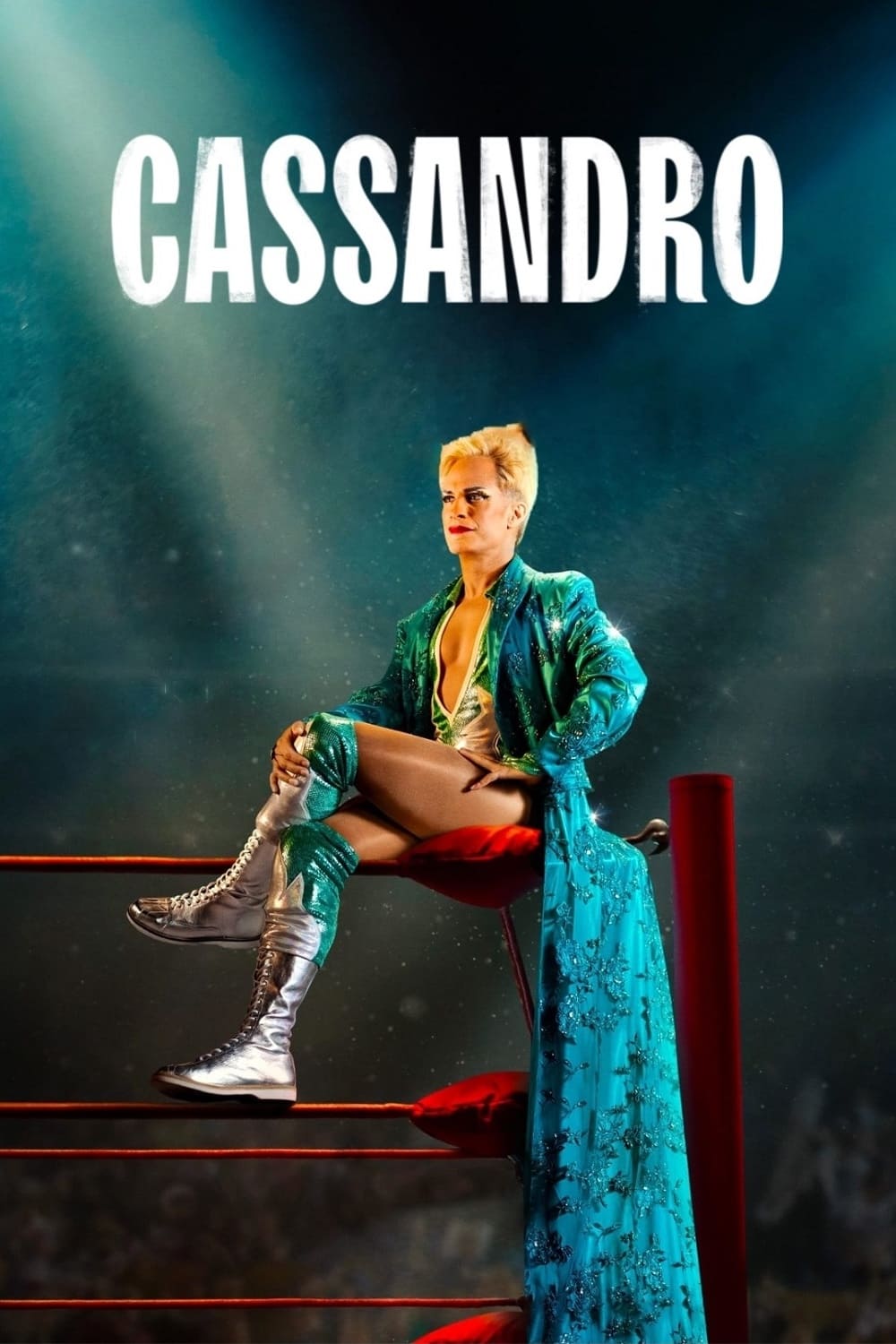
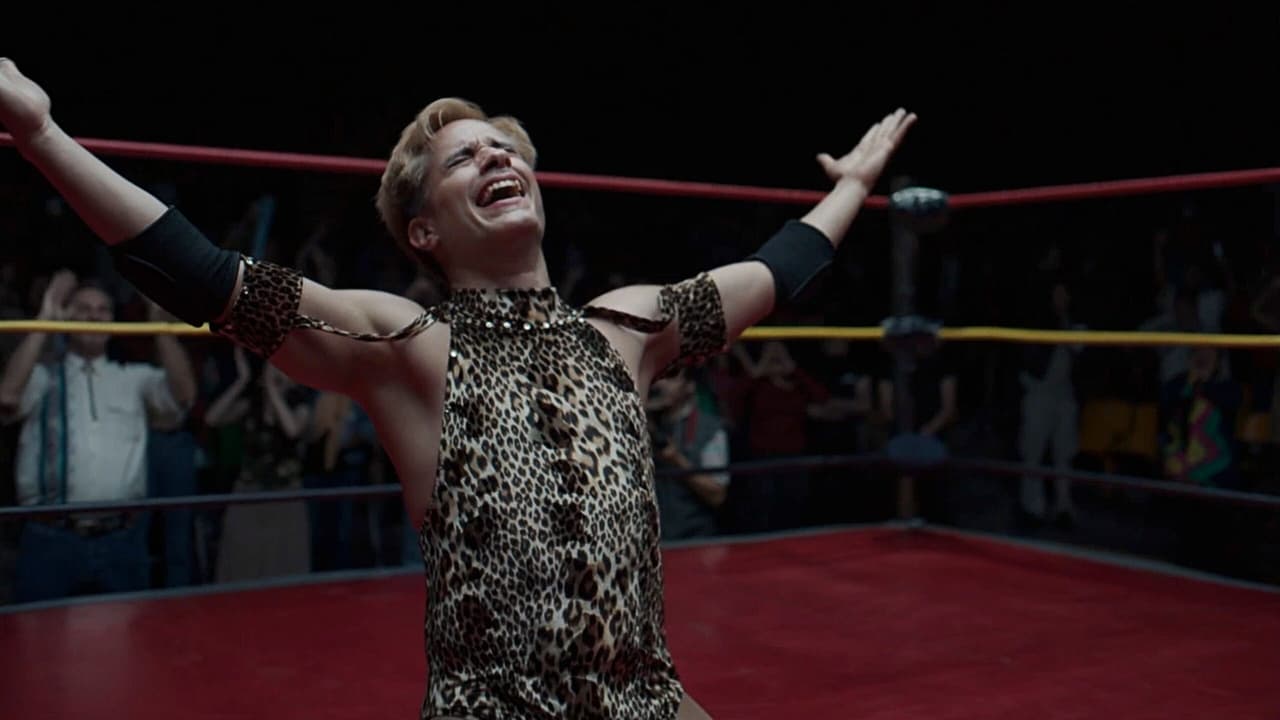
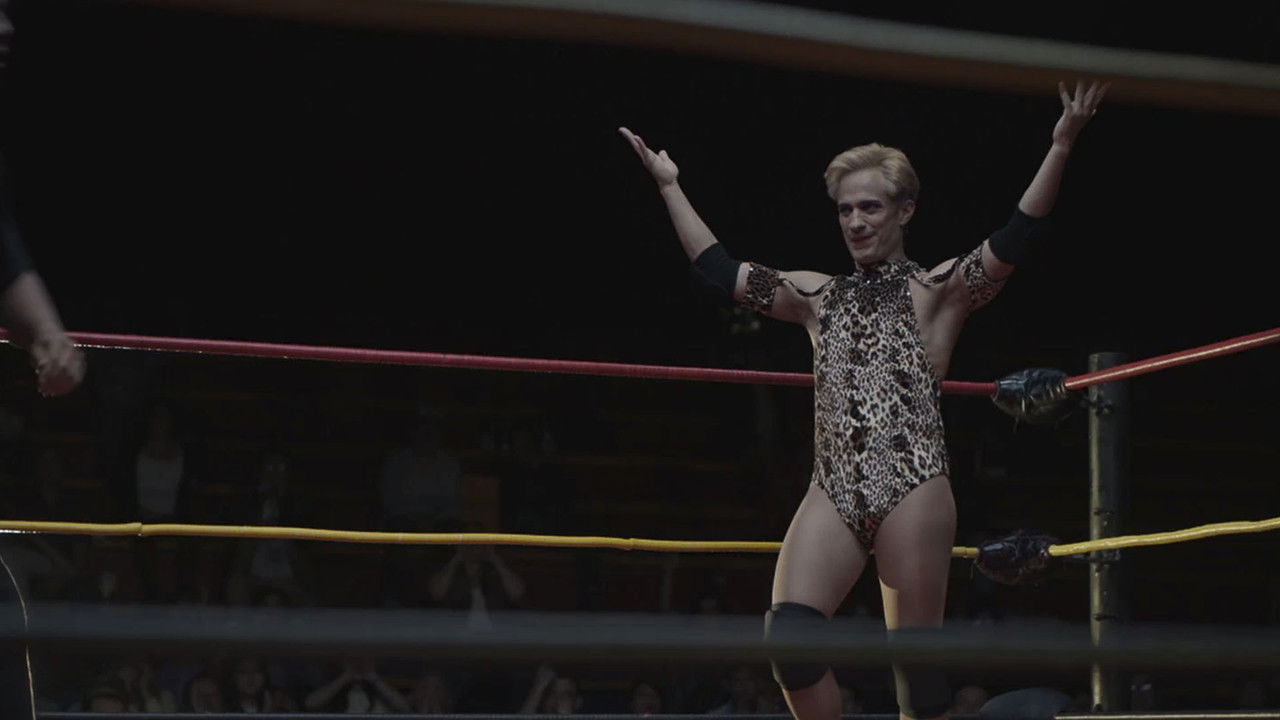
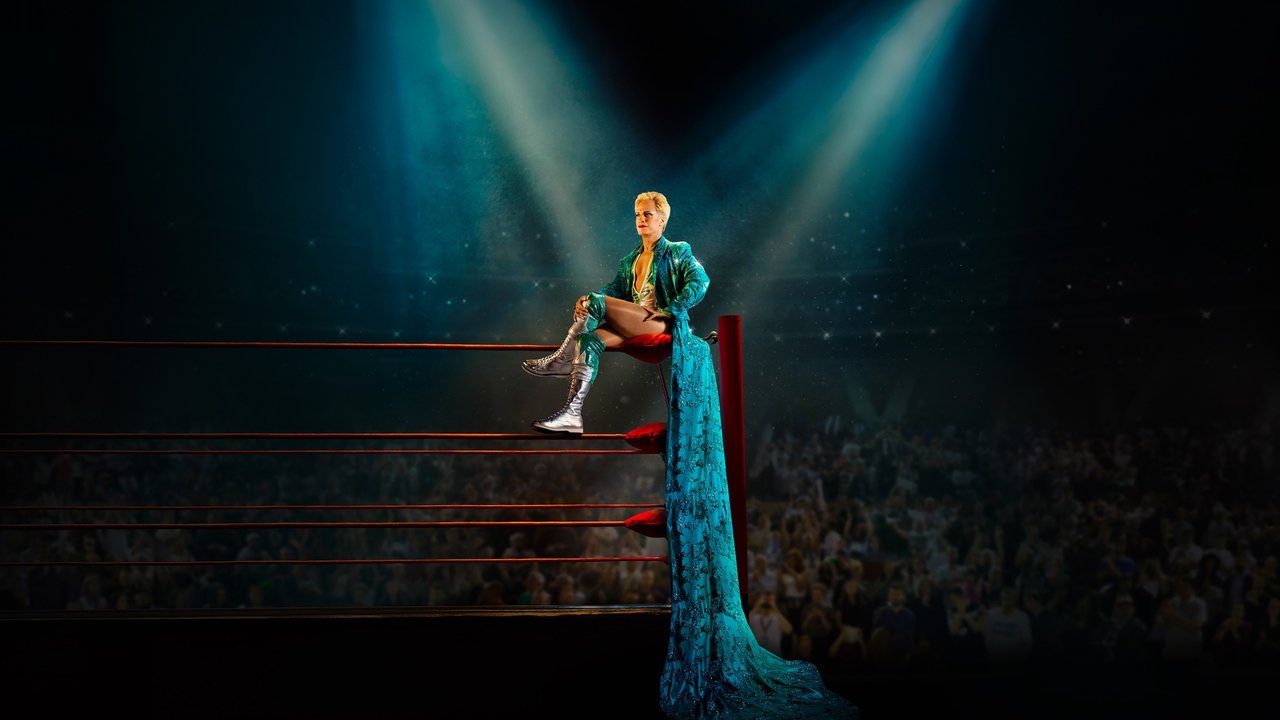
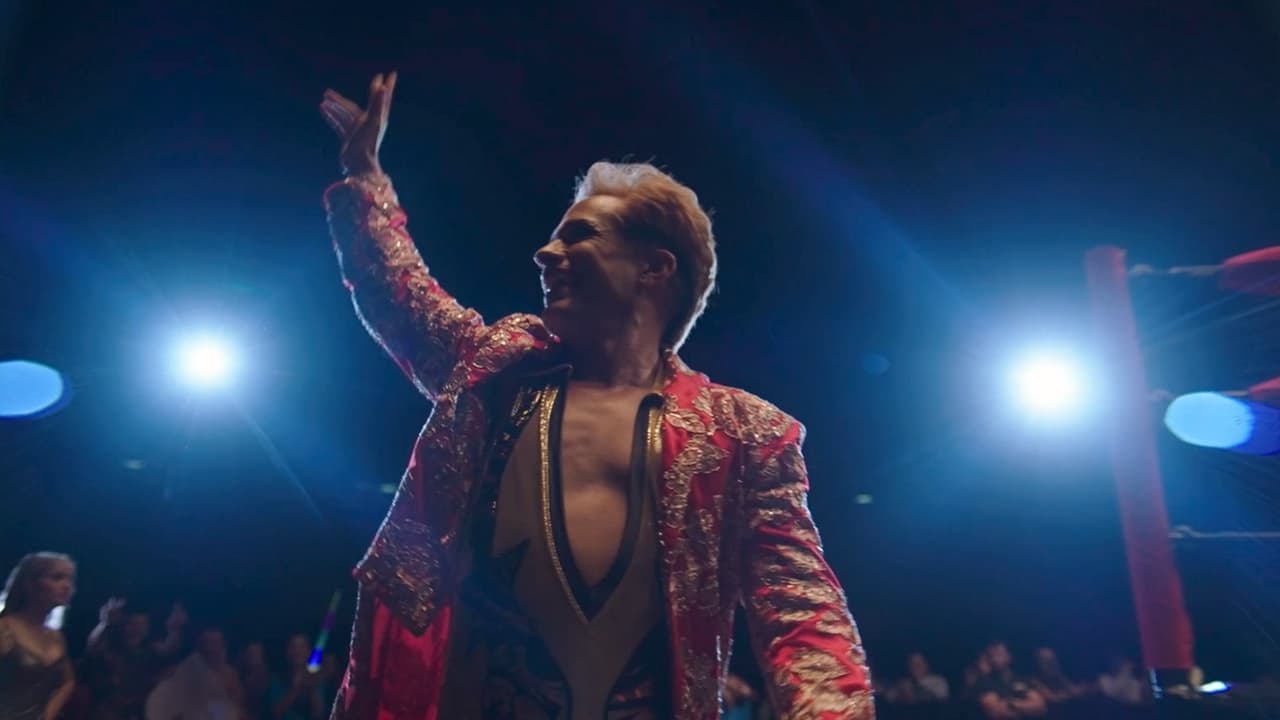
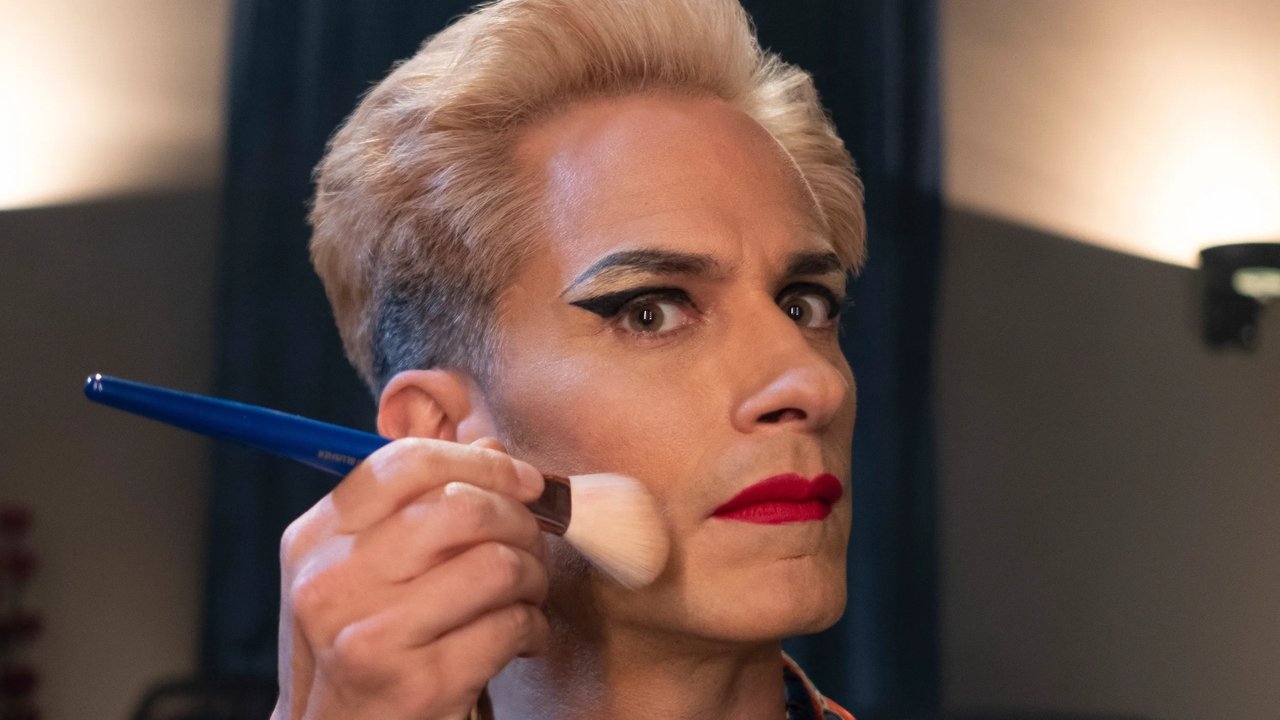
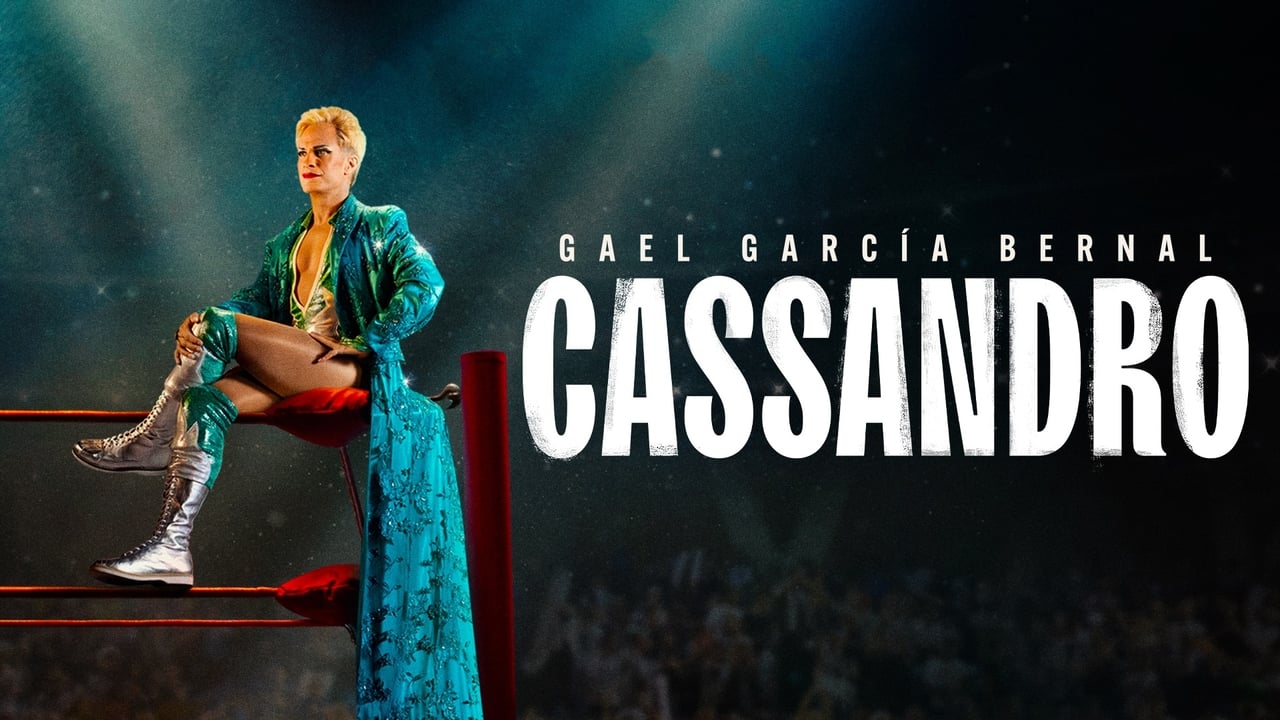
Most American audiences know lucha libre through the lens of Nacho Libre or the high-flying stunts of the WWE. Cassandro introduces a much more specific, fascinating subculture: the exótico. In the traditional Mexican wrestling circuit, exóticos are male wrestlers who perform in drag, usually acting as the comic relief or the "heel" meant to be humiliated by the hyper-masculine heroes.
The pivot point of the movie—and the reason it works as a coming-of-age story for older teens—is the moment Saúl decides he doesn’t want to be the punchline anymore. He wants to be the winner. It’s a story about taking a role designed for mockery and turning it into a position of power. If you have a kid who is interested in queer history or the way marginalized people carve out space in "macho" environments, this is a top-tier case study.
The Bernal bridge
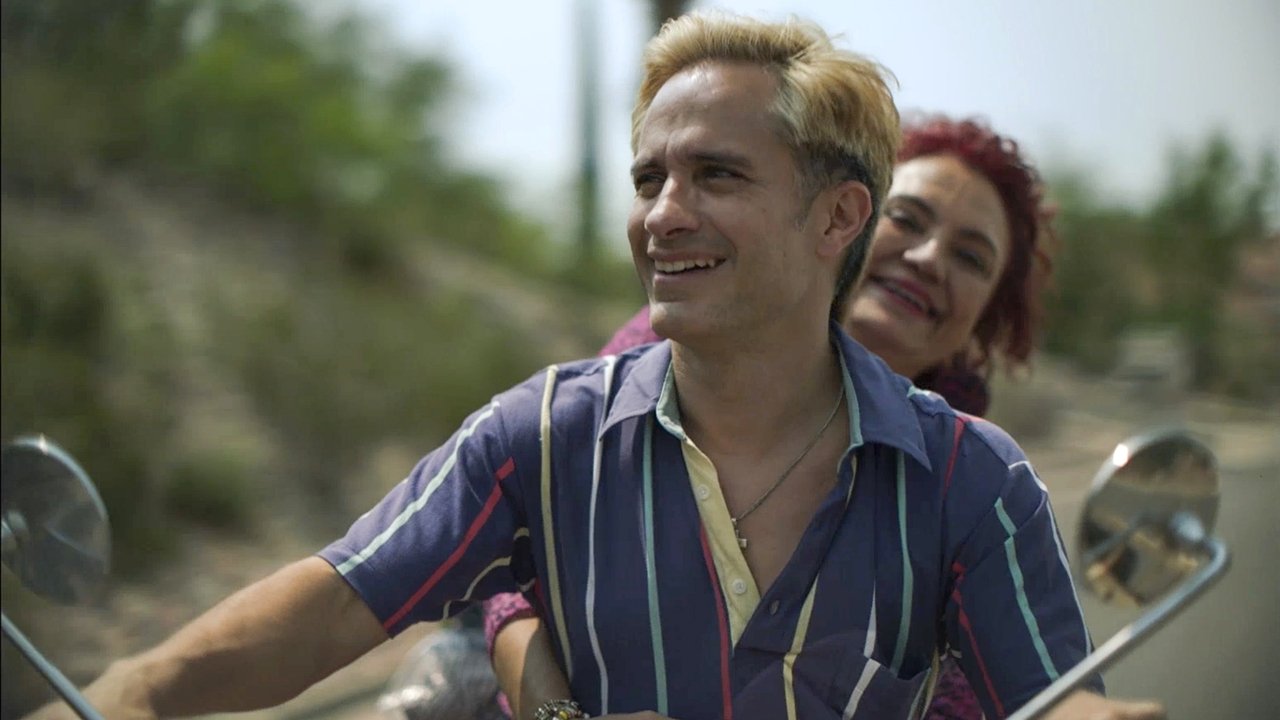
Gael García Bernal is the primary reason to hit play. He’s been a staple of international cinema for decades, but your teen might only know him as the voice of Hector or from his recent turn in the MCU. This performance is a massive departure from those roles, requiring a physical transformation that stays grounded even when he’s wearing six-inch gold fringe.
If your family is starting to follow his career after seeing him in big-budget franchises, our guide From 'Coco' to Marvel Monsters: A Parent’s Guide to Gael García Bernal can help you navigate the leap from his animated voice work to his more mature, live-action indie films like this one.
Not your average sports movie
While the wrestling scenes are choreographed with plenty of sweat and impact, this isn't Rocky. It’s a slow-burn character piece. Some critics have called it a bit too straightforward or "standard biopic," and they aren't entirely wrong. It follows the familiar rise-fall-redemption arc you’ve seen in a dozen other movies about famous figures.
However, the specific texture of the El Paso-Juárez border setting saves it from feeling generic. The movie captures that unique "third space" between the US and Mexico where Saúl exists. The friction comes less from the matches in the ring and more from Saúl’s secret relationship with a married man and his intense, co-dependent bond with his mother.
The Bad Bunny of it all
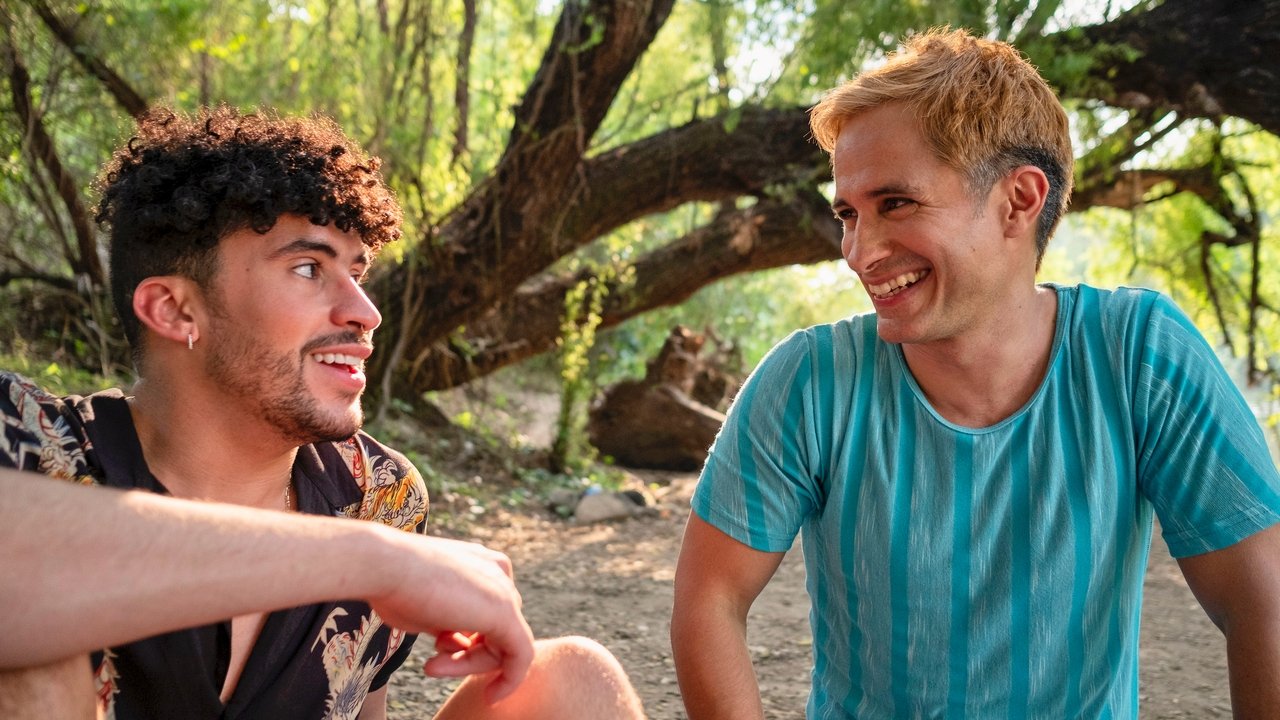
Let’s be real: a lot of teens will want to see this because of the cameo from a certain global superstar. His role is relatively small, but it’s a significant cultural crossover that gives the movie some modern clout. It’s a smart move that brings a younger audience to a story set in the 80s and 90s.
Just be aware that the movie doesn't shy away from the realities of Saúl’s world. There is casual drug use and a few scenes of physical intimacy that feel very "indie film"—meaning they are shot with a raw, handheld realism rather than Hollywood gloss. It’s exactly the kind of movie that feels like a discovery for a 16-year-old who is tired of the same three superhero plots.