The King of Cool and the Art of the Chase
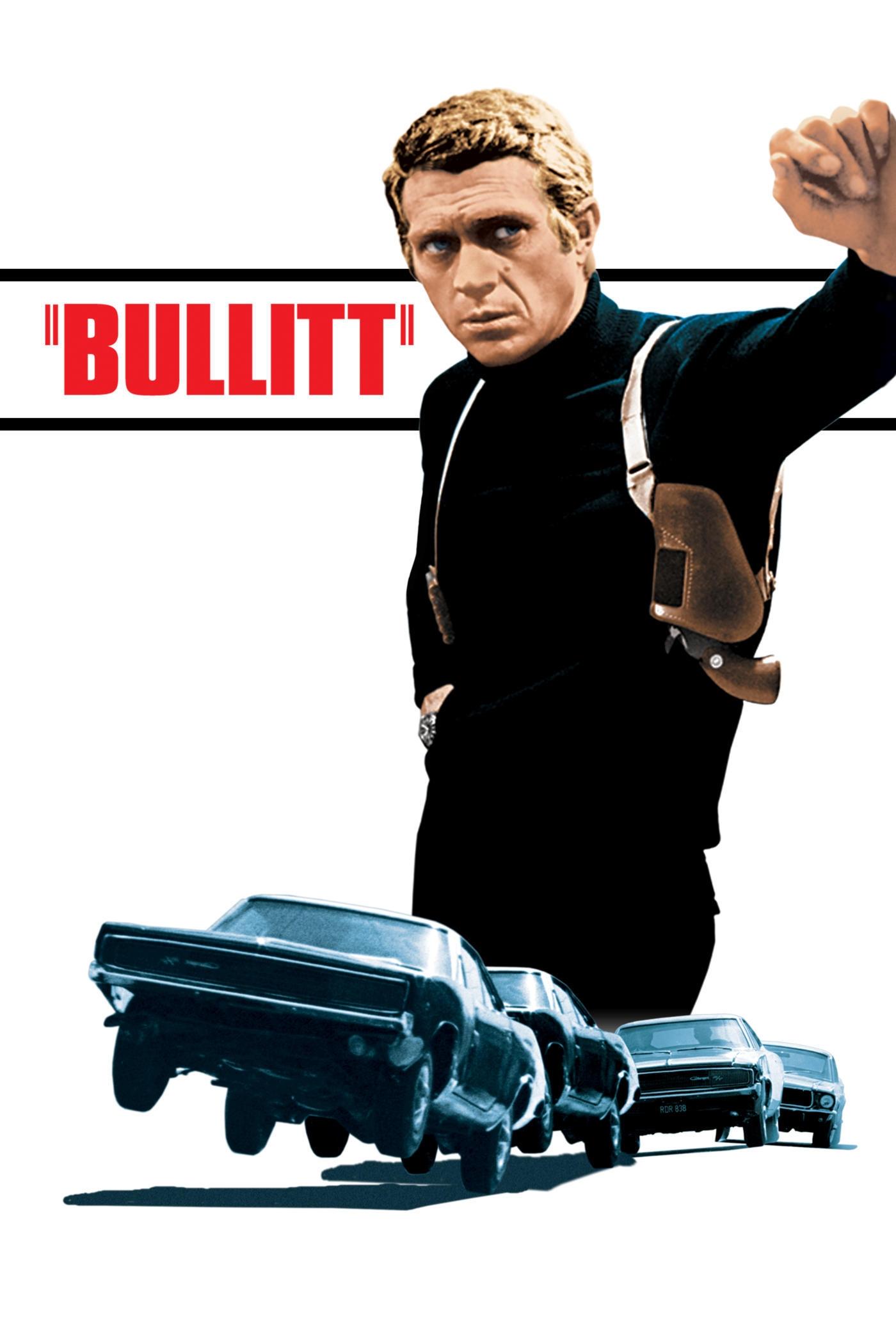
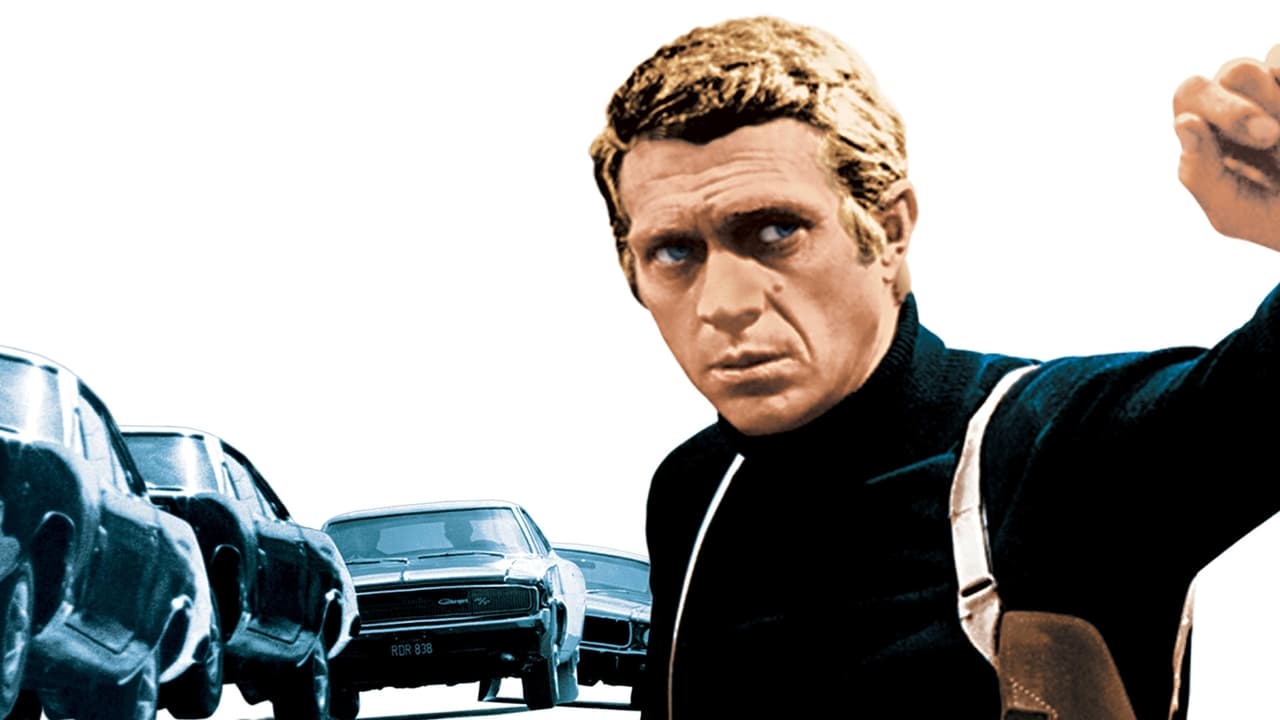
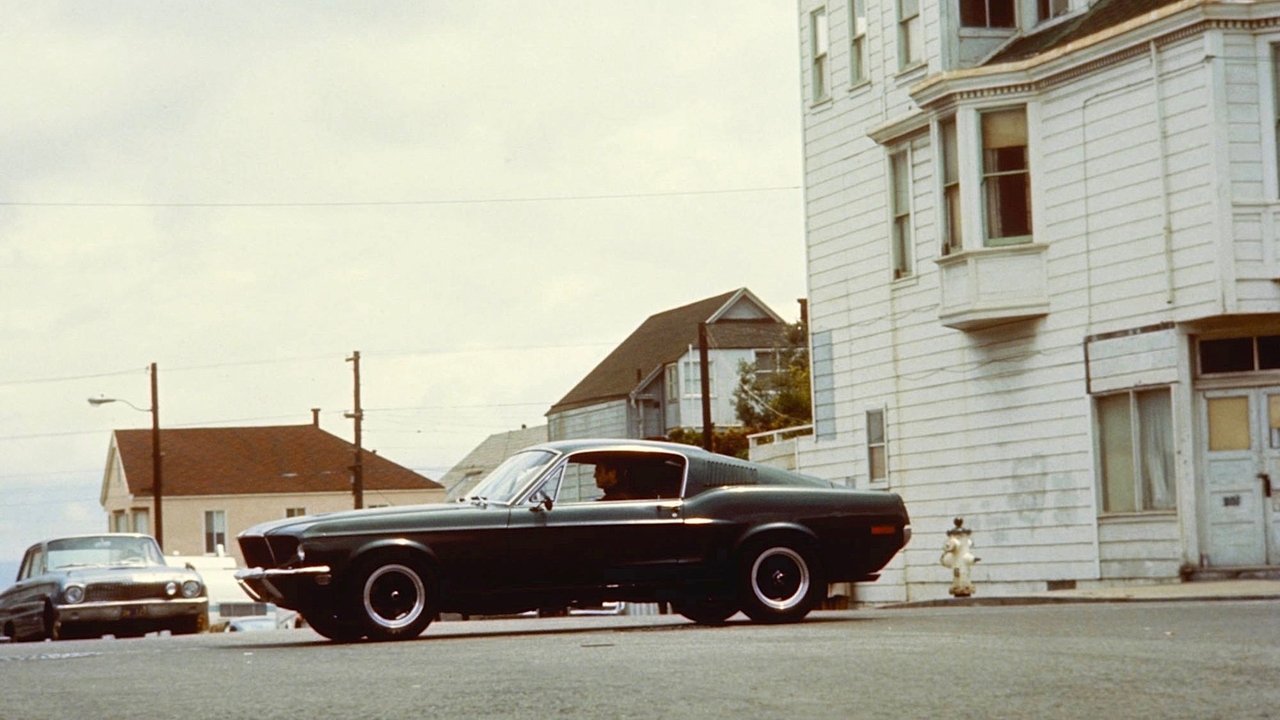
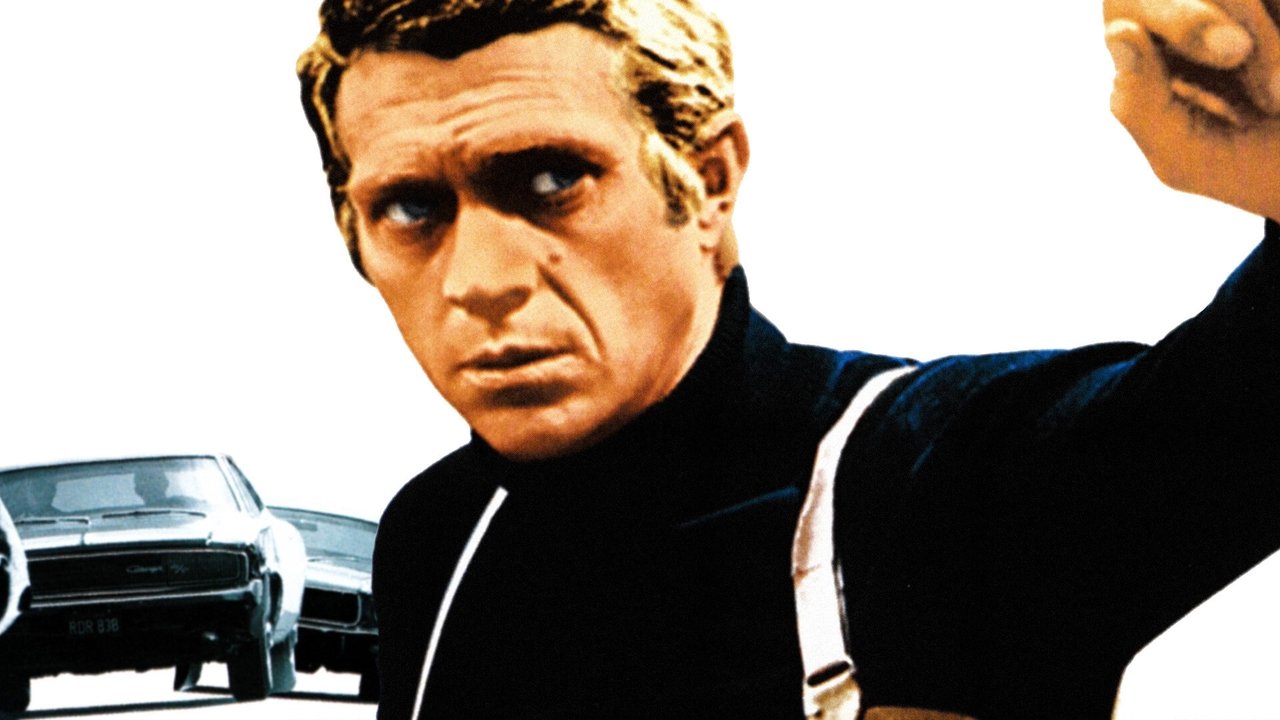
To understand Bullitt, you have to understand Steve McQueen. He wasn't just an actor; he was a guy who actually raced cars and bikes, and that authenticity bleeds through the screen. When you see him behind the wheel of that Highland Green Mustang GT, he isn't faking the gear shifts. That matters because it gives the film a weight that modern action movies lack.
Why the Chase Still Works
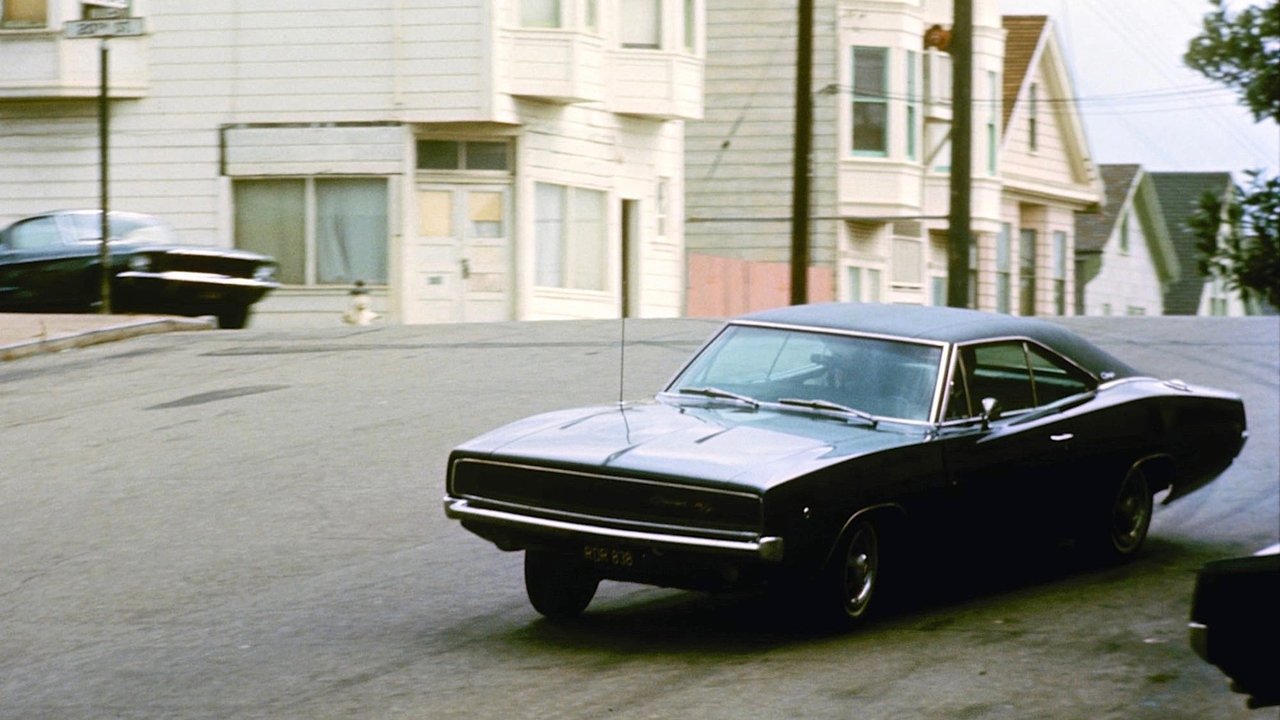
Most modern car chases are a mess of quick cuts and green screens. Bullitt does the opposite. Director Peter Yates keeps the camera low to the asphalt and uses long takes so you can actually see the physics of the cars jumping over the San Francisco hills. There is no music during the chase—just the roar of the engines and the screech of the tires. It’s a masterclass in tension that every aspiring filmmaker should study.
The 'Boring' Parts are the Point
If you're watching this with a teenager, they're going to ask when the action starts. The movie is a 'slow burn' in the truest sense. It’s interested in the process of police work—the waiting, the phone calls, the hospital corridors. It’s not a superhero movie where the hero is always three steps ahead. Bullitt is just a guy doing his job while being squeezed by a greasy politician played by Robert Vaughn. It’s a great entry point for talking about integrity and the difference between 'doing your job' and 'doing the right thing.'
"That's where it is, Chalmers. You work your side of the street and I'll work mine."
If your kid liked the driving in Baby Driver or the stoicism of the John Wick series, show them where it all started. Just don't be surprised if they want a vintage Mustang for their first car.