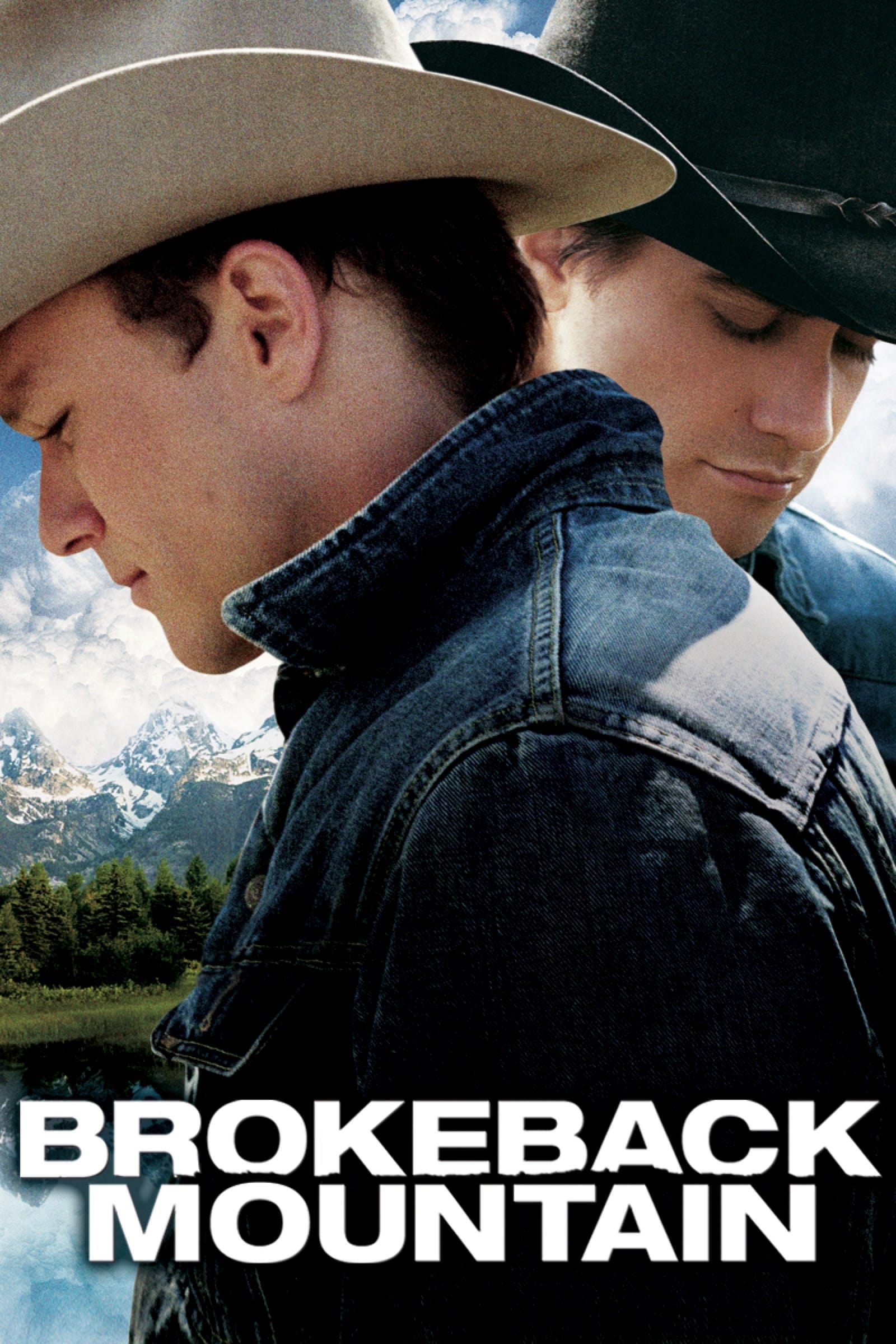
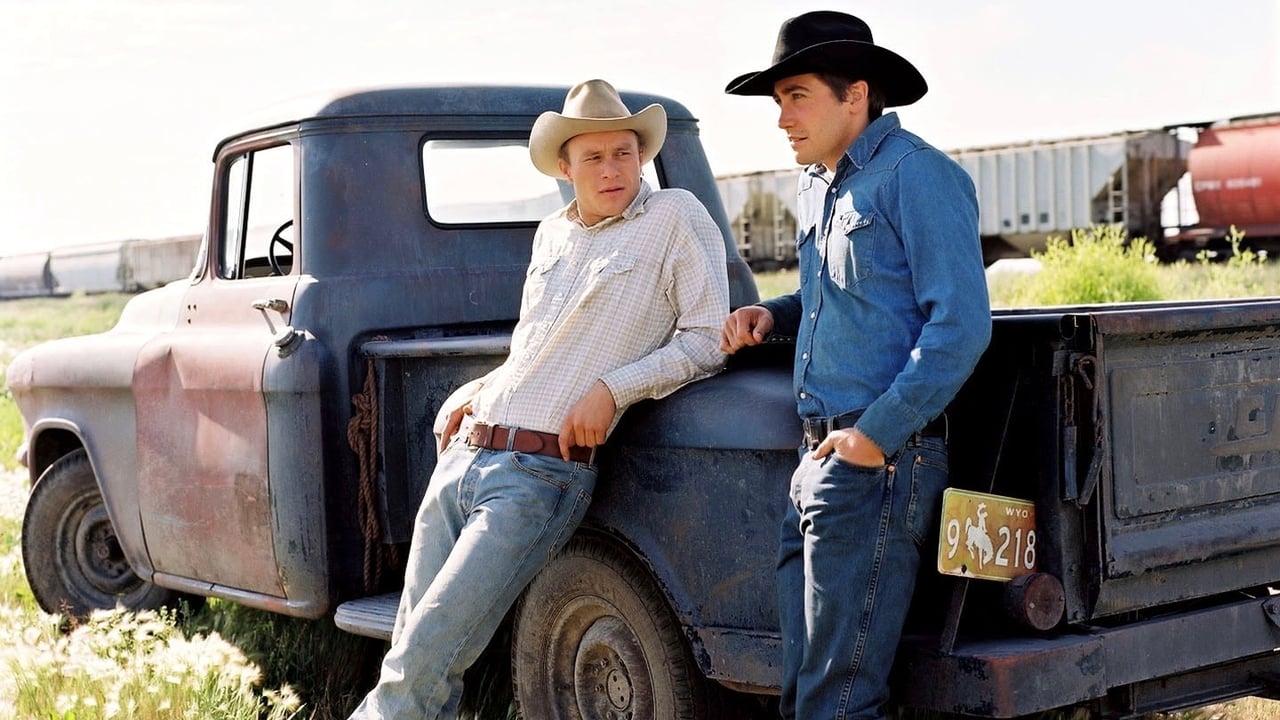
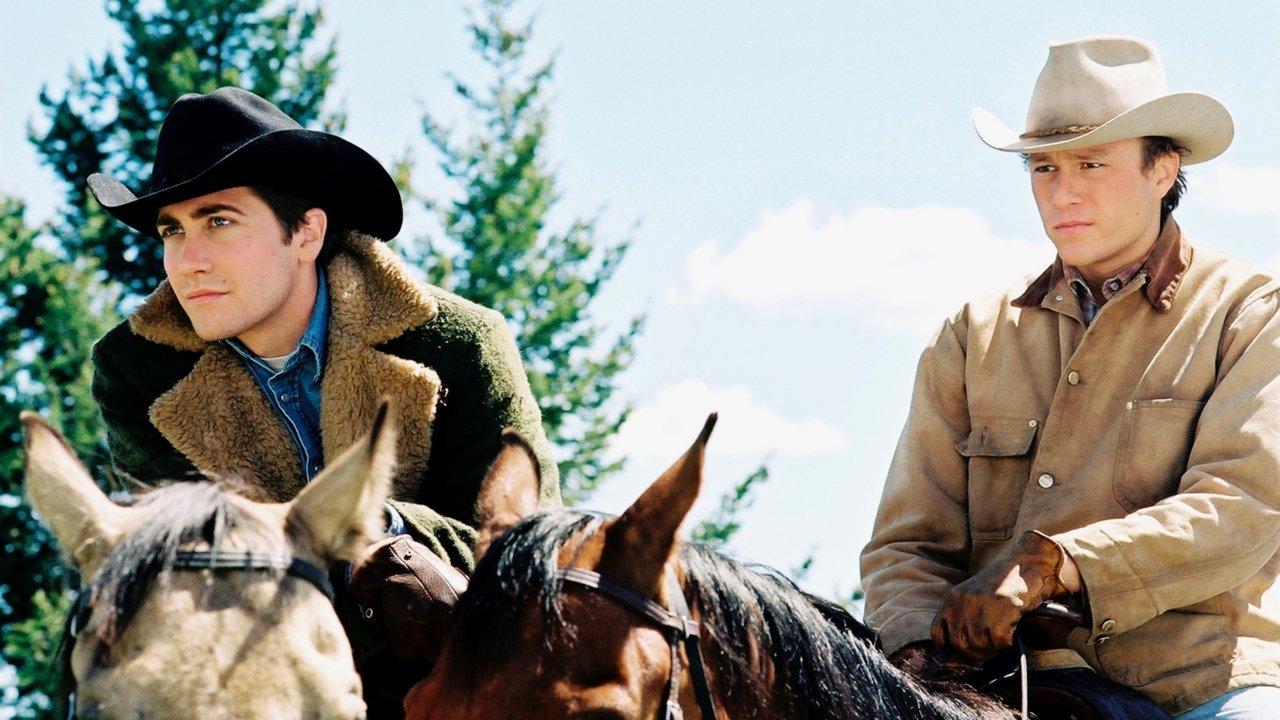
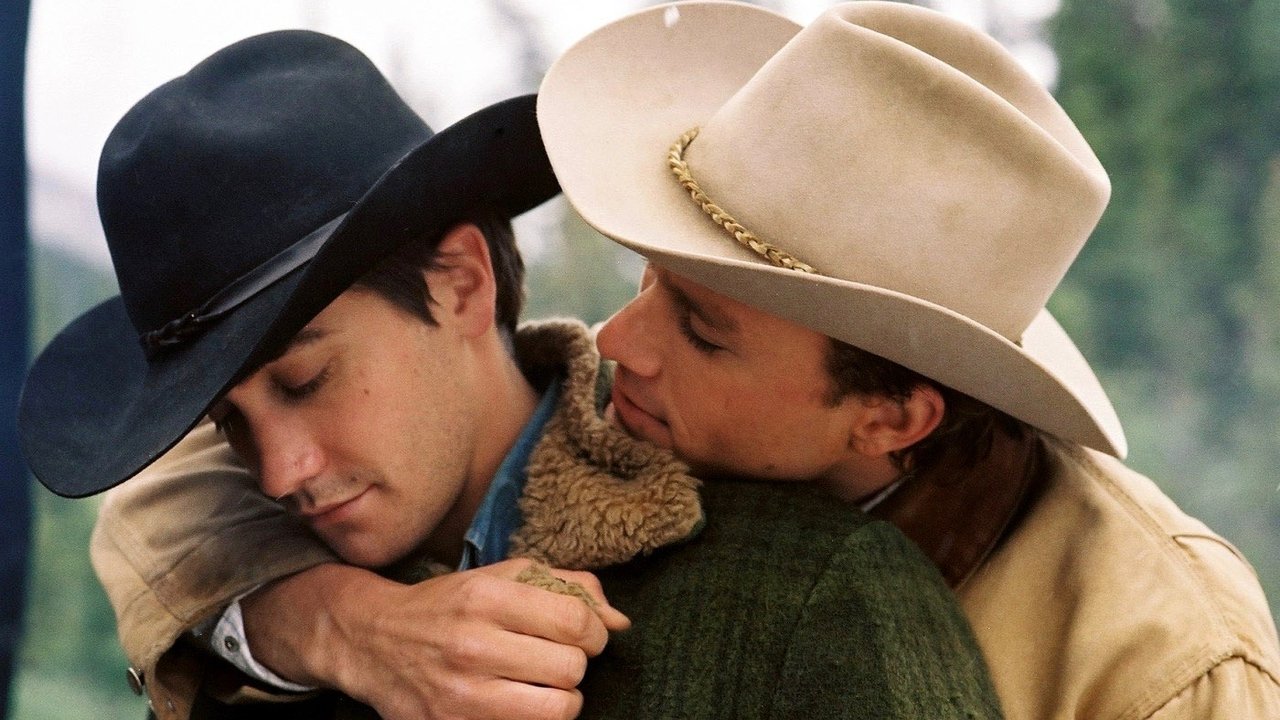
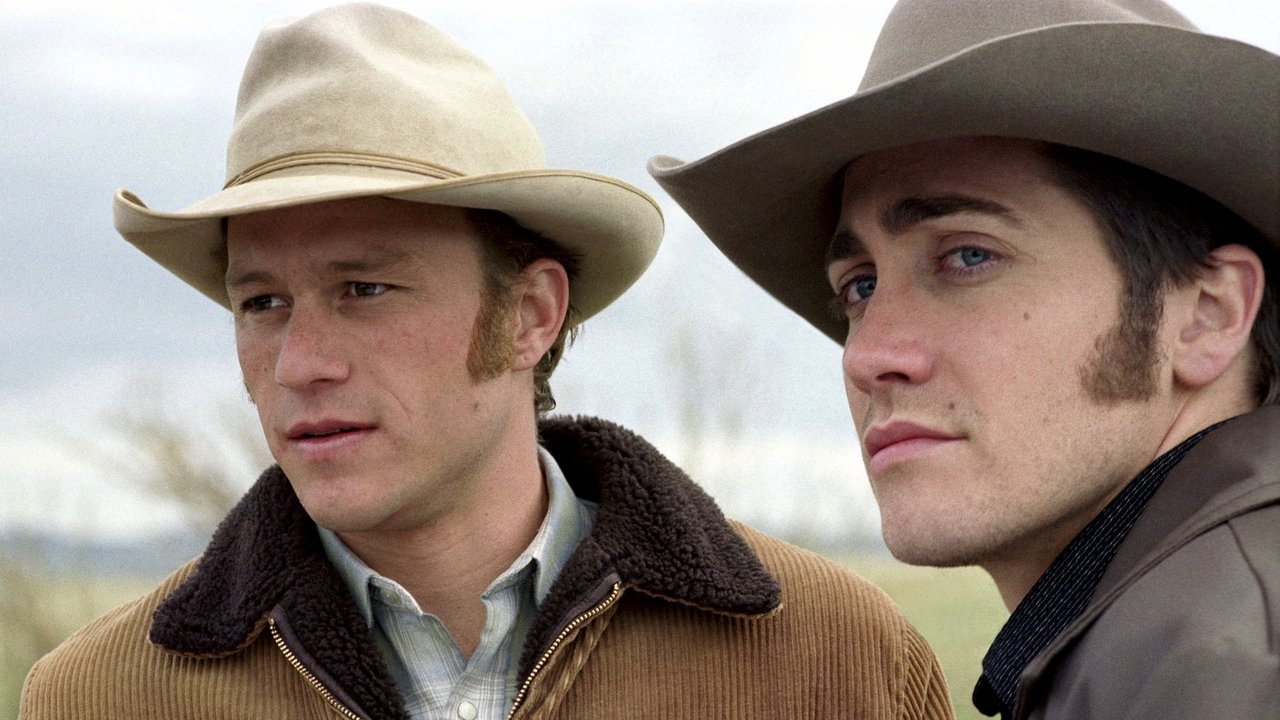
People still talk about this movie twenty years later because it’s the ultimate litmus test for empathy. While it carries high scores across the board—including a massive 87 on Metacritic—it’s a demanding watch. It’s not just the subject matter; it’s the silence. This is a film where what isn’t said matters way more than the dialogue.
The "Spicy" Scenery
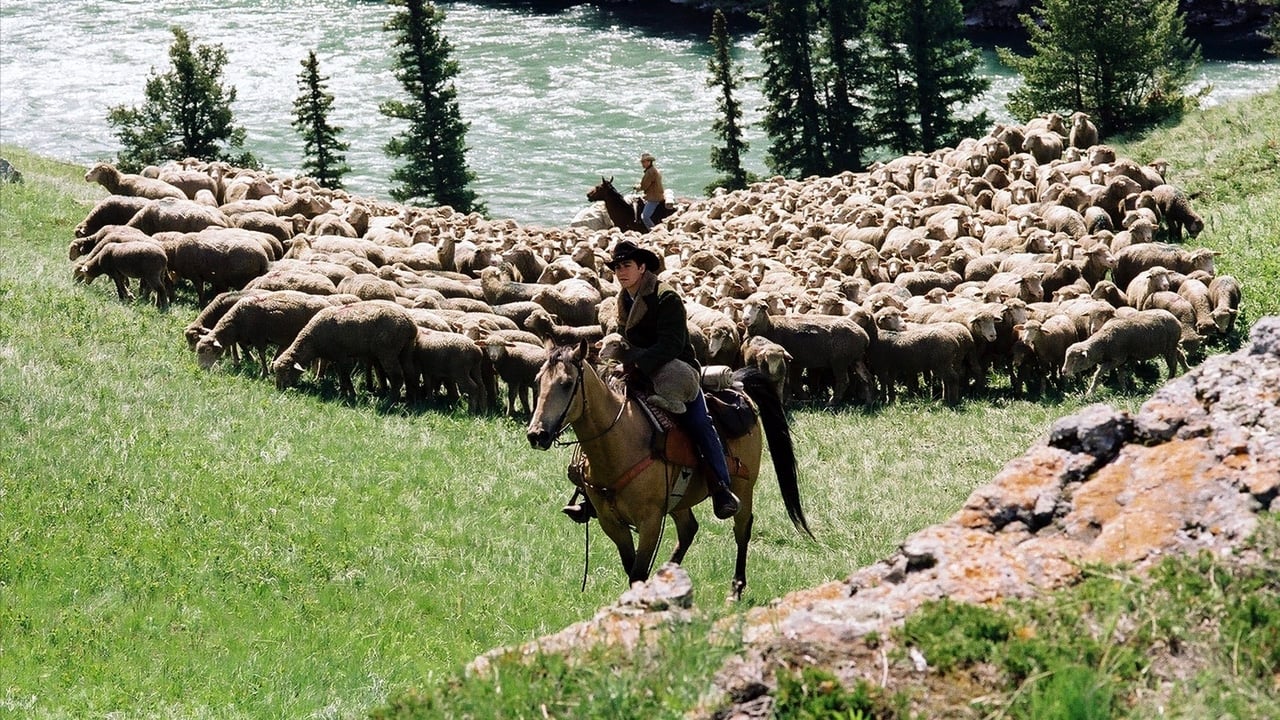
The cinematography is legendary, turning the rugged landscape into a character that is both a sanctuary and a prison. If your teen is used to seeing the American West as a backdrop for action or adventure, this is a sharp pivot. It falls squarely into the category of spicy shows and movies set in national parks where the environment is beautiful but the human drama is incredibly adult. The "spiciness" here isn't for titillation; it’s there to show the desperation of two people who have nowhere else to be themselves.
Why the 16+ Rating Sticks
Common Sense tags this at 15, but 16 or 17 is the sweet spot. Younger teens might get the plot, but the sheer weight of the repression is hard to grasp without a bit more life experience. It’s a slow burn. If your kid lives for fast-paced edits and constant "lore," they will probably find the first forty minutes boring. But for a student interested in film as an art form, the way the actors use body language to show men literally bursting at the seams is a masterclass.
The "If They Liked X" Test
If your teen was moved by the more grounded, tragic episodes of recent prestige survival shows or appreciates stories where the "hero" doesn't actually win, this is the blueprint. It’s the opposite of a "coming out" story where everything gets better. It’s a tragedy in the classical sense. We’re watching a car crash in slow motion that takes twenty years to happen.
If you’re watching this together, don't expect a big "teaching moment" chat immediately after. The credits roll on a very quiet, very sad note. Most people need an hour just to process the ending before they want to talk about the social implications of 1960s Wyoming.