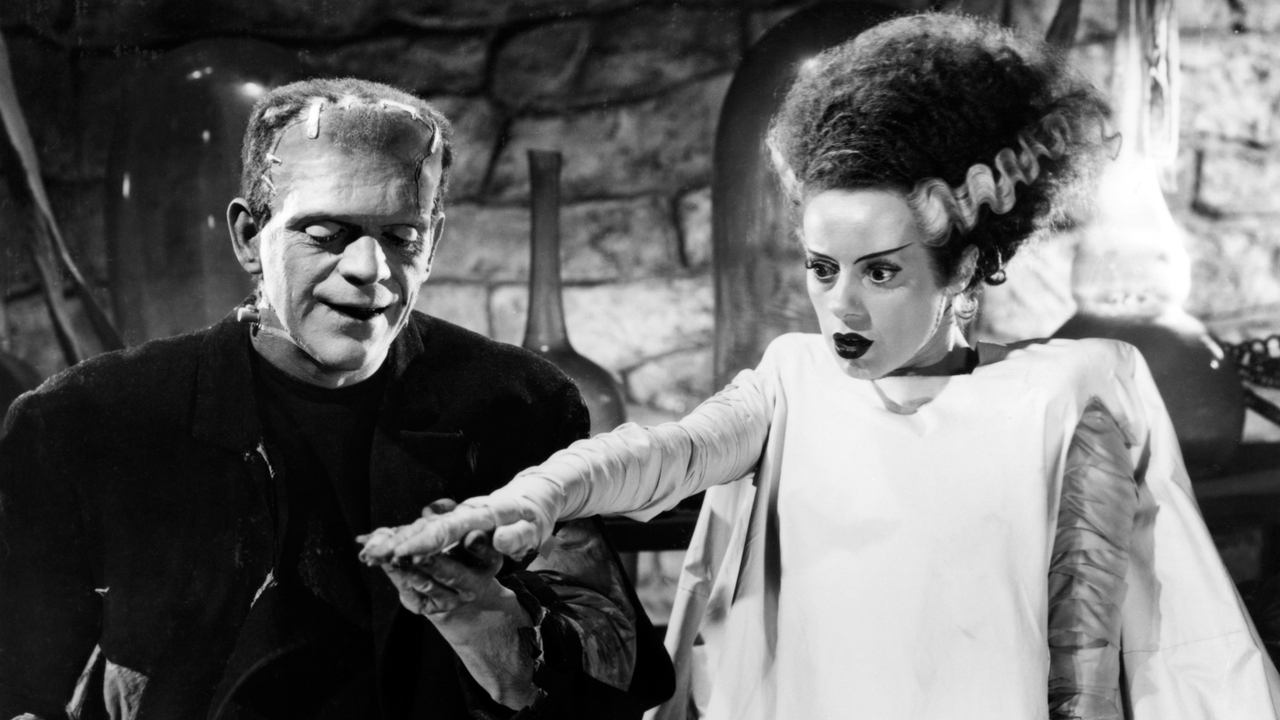
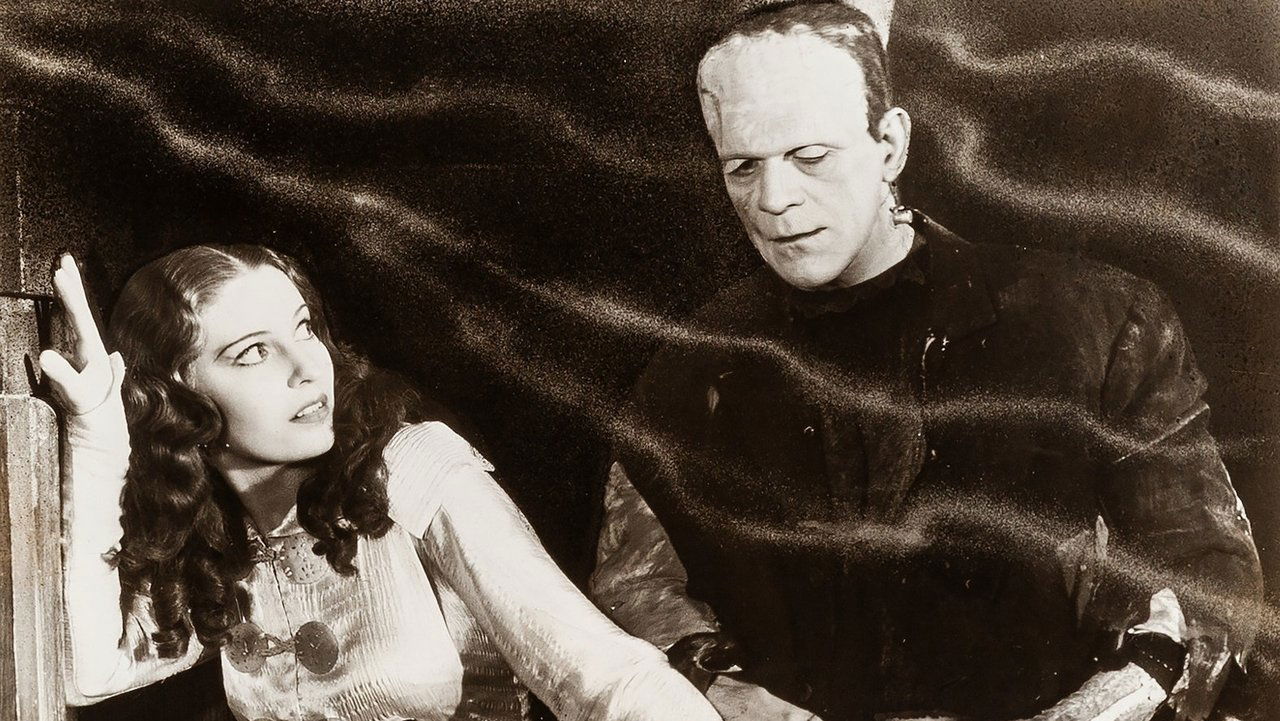
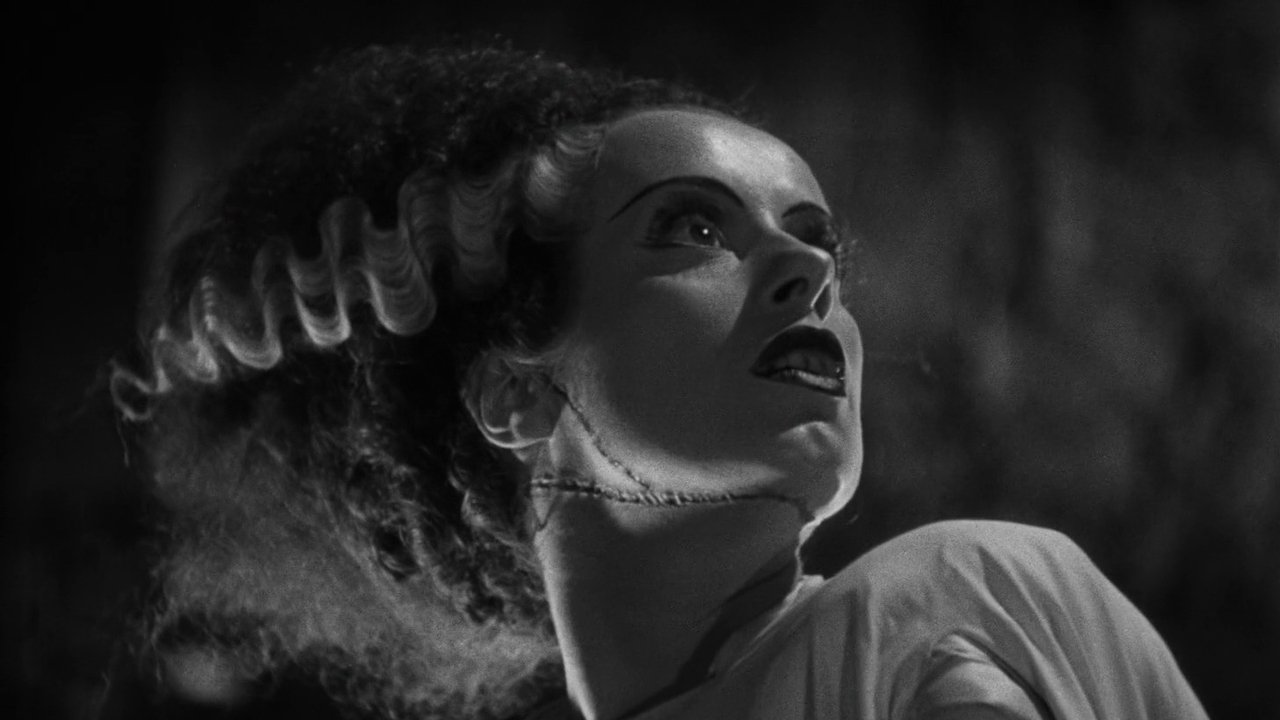
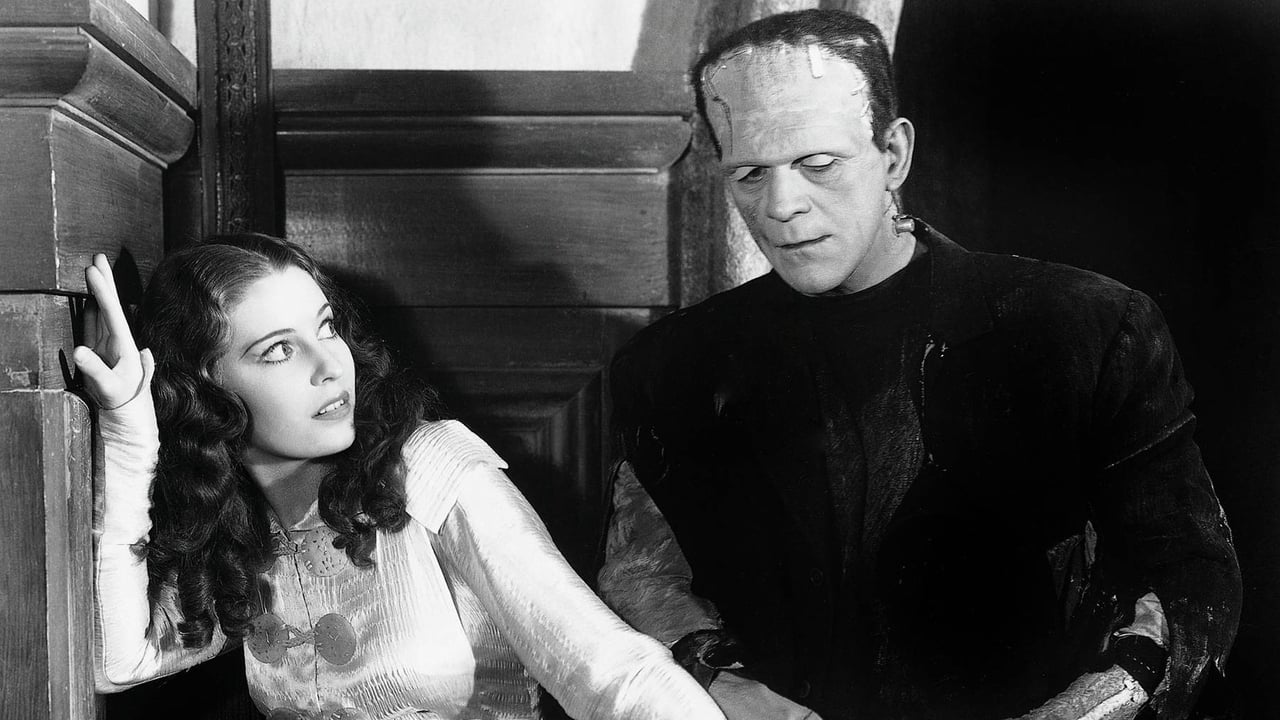
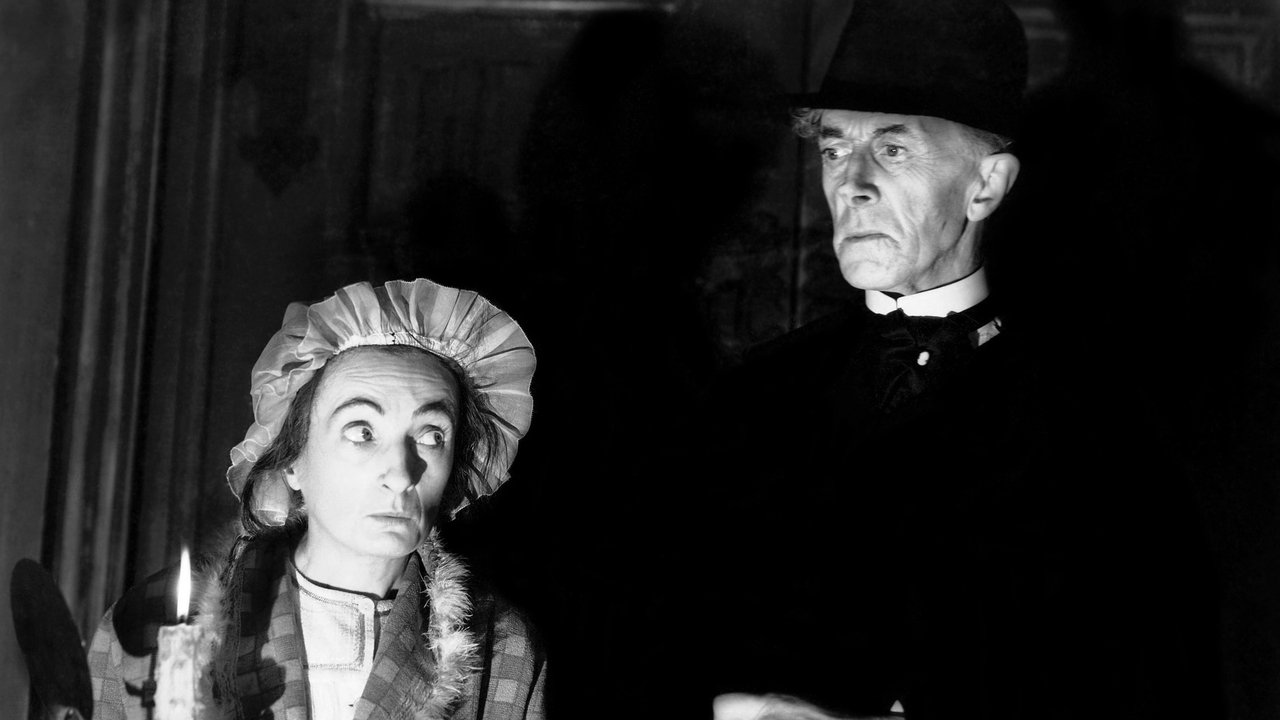
If you’re worried about showing your kid a movie from 1935, let go of the idea that this is a dusty museum piece. It is surprisingly weird. While the first film is a standard-bearer for the genre—as we cover in our Frankenstein (1931): A Parent’s Guide to the Original Monster Movie—the sequel is where the franchise actually finds its soul. It’s a blend of high-key camp, genuine tragedy, and laboratory sets that still look better than half the CGI backgrounds we see today.
The sequel that actually works
Most sequels are lazy cash grabs, but critics and fans on Reddit generally agree that Bride is the superior film. It takes the "mindless brute" from the first movie and gives him a personality, a voice, and a very relatable sense of loneliness. If your kid has ever felt like the odd one out at school, they’re going to find the Monster’s quest for a friend unexpectedly moving.
It’s also much faster than you’d expect. The runtime is lean, and James Whale’s direction keeps things moving with an eccentric energy that feels closer to a Tim Burton movie than a slow-burn 1930s drama.
It’s funnier than you think
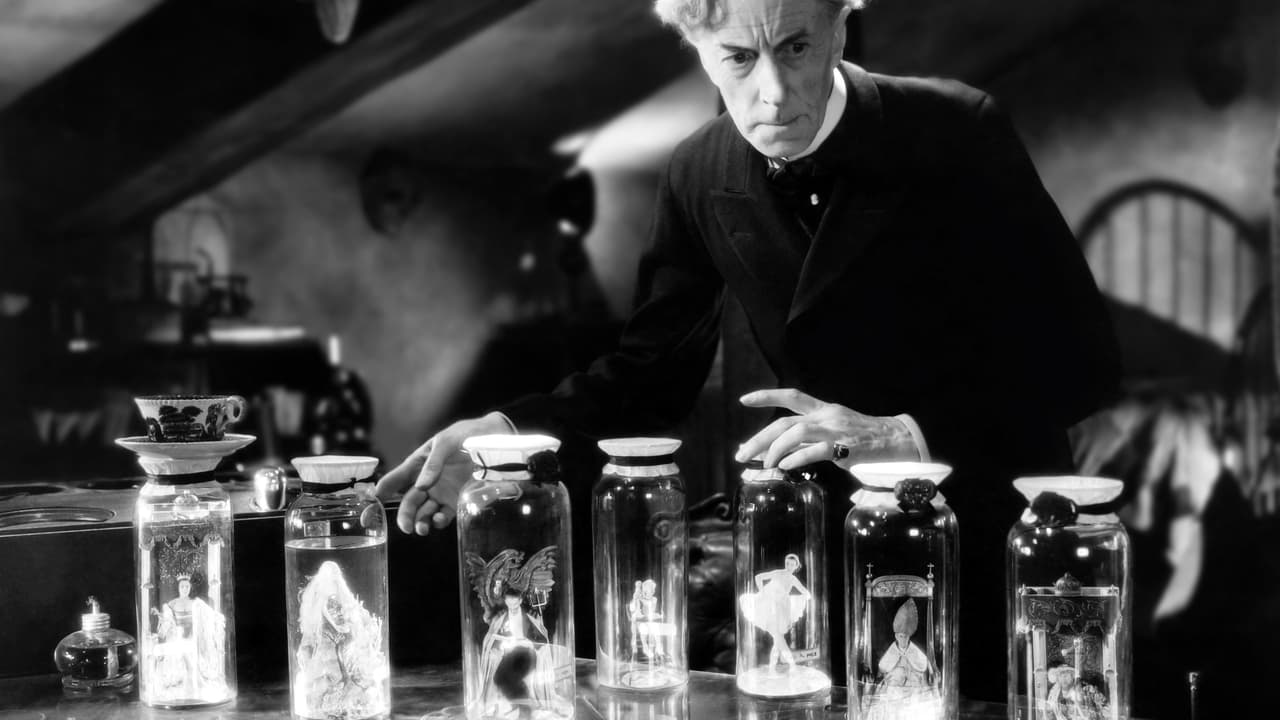
We don't usually associate "Classic Universal Horror" with comedy, but this movie is funny. There’s a streak of dark, campy humor running through it, mostly thanks to Dr. Frankenstein’s former mentor. He’s the quintessential "mad scientist" archetype, but played with a theatrical flair that keeps the movie from feeling too grim.
The humor helps balance the more gothic elements. Yes, they are digging up graves and talking about the mechanics of mortality, but the movie never feels like a lecture. It’s a "popcorn movie" from an era before that term existed. If your kid liked the quirky, dark vibes of The Nightmare Before Christmas or Wednesday, this is the original DNA for that specific aesthetic.
Why the "Bride" matters
Even though she only appears for a few minutes at the very end, the Bride is a legend for a reason. Her reaction to the Monster is the movie’s most honest moment. It’s a sharp, painful lesson in the fact that you can’t force a connection, even if you literally build someone to be your friend.
It’s an ending that sticks with you because it’s a bit of a downer, but it’s the "right" kind of downer. It invites a conversation about whether the Monster is actually the villain, or if the real monsters are the people who keep trying to play God in a lab. For a movie approaching a century old, that question hasn't aged a day.