The Thinking Person's Platformer
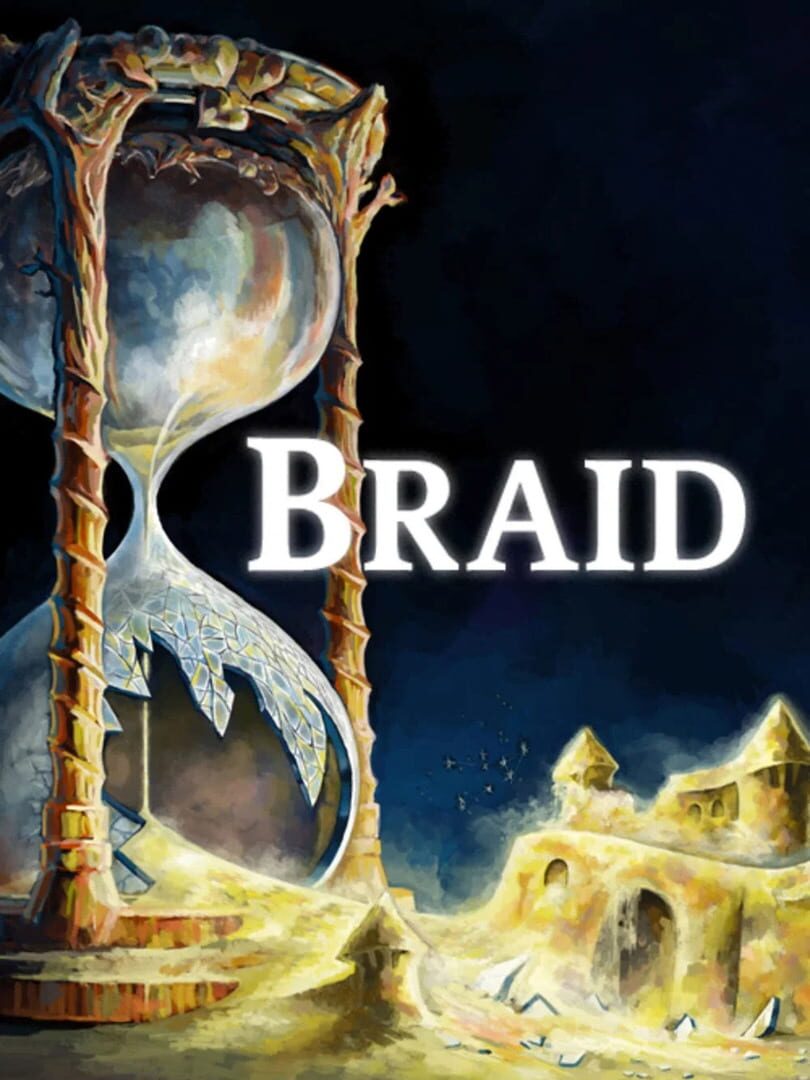
When Braid first landed in 2008, it blew the doors off the industry. It took the most basic video game trope—Super Mario saving a princess—and deconstructed it using high-level physics and philosophy. In 2026, it remains just as relevant, especially with the Anniversary Edition offering a crisp visual overhaul and some of the best developer commentary ever recorded.
Mechanics as Metaphor
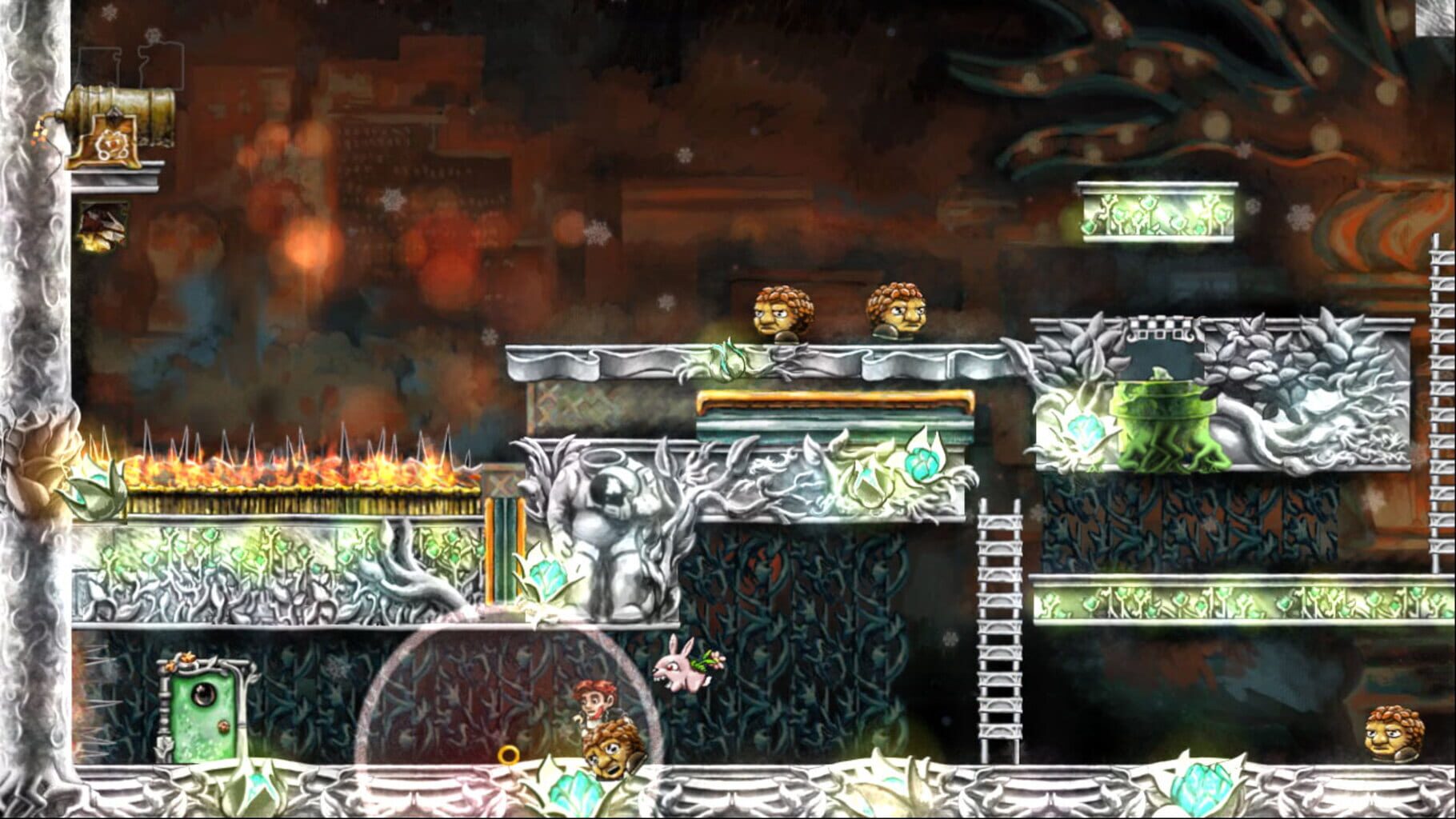
Each world in Braid introduces a new time mechanic. In one, time only moves when you move right. In another, you have a ring that creates a bubble of slowed time. These aren't just gimmicks; they are tightly integrated into the puzzles. You can't 'twitch' your way through this game with fast reflexes. You have to understand the rules of the world. For a kid, this is a massive workout for the prefrontal cortex.
The 'Aged' Factor
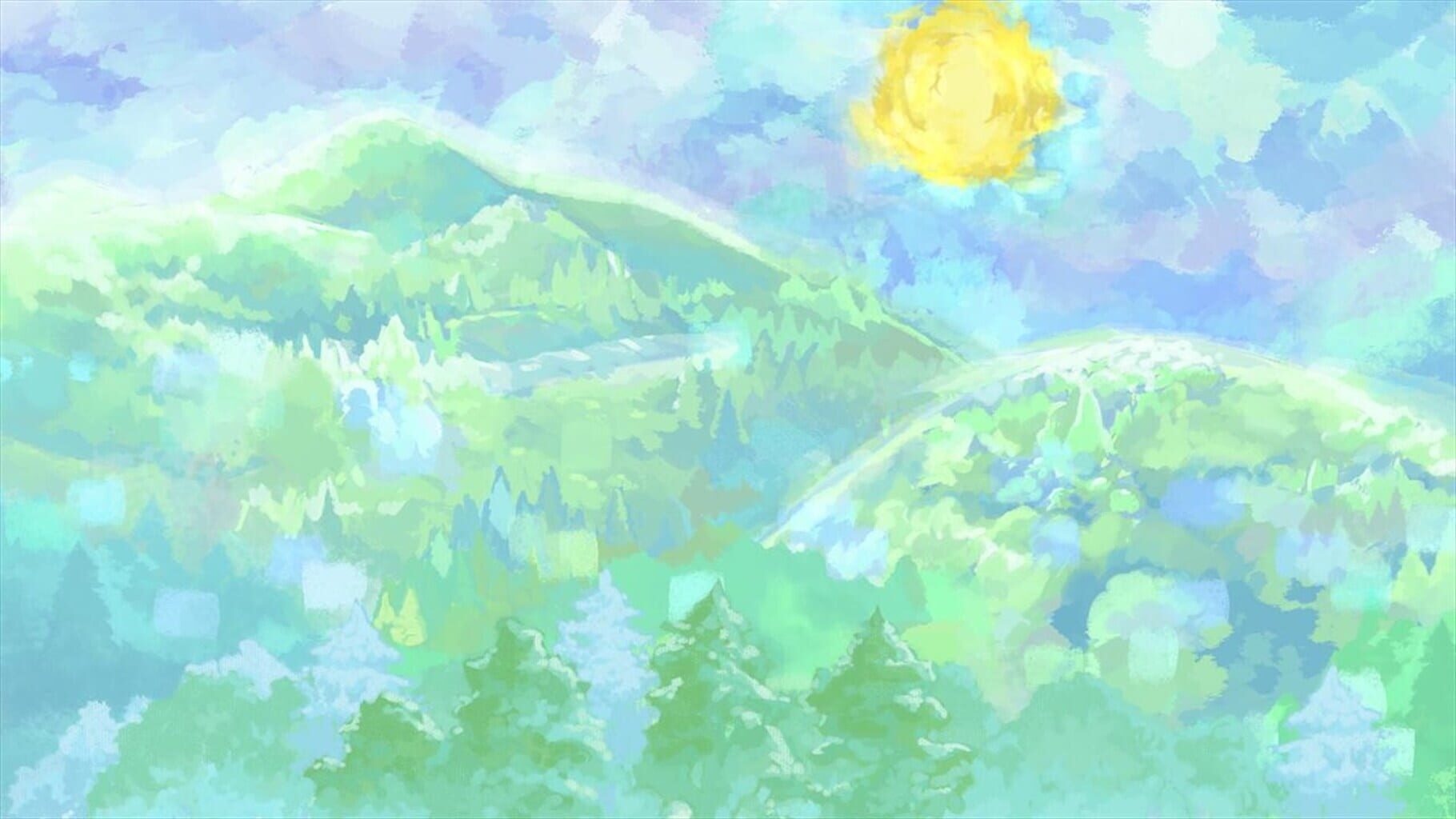
Some critics argue that Braid is 'pretentious' or that its creator, Jonathan Blow, is too high-concept for his own good. While the text fragments between levels can be a bit dense, the core gameplay is timeless. Unlike early 3D games from the same era that look like blurry blocks today, Braid’s hand-painted aesthetic has aged gracefully. It feels like a living illustration.
A Lesson in Persistence
This is a great game to play with your child, but not necessarily for them. The temptation to look up solutions on YouTube will be huge. Resist it. The 'Aha!' moment in Braid is one of the most satisfying feelings in gaming. It teaches a kid that being stuck isn't a failure—it's just the state you're in right before you learn something new.