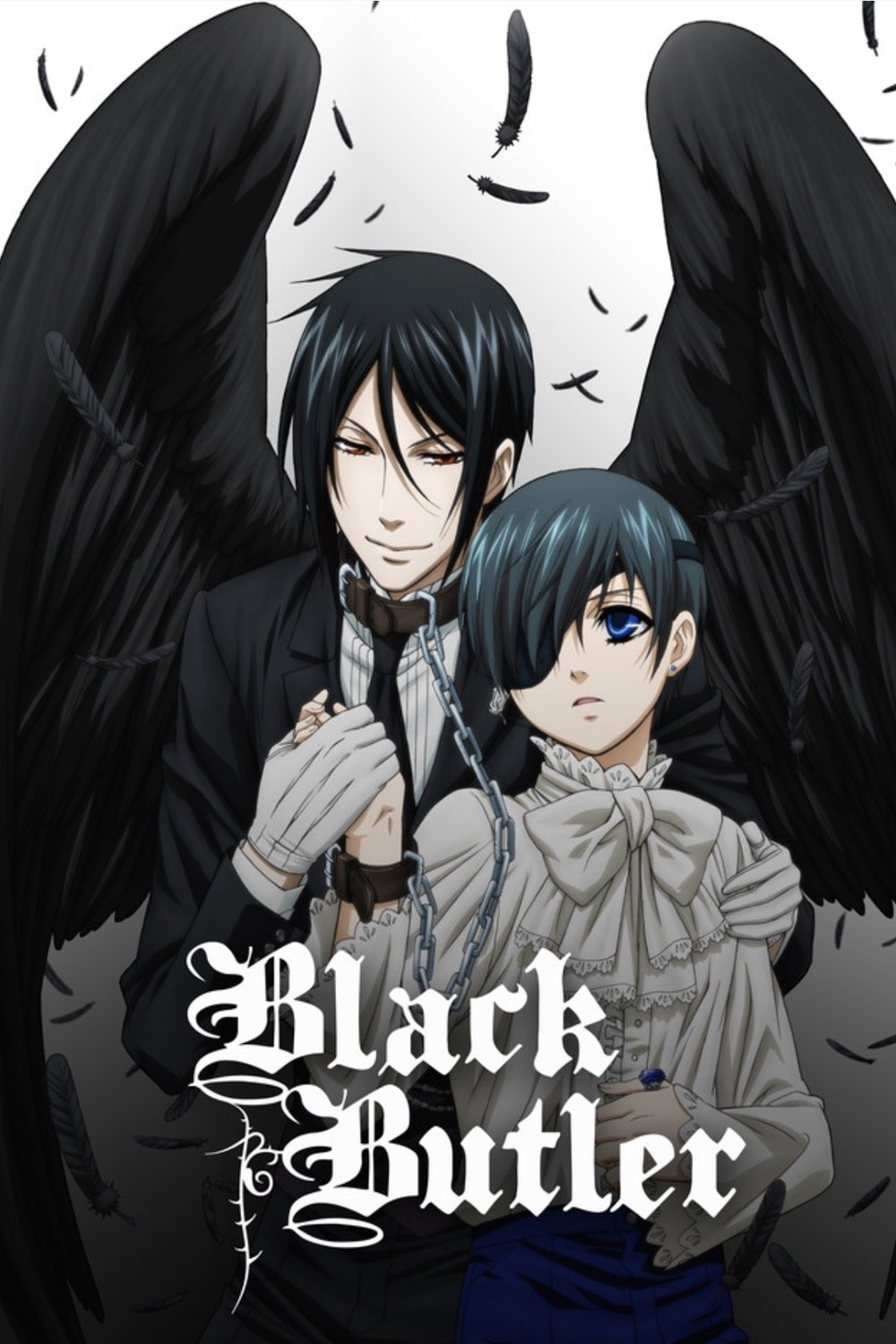
The "gateway" for the dark academia crowd
If your teen spends any time on the "dark academia" side of social media, they have already seen Ciel Phantomhive. This show is the aesthetic blueprint for a specific type of moody, Victorian-obsessed fandom. It’s a mix of high-end tea culture, sharp tailoring, and absolute nihilism.
The setup is a classic "be careful what you wish for" scenario. Ciel is a twelve-year-old who has already seen the worst of humanity, so he makes a deal with a demon to get his revenge. The demon, Sebastian, acts as his butler. It’s a transactional relationship: Sebastian protects him and cleans the silver, and once the revenge is complete, he eats Ciel’s soul. This isn't a show about a kid learning a lesson or growing up. It’s a show about a kid who has already decided his life is over and just wants to settle the score.
The Death Note connection
If you are trying to gauge if your kid is ready for this, look at how they handled Death Note. Both shows feature a protagonist who makes a supernatural pact to enforce their own version of justice. They both lean heavily into a "cat and mouse" intellectual style of storytelling.
However, Black Butler is arguably much grimmer. While Death Note is a psychological thriller, this show frequently veers into horror. The "Book of Circus" arc is particularly notorious for its depiction of what happens to missing children. It doesn't shy away from the fact that Victorian London was a brutal place for anyone without a title. If they haven't seen the parental guide on IMDb, it’s worth a look just to see the sheer volume of "frightening and intense" tags.
Tonal whiplash and the "cringe" factor
One thing that might confuse a parent watching over a shoulder is the comedy. The show has a bizarre habit of sandwiching scenes of graphic violence between slapstick routines involving Ciel’s other servants. It can feel jarring. One minute a character is being tortured for information, and the next, a clumsy chef is blowing up the kitchen with a flamethrower for a laugh.
You also need to be aware of the "fan service" element. The show is designed to make Sebastian look incredibly cool and attractive, often in ways that feel a bit thirsty. Because Ciel is a child and Sebastian is an adult-appearing demon, the power dynamic can feel uncomfortable to some viewers. The show plays with this tension constantly. It’s not "explicit" in a traditional sense, but the vibes are intentionally provocative.
How to use it well
This is a great series for talking about the concept of the "anti-hero." Ciel isn't a good person. He’s arrogant, cold, and often cruel. Asking a teen why they are rooting for him—or if they even are rooting for him—can lead to some interesting conversations about why we find "dark" characters so compelling.
It’s also a decent jumping-off point for actual history, provided you point out that the real Victorian London didn't have quite so many demons in waistcoats. If they like the mystery aspect, they’re effectively a step away from reading actual Gothic literature or Sherlock Holmes. Just be prepared for them to start asking for expensive Earl Grey tea and a very specific type of overcoat.