The beautiful, terrible lie
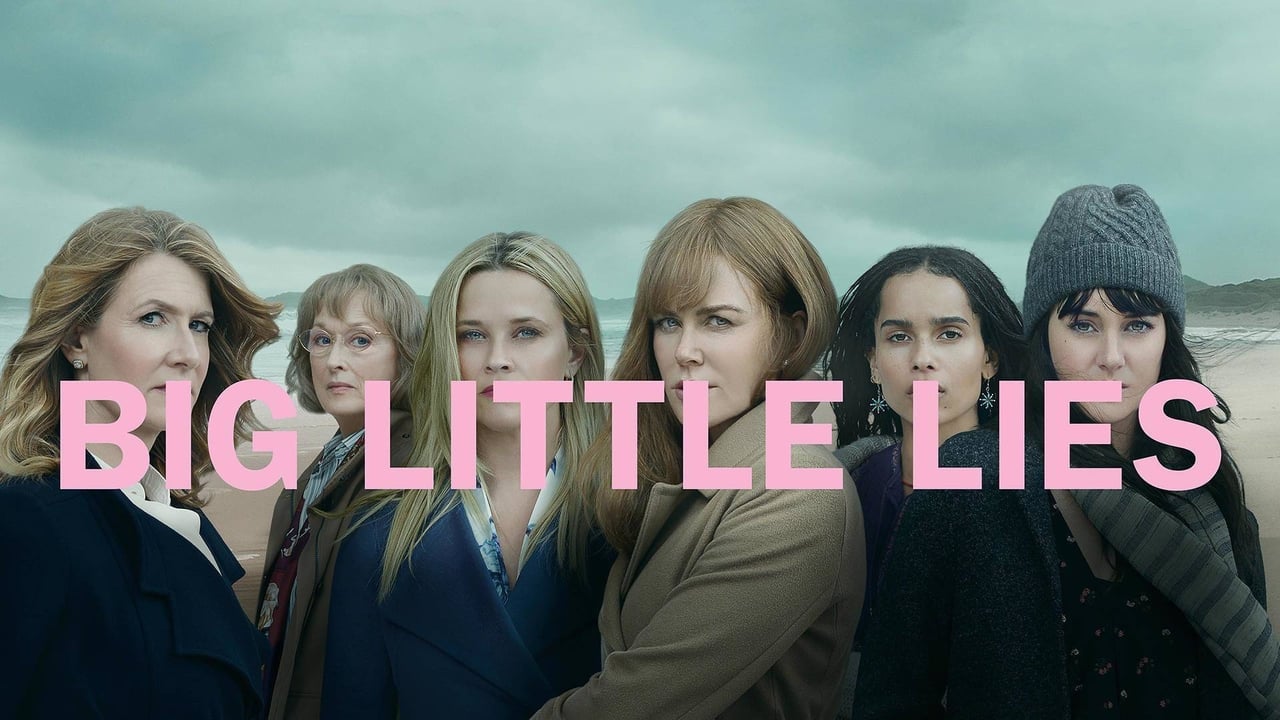
It is easy to mistake this show for a glossy soap opera about rich people behaving badly. The houses are architectural dreams, the Monterey coastline is permanent mood-board material, and the soundtrack is curated with surgical precision. But the aesthetic is a Trojan horse. Once you’re inside, the show reveals itself as a brutal, unflinching study of how women carry secrets.
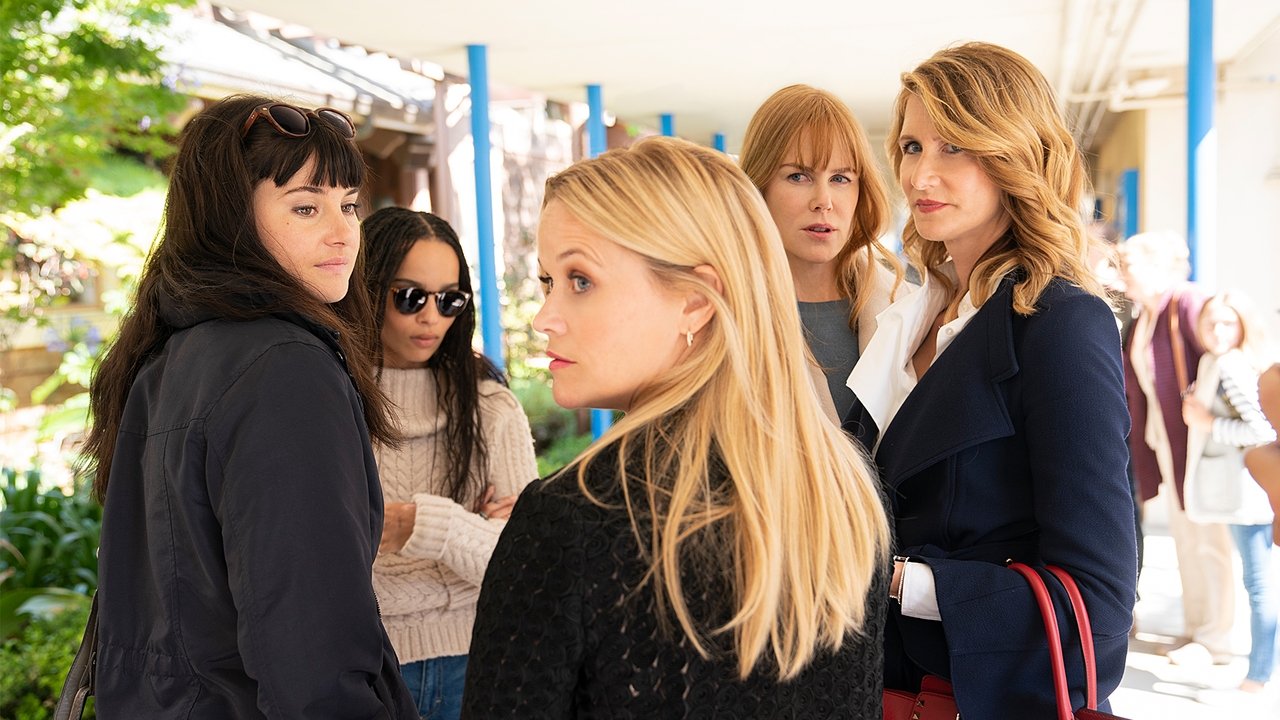
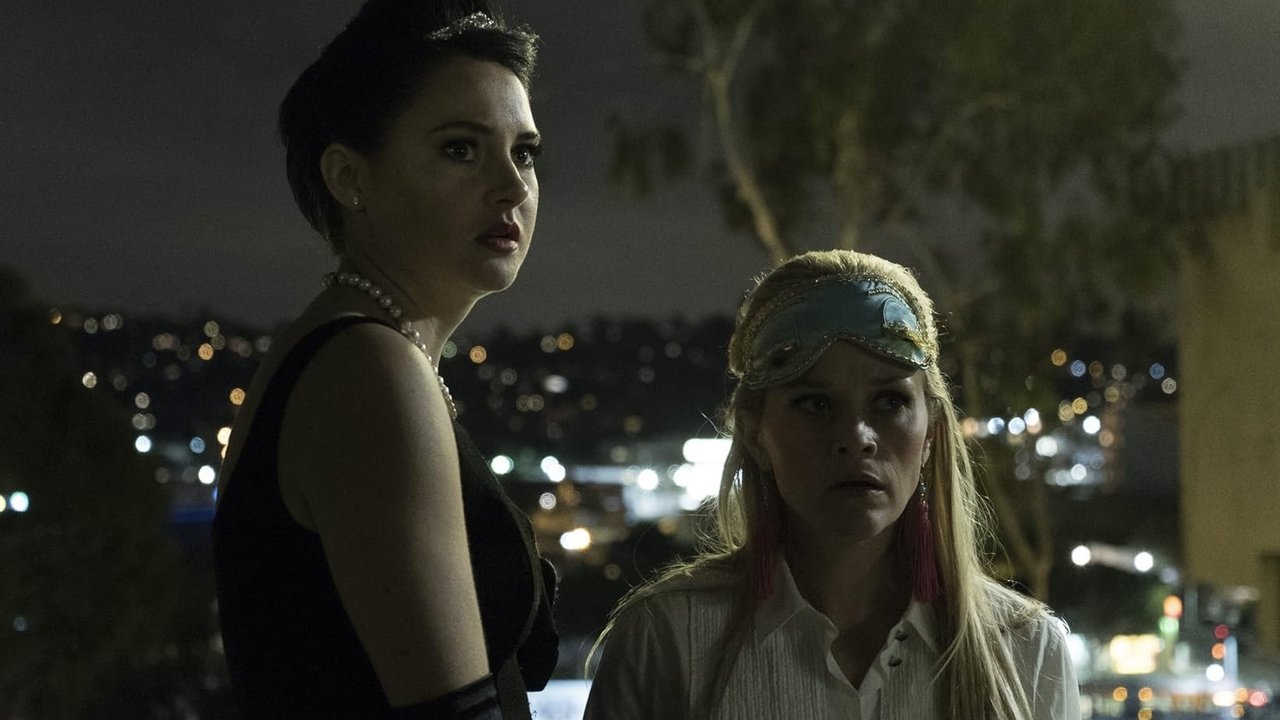
The mystery of who died at the trivia night fundraiser is almost secondary. The real hook is the psychological warfare happening at the school pick-up line. It captures that specific, high-stakes anxiety of modern parenting where every interaction feels like a performance. If you’ve ever felt like you’re failing while everyone else is thriving, this show will feel uncomfortably familiar.
The Witherspoon blueprint
If you want to understand why every other show on your streaming dashboard features a group of women with a dark secret and a coastal kitchen, look here. This series essentially launched The Reese Witherspoon Effect: Navigating the Hello Sunshine Empire, proving that there was a massive, underserved audience for high-budget dramas that put female friendships—and their complexities—at the dead center of the frame.
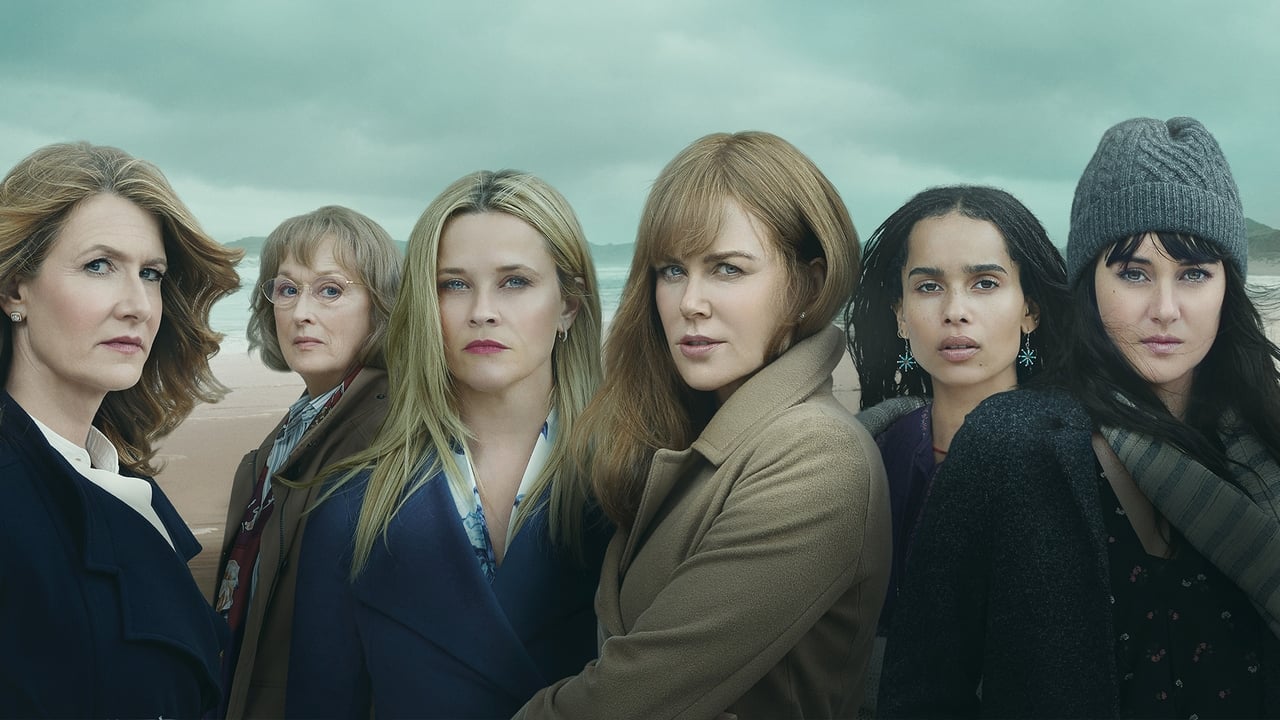
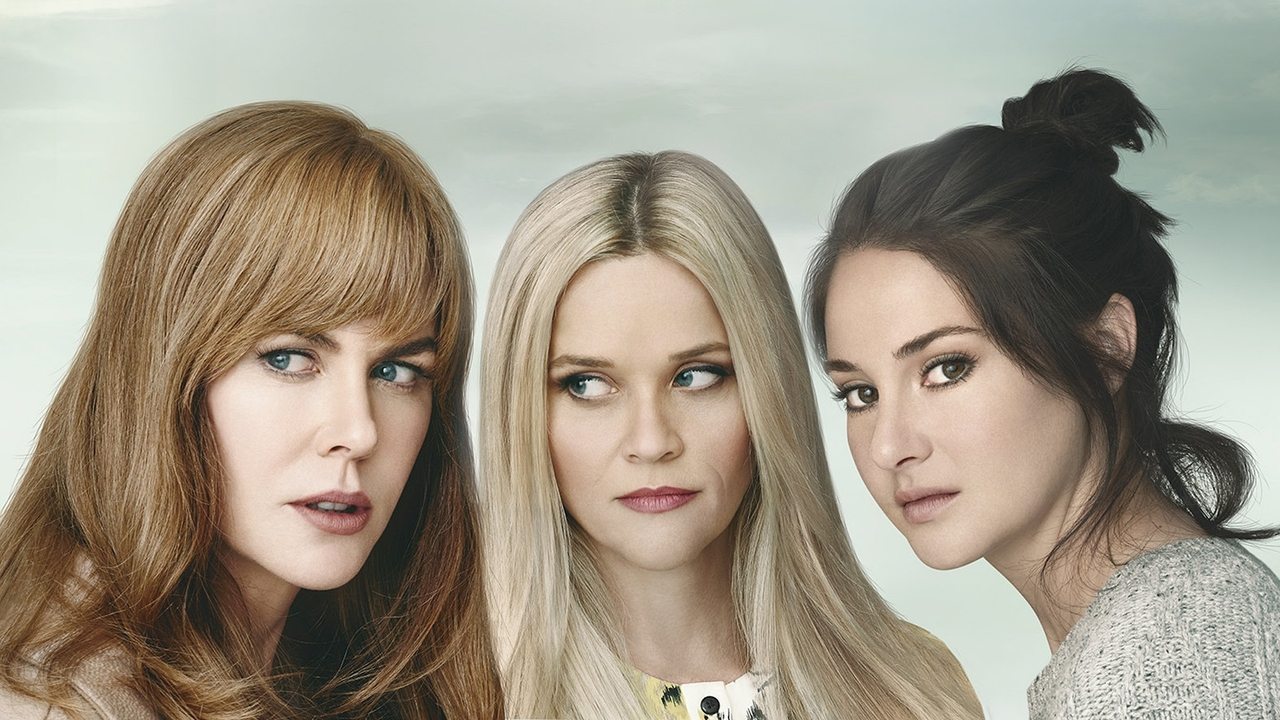
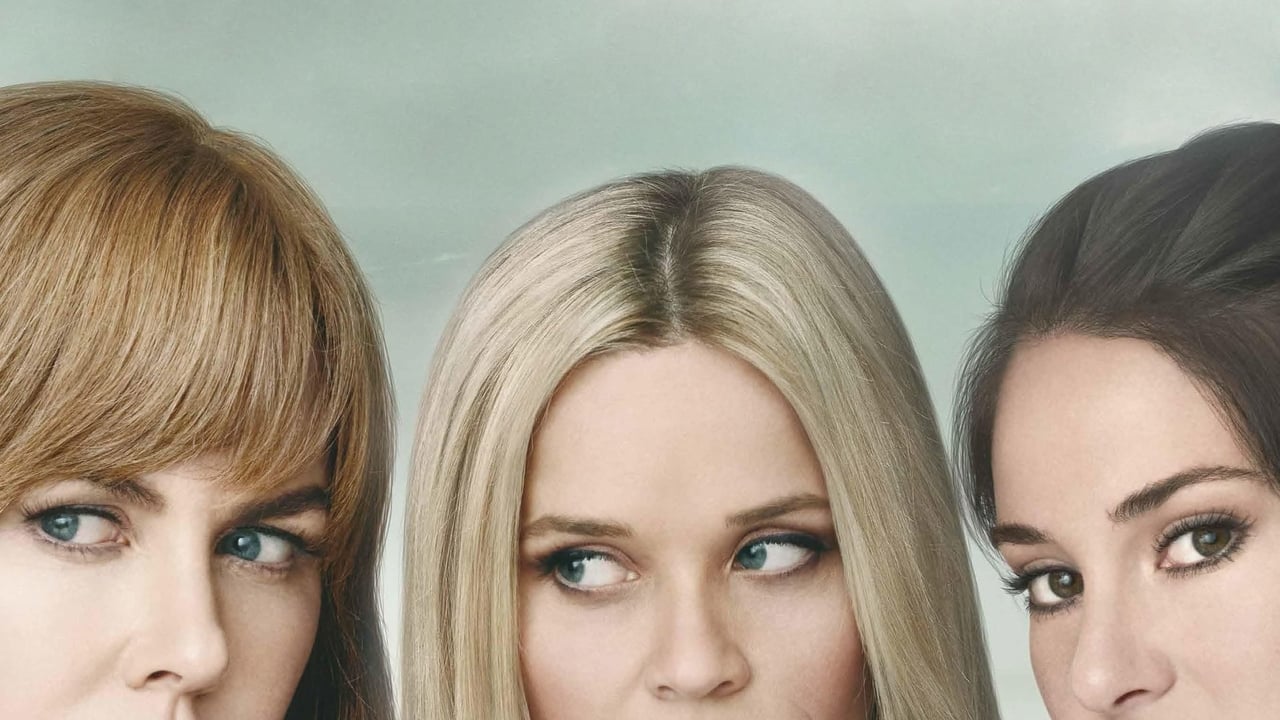
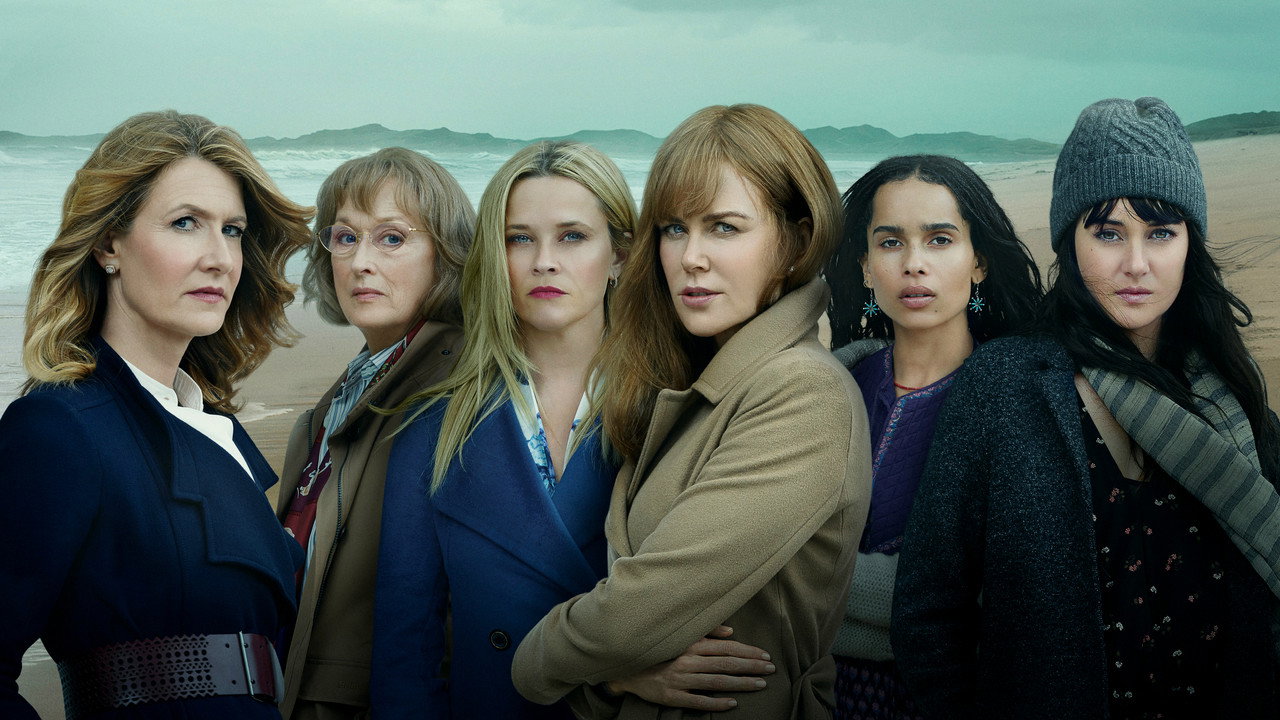
Witherspoon’s Madeline is the engine of the show, but the chemistry between the "Monterey Five" is what keeps it from drifting into melodrama. They aren't just archetypes; they are deeply flawed, often unlikeable, and fiercely protective. It’s a masterclass in how to adapt a page-turner novel into something that feels like high art.
The "mature teen" litmus test
While the age-fit note suggests 17+, that isn’t just because of the HBO-standard nudity. The show deals with the kind of domestic horror that is hard to shake. The scenes between Nicole Kidman and Alexander Skarsgård are visceral. They don't just show violence; they show the grooming, the gaslighting, and the confusing cycle of "honeymoon" periods that make leaving so difficult.
If you have an older teen who is a fan of Euphoria or Succession, they might appreciate the craft here, but be prepared for the heavy lifting. This isn't "fun" drama. It’s a conversation starter about consent and the long-term impact of trauma on a family unit. If they aren't ready to talk about the messier parts of marriage and power dynamics, wait another year.
Why we’re still talking about it in 2026
Even with the later additions to the cast—including a legendary turn by Meryl Streep that redefined the "nightmare mother-in-law" trope—the first season remains the gold standard. It’s a rare example of a "limited series" that actually felt complete, even if we eventually got more.
The show works because it respects its characters' intelligence. It doesn't rely on cheap twists; it relies on the fact that people are complicated. Whether you're here for the mystery or just to see some of the best actors of their generation scream at each other in beautiful kitchens, it delivers. Just make sure the kids are tucked away in bed before you hit play; this is strictly for the grown-ups.