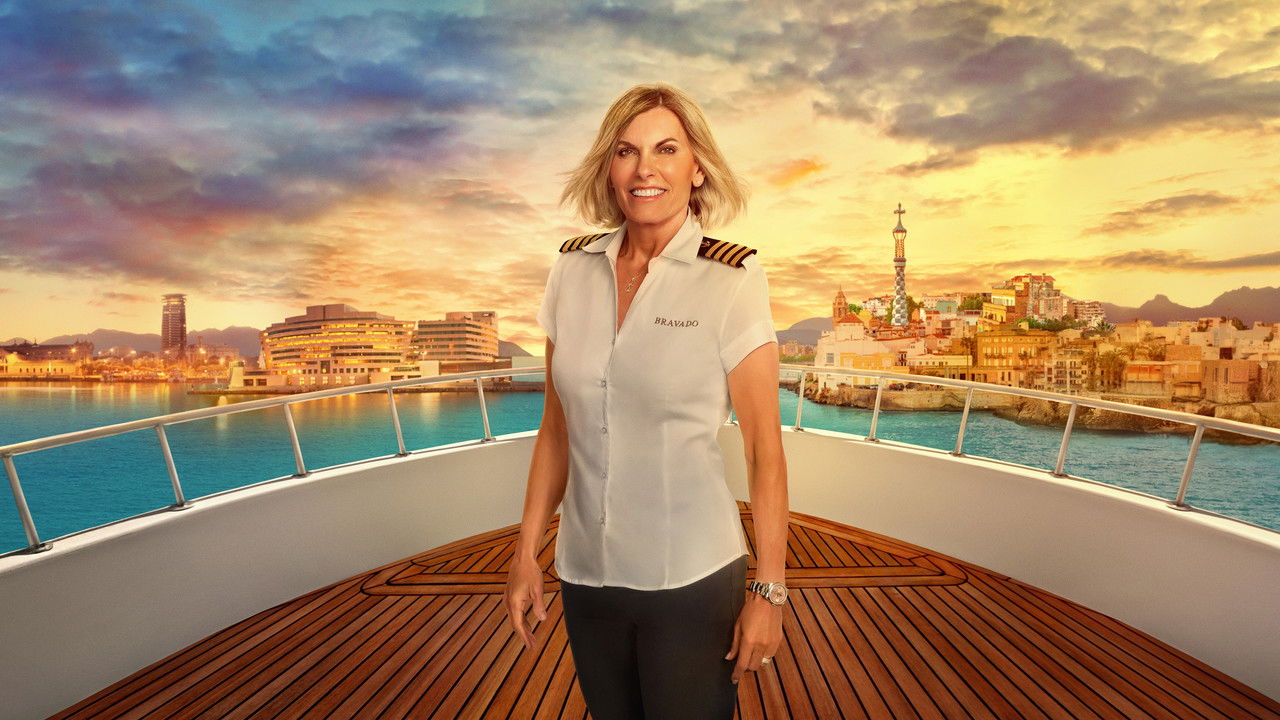
The Bravo Formula at Sea
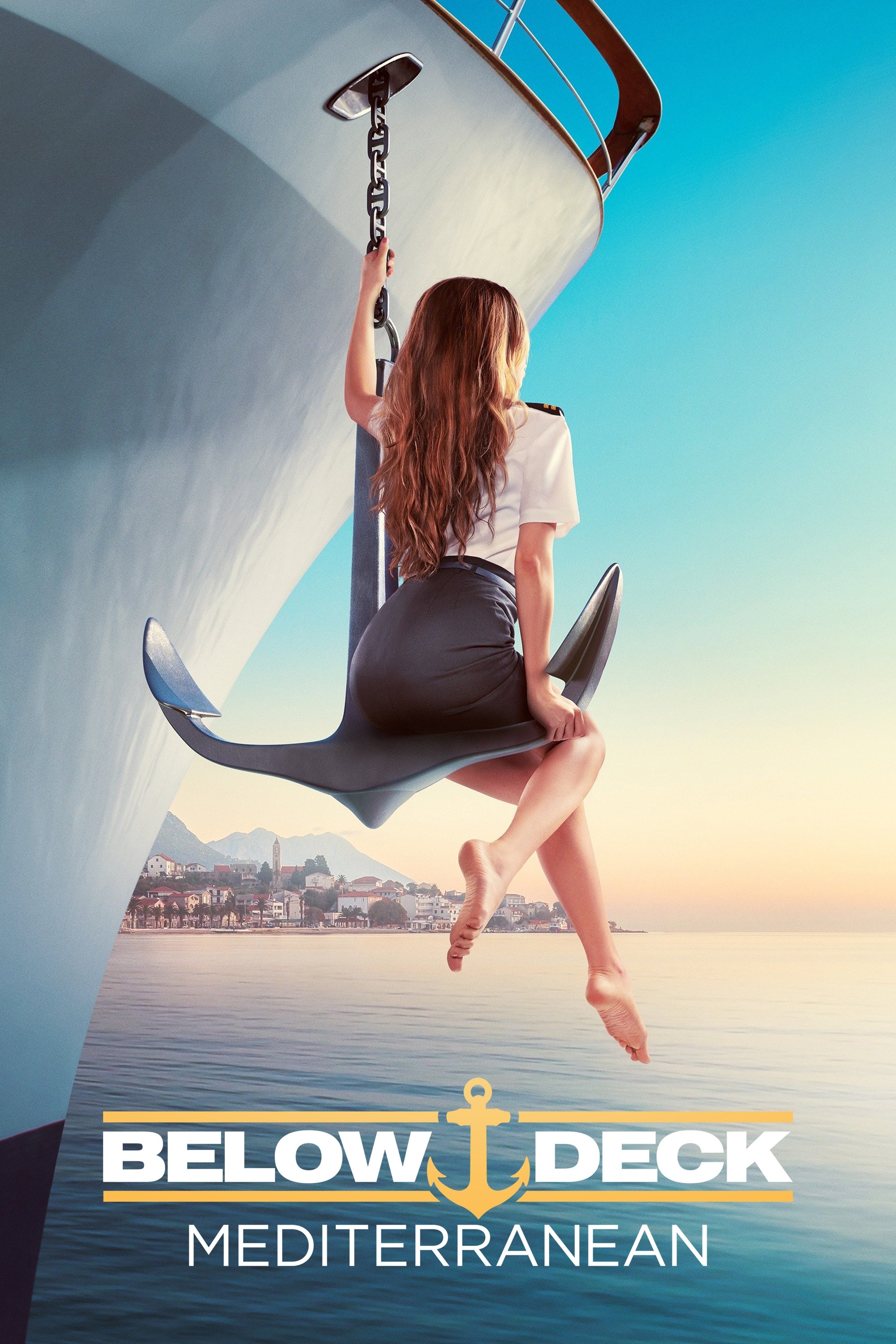
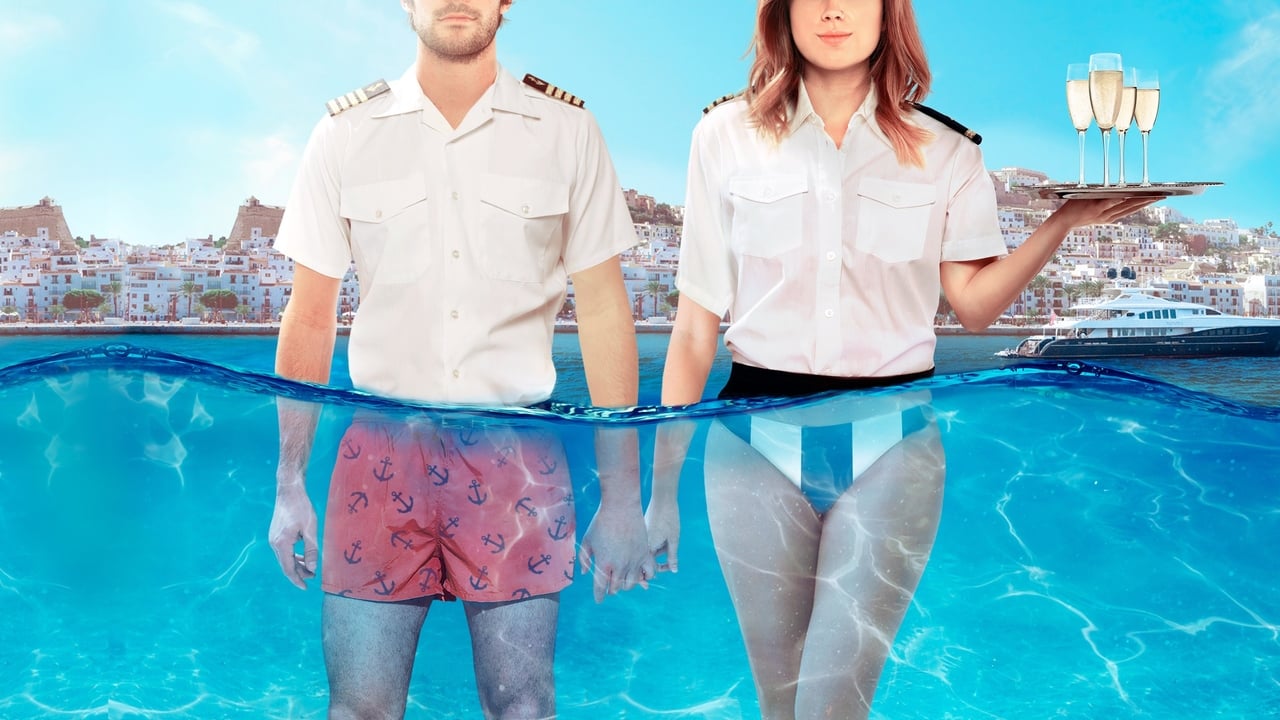
Below Deck Mediterranean succeeded by taking the classic 'locked-in-a-house' reality trope and putting it on a moving vehicle where the stakes are actually high. Unlike the Real Housewives, these people have actual jobs to do. If the stew forgets the espresso or the deckhand fumbles a line, the consequences aren't just a social snub—they're a safety hazard or a lost tip.
Why it's addictive
There’s a weirdly satisfying rhythm to the 'Charter Guest' cycle. We meet the guests, we see their ridiculous 'preference sheets' (e.g., 'No onions, but I love onion rings'), we watch the crew scramble, and then we see the blowout party at the end. It's a formula that works because it mimics the stress and release of a real work week.
The 'Safe' Reality TV Middle Ground
For parents, the 'safety' of this show is relative. It's not Euphoria—there's no drug use or graphic violence. But it does normalize a very specific type of binge-drinking culture as the only way to decompress. If your kid is watching this, they're seeing a world where 'professionalism' is a mask you wear for the guests, and the moment the guests leave, all bets are off. It's a great 'guilty pleasure' for adults, but for kids, it’s a lot of noise with very little signal.