The Australia of it all
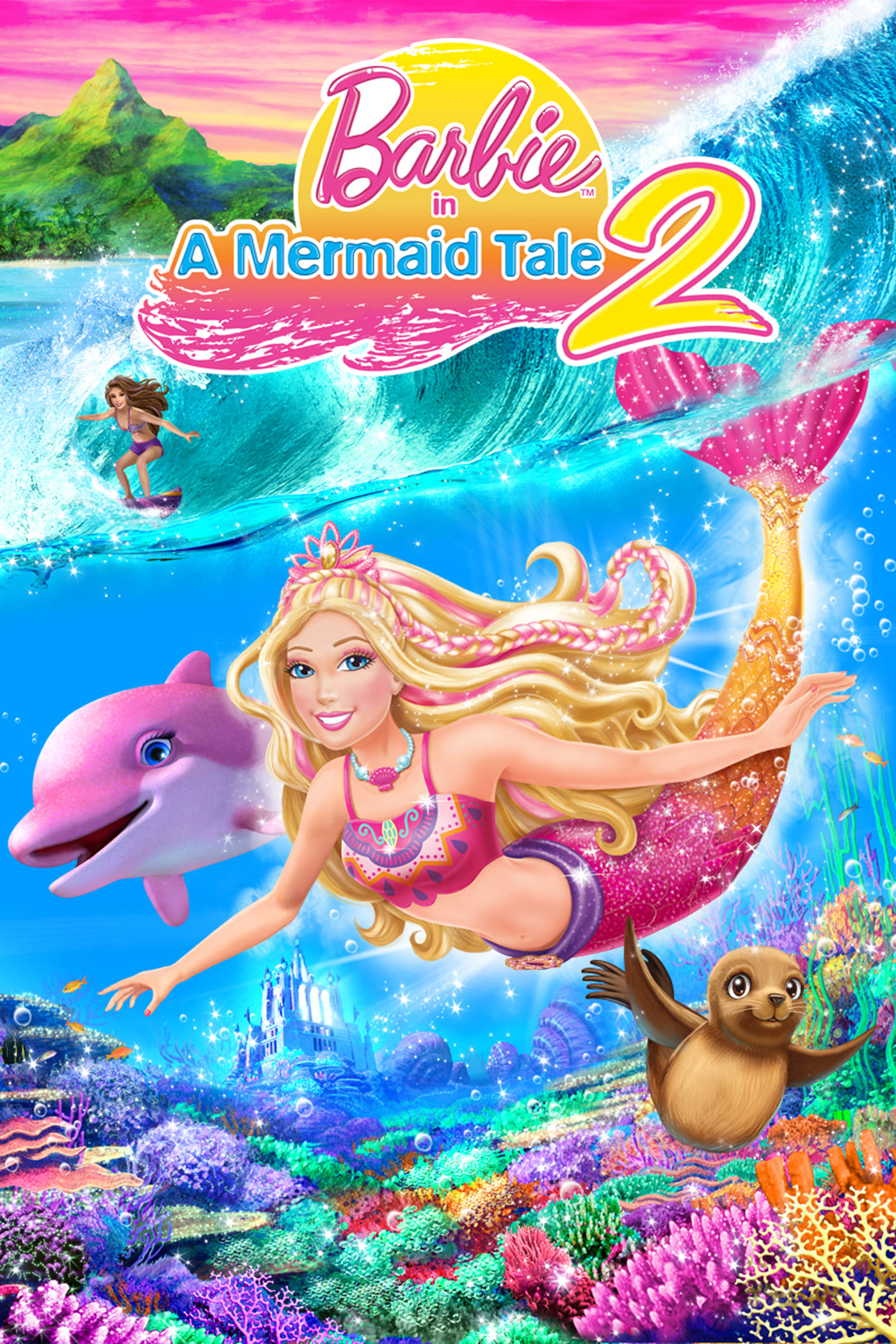
This sequel shifts the action from the Malibu coast to Australia, which gives the movie a slightly more "vacation vibe" than its predecessor. Merliah Summers is there for a major surfing competition, and the movie leans hard into that 2012-era surf culture aesthetic. It’s a specific brand of bright, saturated neon that feels like a Justice store exploded in an aquarium. While the first film was about Merliah discovering her identity, this one is about the classic struggle of being in two places at once. She wants to win the surf trophy as a human, but she has to go back to Oceana to deal with Eris. It's the animated equivalent of a "big game" sports movie, just with more fins and glitter.
The villain and the stakes
Eris is your standard-issue Barbie antagonist. She wants to take over the kingdom, she’s got a bit of a mean streak, and her plan is predictably foiled by teamwork and "being yourself." If you’ve seen any Barbie movie from this era, you can telegraph the ending within the first ten minutes. The 6.2 IMDb score and the 77% audience rating on Rotten Tomatoes reflect exactly that. It’s a crowd-pleaser for the target demographic because it doesn't take many risks. The conflict is low-stakes enough that it won’t give a five-year-old nightmares, but the "ticking clock" of the surfing competition keeps the pace moving fast enough to prevent a total boredom meltdown.
Where this fits in the Barbie Cinematic Universe
By 2012, the Barbie movie machine had moved away from the classic fairytale adaptations like Nutcracker or Rapunzel and into these contemporary-fantasy hybrids. If your kid is into the more modern Barbie: It Takes Two or Dreamhouse Adventures, they might find the animation here a bit dated. The water effects and character movements are definitely products of their time. However, if they’ve already burned through The Little Mermaid or Luca and are demanding more "sea content," this is a functional bridge. It lacks the musical depth of the Disney hits, but it replaces it with a heavy focus on the "girl power" and "dual life" tropes that dominated early 2010s kids' media.
The "Toy Factor"
Let’s be real: this movie exists to sell the Merliah doll that changes color in cold water. You can see the toy design influence in every outfit change and accessory. While that might feel cynical to an adult, for a child, it creates a very high "playability" factor. If they have the dolls or even just some generic mermaid toys, this movie provides a very clear script for how to play with them. It’s less of a cinematic experience and more of a 75-minute prompt for a bathtub play session. If you’re looking for a movie that will spark deep philosophical questions, keep looking. If you need something to put on while you fold laundry that will lead to your kid playing quietly with their toys for an hour afterward, this is a win.