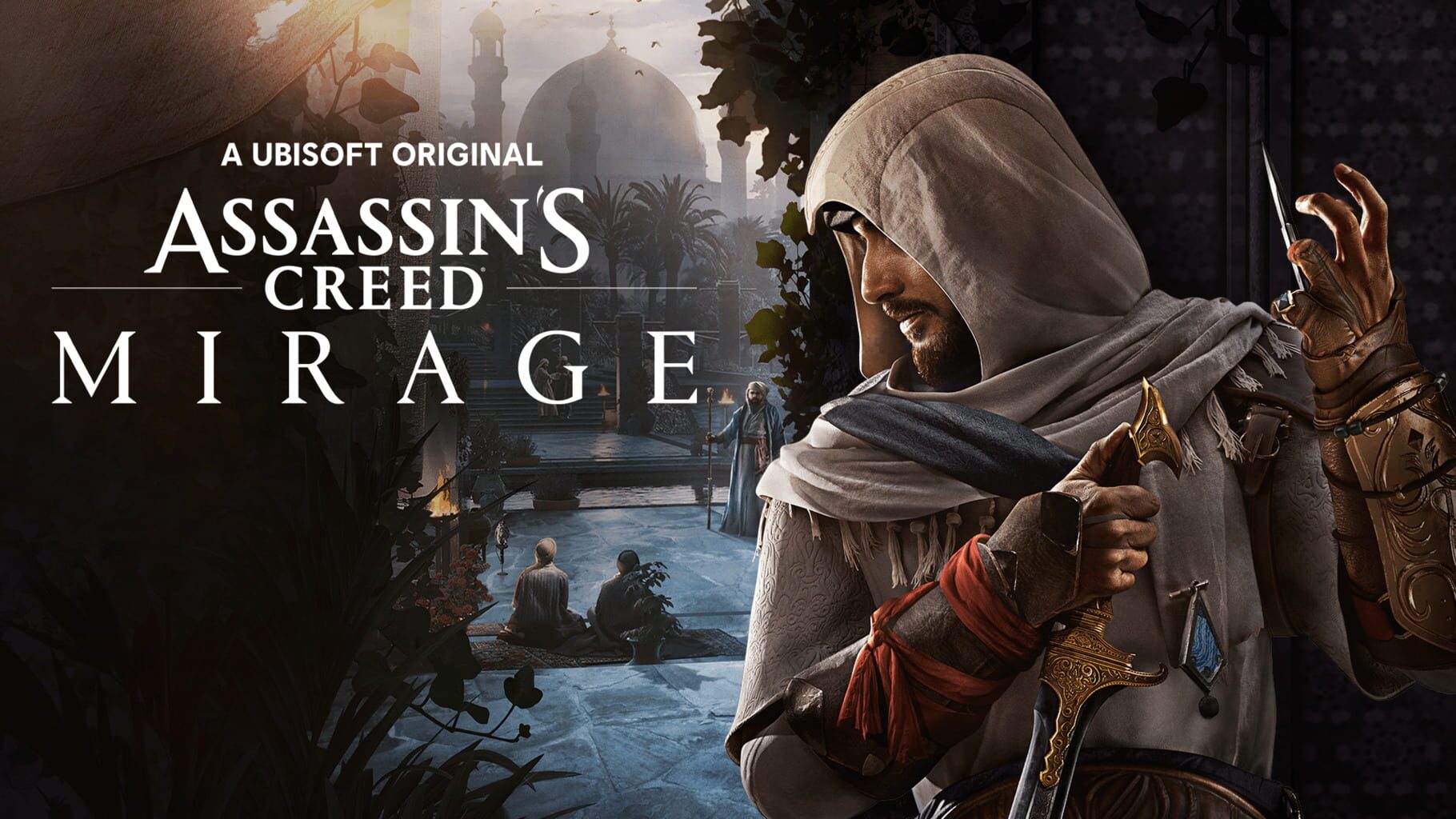
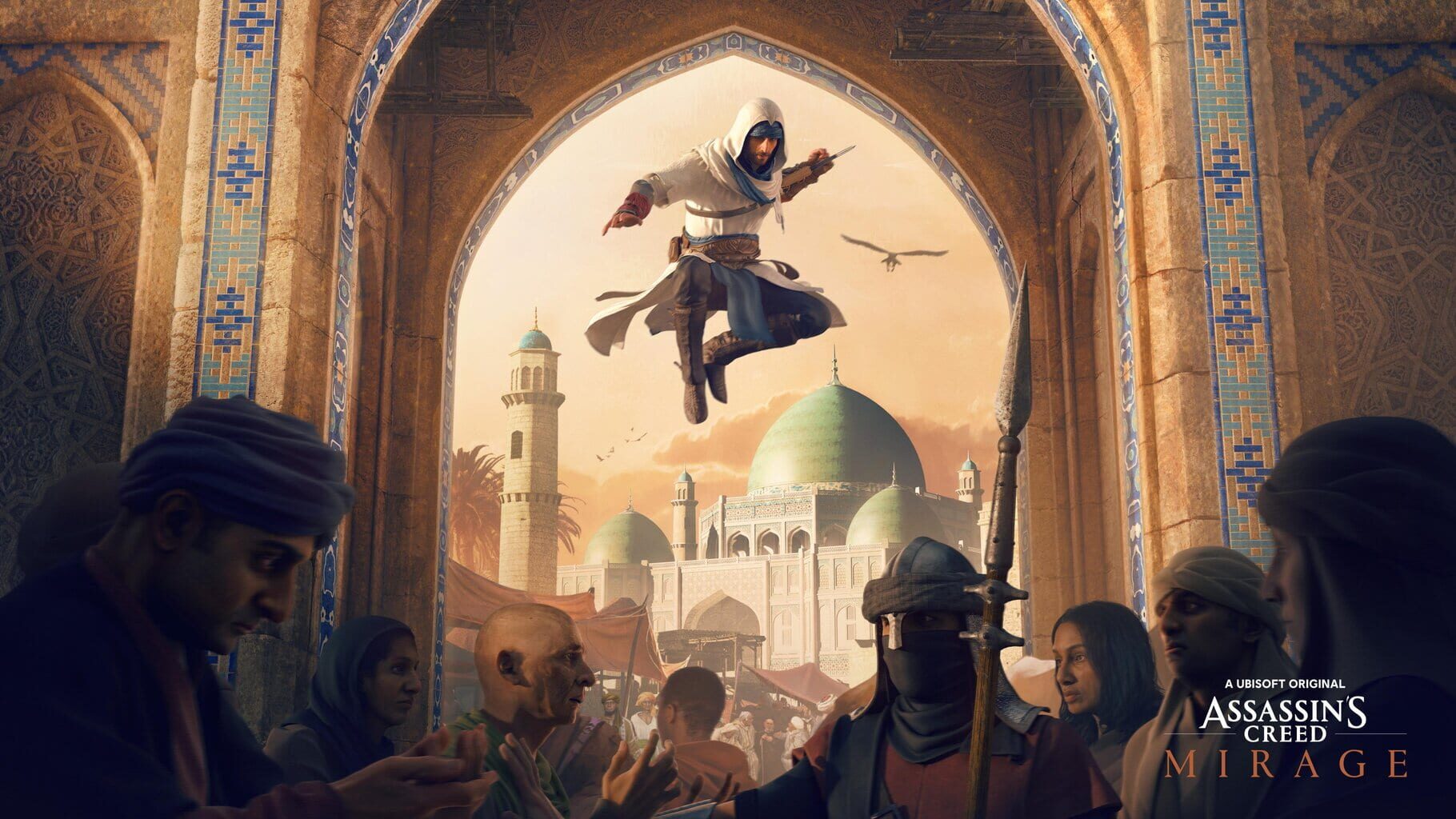
If your kid spent the last few years lost in the sprawling, hundred-hour maps of previous entries like Valhalla, Mirage will feel like a shock to the system. It is a focused experience. Instead of a massive country to conquer, you get one incredibly dense, vibrant city. For a parent, this is a blessing. It’s a game that can actually be finished in a few weekends rather than looming over the household for an entire semester.
The stealth learning curve
This isn't a "superhero" simulator. In most modern action games, if you get caught, you just fight your way out. In Mirage, getting surrounded usually means death. The game forces Basim to use smoke bombs, throwing knives, and distractions.
If your kid is used to the frantic, high-speed chaos of Fortnite, they might find the first hour frustrating. You have to sit on rooftops and watch guard patterns. You have to plan. It rewards a different kind of brainpower—spatial awareness and patience—rather than just fast twitch reflexes. If they loved the puzzle-solving aspects of the recent Zelda games or the gadget-heavy stealth of Spider-Man, this will click.
A digital museum that actually works
The developers clearly spent a massive amount of time on the "History of Baghdad" feature. As you explore the city, you unlock entries about everything from 9th-century economy to the specific architecture of the Abbasid Caliphate. It’s one of the few times where the "educational" tag doesn't feel like a chore.
The game does a great job of showing Baghdad as the literal center of the world—a hub of science and art—rather than just a generic desert backdrop. When your kid starts asking if the House of Wisdom was a real place (it was), it’s a great opening to talk about historical accuracy in video games: fact vs. fun. It’s high-quality historical fiction that handles the culture and religion of the era with genuine respect.
Navigating the "M" rating
The Mature rating is mostly there for the blood. When Basim uses his hidden blade, it’s up close and personal. However, compared to the "gore-fests" of other modern action titles, it feels relatively contained. There’s no sexual content or extreme profanity to worry about.
The most "mature" element is actually the tone. It’s a serious, sometimes somber story about a young man losing his identity to a cult-like organization. The "djinn" hallucinations add a layer of psychological horror that might be a bit much for a sensitive 10-year-old, but for a middle-schooler who has seen a few Marvel movies, it’s standard fare.
The friction points
Ubisoft still loves its menus. Even though there’s no multiplayer, the main menu will try to sell you "packs" of flashy armor or horse skins. It’s easy to ignore, but it’s annoying digital clutter.
Also, the game has a "notoriety" system. If Basim commits crimes in public, the city turns against him, and posters go up. For a younger player, this can feel stressful—the game world actively becomes harder the "worse" they play. It’s a great mechanic for teaching consequences, but be prepared for them to ask for help when the elite guards start chasing them across the rooftops.