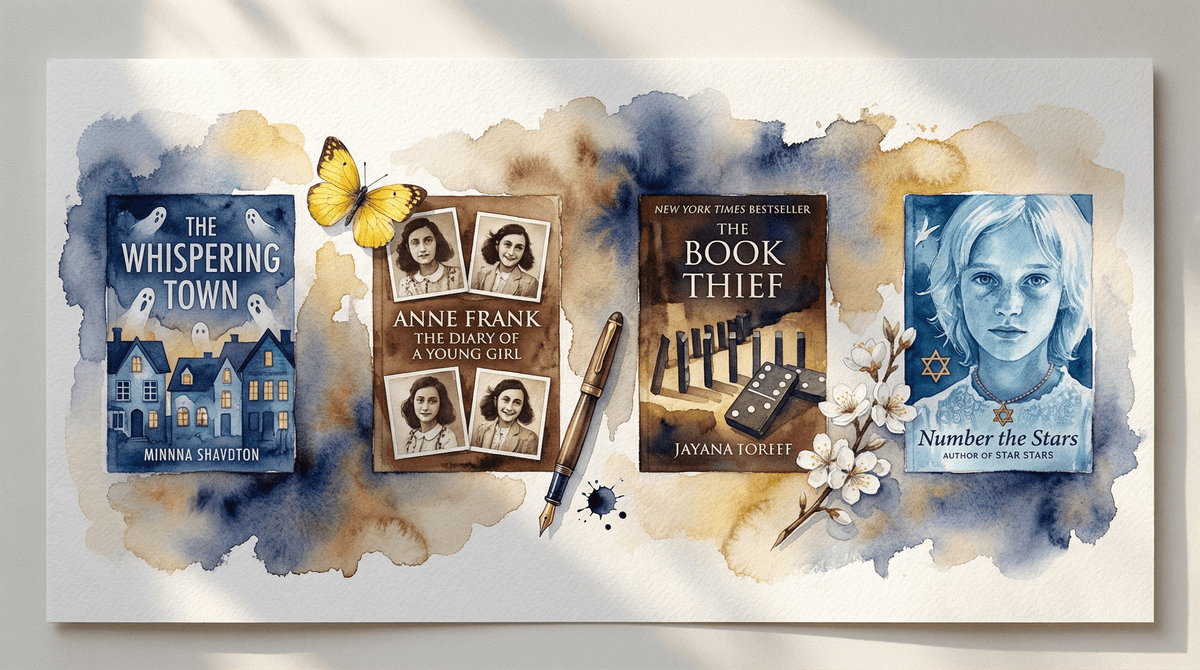
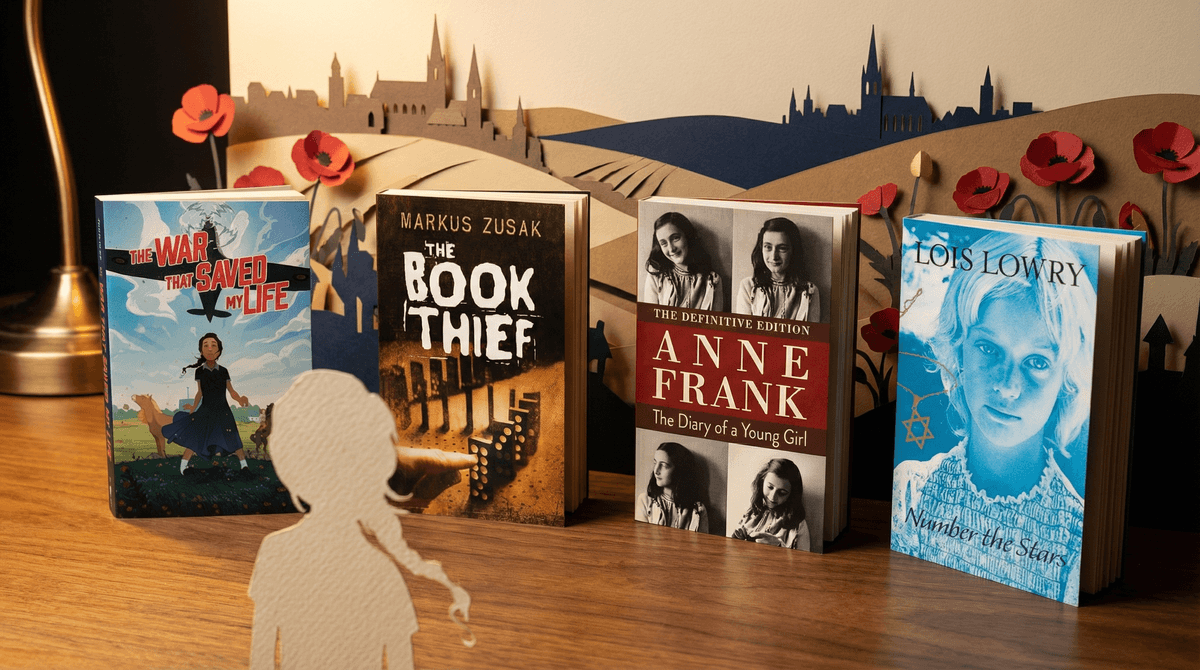
If you grew up with a sanitized, school-friendly version of this story, the 1993 edition will feel like a different book. This is the "Definitive Edition," and it earned its 4.7 rating on Amazon by refusing to polish Anne into a porcelain saint. It restores the parts her father, Otto Frank, originally cut—the parts where Anne is moody, frustrated with her mother, and curious about her own body.
The "Boring" Parts are the Point
Most kids go into this expecting a high-stakes thriller because they know the ending. In reality, a lot of the diary is about the crushing boredom of confinement and the irritation of living in a small space with people you didn't choose. There are long stretches where Anne complains about the food, the noise, and the "petty frustrations" of the adults.
Don't let your kid get discouraged if they find these sections slow. That mundanity is exactly what makes the tragedy visceral. The horror of the Holocaust isn't just the ending; it’s the two years of a brilliant, funny girl being forced to care about the price of cabbage and the mood of her roommates while the world outside is on fire.
The Restored Friction
The 1993 version is famous for including Anne’s "newly discovered sexuality" and her "rebellious clashes" with her mother. These are the moments that make her feel like a person rather than a historical figure. She writes about her changing body and her budding romance with Peter with a "stubbornly honest" voice that resonates with modern teenagers.
Some parents might hesitate at the frankness of her soul-searching, but this is the very thing that prevents the book from feeling like a dusty museum piece. If your kid has ever felt misunderstood or trapped by their circumstances, they will find a confidante in Anne.
How to Approach the Ending
Because we know how the story ends, the final entries carry a weight that Anne couldn't have intended. The diary simply stops. There is no closure, no wrap-up, and no final goodbye. That abruptness is often harder for kids to process than a narrated death.
If your kid is used to historical fiction that ties everything up with a bow, prepare them for the fact that this is raw history. It is a "timeless testament" because it is unfinished. It’s worth checking out Common Sense Media for parent-to-parent tips on handling the heavy emotional fallout after that last page. This isn't a book you finish and just put back on the shelf; it’s one that requires a long walk or a quiet conversation afterward.