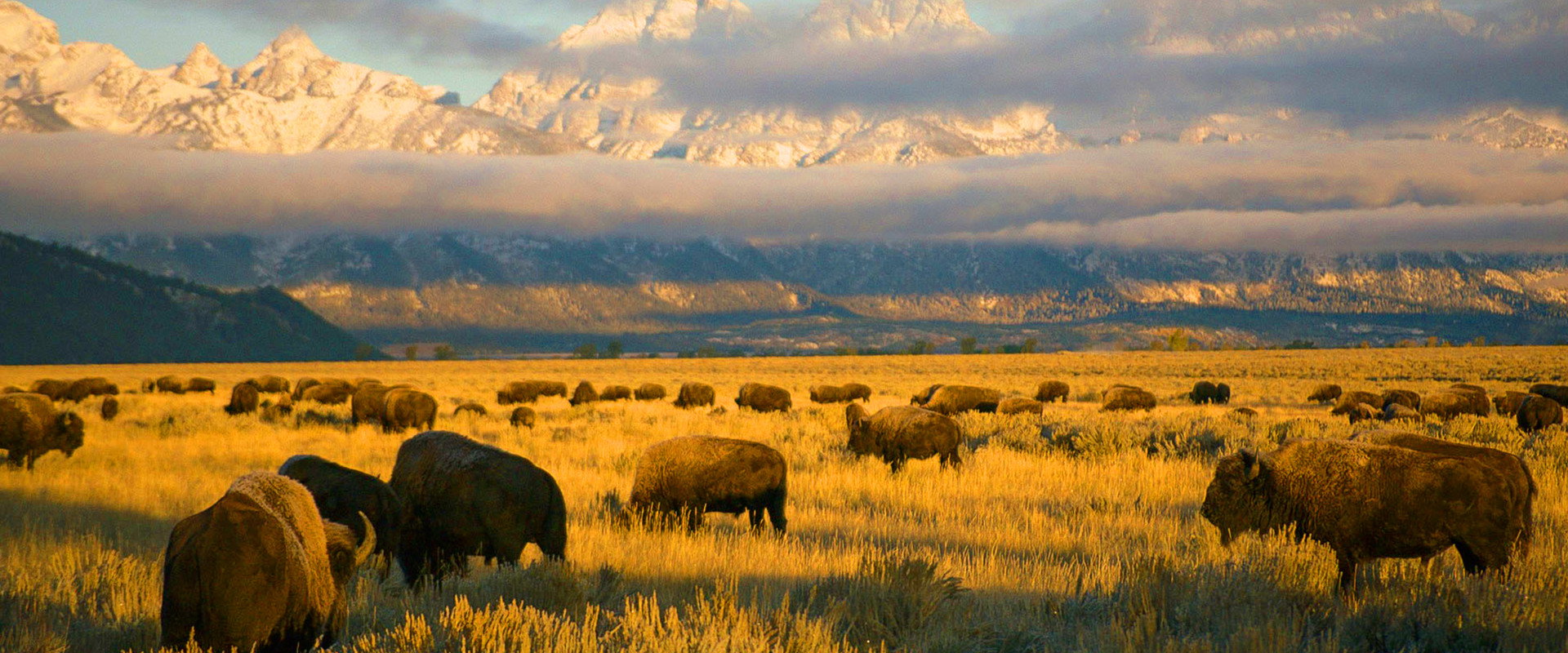
America's National Parks

America's National Parks

show

TV-G, 2015, Documentary

WISE
72%

WISE Score

7.6

IMDb

Solid wildlife documentary series showing America's parks in their unfiltered glory—mating scenes, hunting, and all.

IMDb7.6
Common Sense Media
Where to Watch
Loading streaming options...
Screenwise Verdict

This is a perfectly competent nature documentary that does what it says on the tin: shows you America's national parks and the wildlife living there. The educational value is real—kids learn about ecosystems, animal behavior, and conservation.

The safety score takes a hit because nature documentaries don't sugarcoat reality. Animals mate, predators hunt, prey animals get injured and die. One parent review specifically called out being surprised by on-screen mating, so if you're expecting a sanitized Disney nature experience, adjust expectations.

The bigger issue? It's 2015, which in nature documentary years feels ancient. We're living in the post-Planet Earth II world where every frame is cinematic perfection. This is watchable and educational, but if your kids are used to newer content, they might find it a bit... fine.

Still, it's free on multiple platforms and covers American parks specifically, which gives it hometown relevance. Good for a rainy afternoon when you want something educational that isn't total brain rot, but don't expect anyone to be blown away.
Age Fit

Common Sense Media pegs this at 10+, which feels right. Younger kids who are curious about animals might handle it at 8, but the hunting sequences and mating scenes require some readiness for how nature actually works. Teens and adults who love nature docs will still find value here.

WISE Breakdown
Wholesome
78

Nature documentary showcasing wildlife in their natural habitats with authentic animal behavior. Common Sense Media notes predator-prey scenes and animals facing peril (baby lamb falling, getting injured). Tone is respectful and educational rather than sensationalized, though nature can be harsh.

Imaginative
72

Captures diverse ecosystems across iconic US parks, revealing wildlife behaviors most kids never see. The 'exploration' is passive viewing rather than interactive discovery, but it does open windows into natural worlds that spark curiosity about biology, geography, and conservation.

Safe
68

Nature documentaries inherently include predator-prey dynamics and animal mating. Common Sense Media parent reviews specifically warn about animals mating being shown on screen, which caught some parents off guard. Predators hunt prey, animals face peril and injury. No gore or graphic violence, but nature isn't sanitized. Available in kids mode on Disney+.

Enriching
81

Solid educational value about ecosystems, wildlife behavior, and conservation. IMDb 7.6 suggests decent execution. Common Sense Media age 10+ rating indicates meaningful content depth. Teaches observation, biology, and environmental awareness. However, it's a 2015 docuseries competing with newer, more cinematic nature content from BBC/Netflix.

Parent Info

Why It Might Be Great

  • Real look at wildlife behavior in iconic American landscapes—Yellowstone, Grand Teton, and more
  • Educational without being preachy: ecosystems, predator-prey relationships, survival strategies
  • Available on multiple free streaming platforms including Disney+ kids mode
  • Good stepping stone between sanitized animal content and more intense nature docs

What to Watch For

  • Animals mating is shown on screen—this catches parents off guard, so heads up
  • Predators hunt and kill prey; a baby lamb falls down a canyon and gets seriously injured in one episode
  • It's from 2015, so if your kids are used to Planet Earth III-level cinematography, this might feel dated
  • Nature isn't Disney-fied here—animals face real danger and sometimes don't make it

Conversation Starters

  • "Why do you think that predator needs to hunt? What would happen if it didn't?"
  • "Which national park would you most want to visit after watching this?"
  • "How do animals survive in such different environments—desert vs. mountain vs. forest?"
  • "What do you think park rangers do to protect these animals?"

Ask Anything

Get a personalized guide on any topic