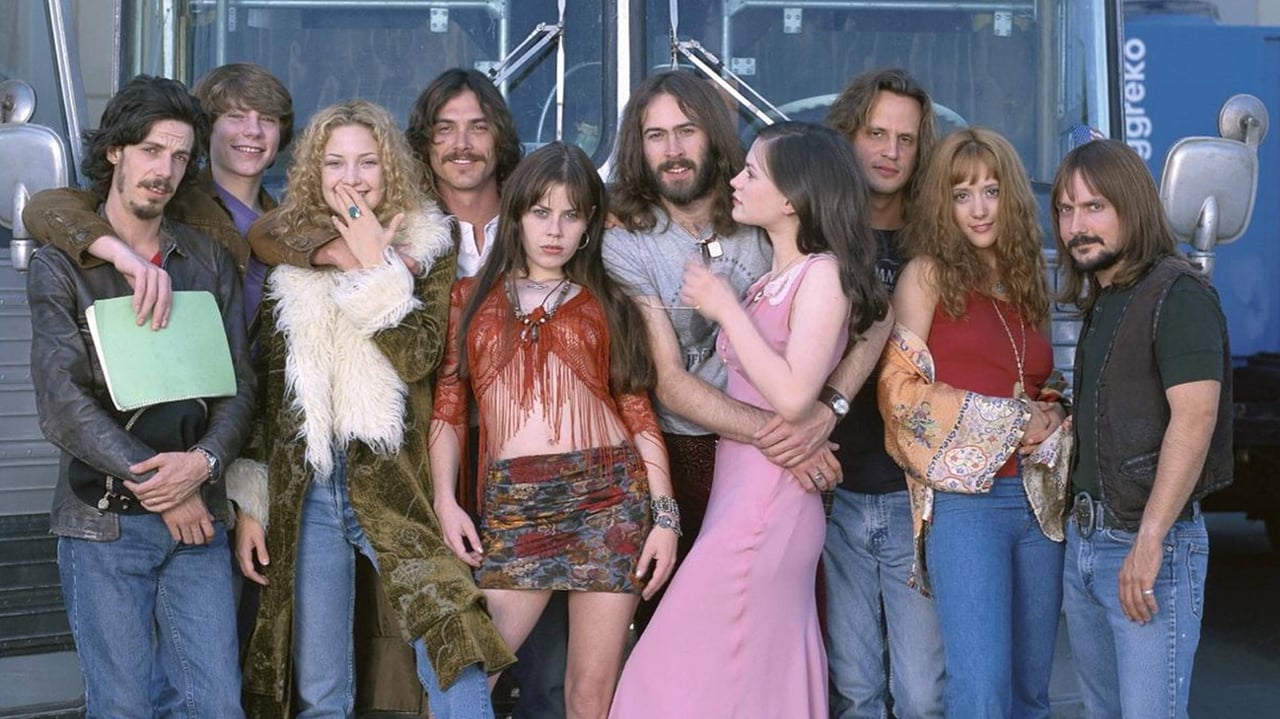
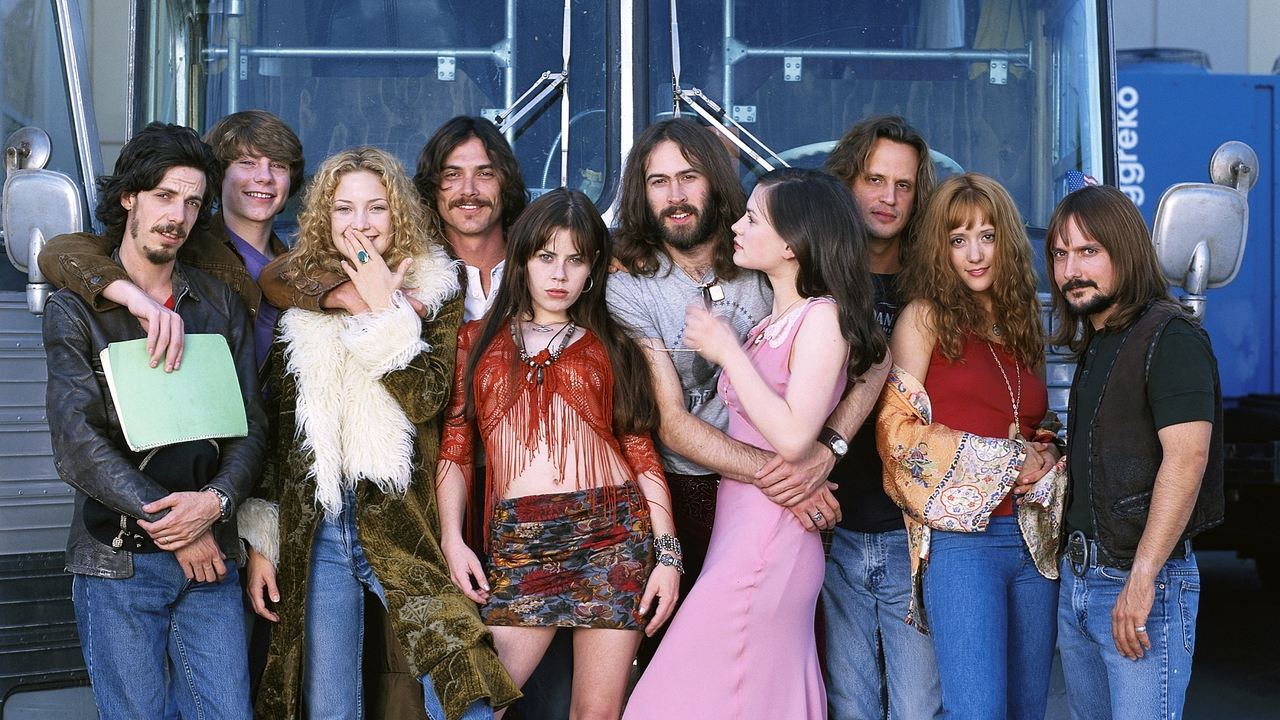
Most coming-of-age movies are about the prom, the big game, or the first heartbreak. Almost Famous is about the deadline. It’s 124 minutes of a kid trying to be a professional in a room full of adults who are paid to be unprofessional.
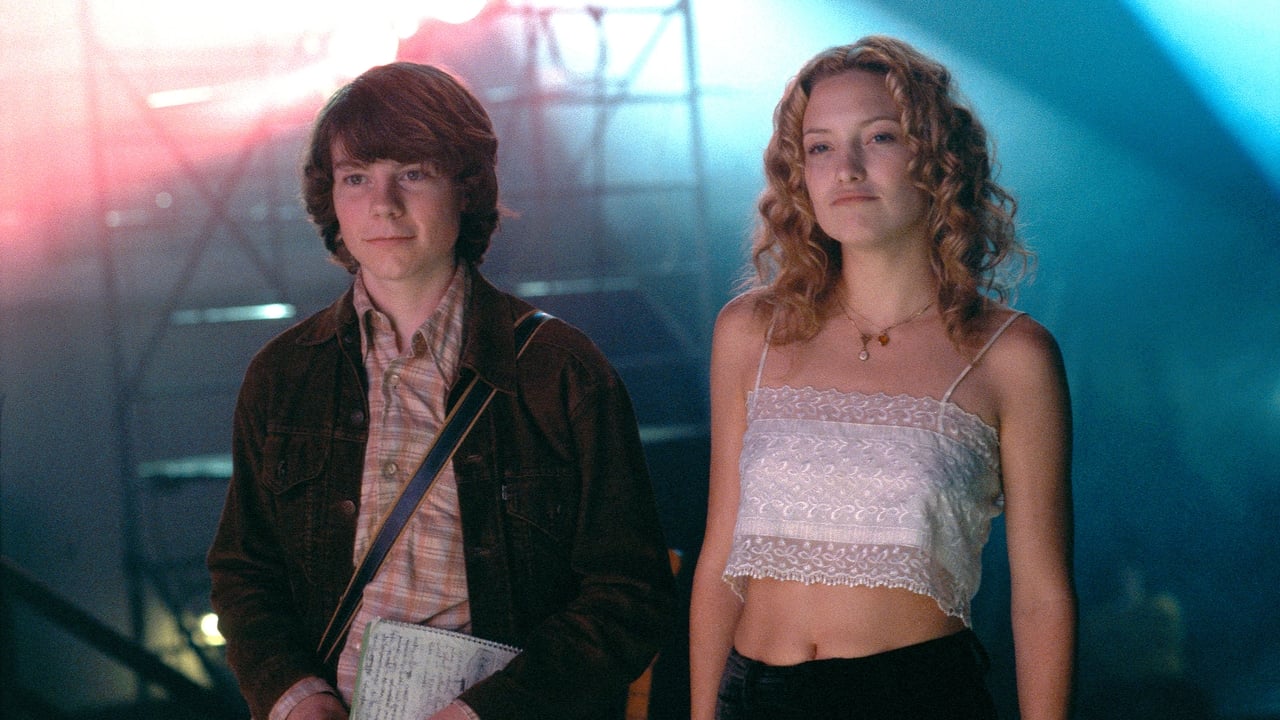
While the 1970s rock aesthetic is the hook, the movie is actually a masterclass in the "uncanny valley" of being a teenager. 15-year-old William Miller looks like a child, but he’s being treated like a peer by rock stars and editors. It creates a specific kind of friction that feels more honest than your standard teen drama. It’s uncomfortable because it’s supposed to be.
The "Uncool" Superpower
The heart of the film isn't the music—it’s the conversation between William and Lester Bangs. Philip Seymour Hoffman plays the legendary critic as a sort of rumpled, cynical guardian angel. His advice that being uncool is actually a superpower is the kind of thing that resonates with any kid who feels like they’re on the outside looking in.
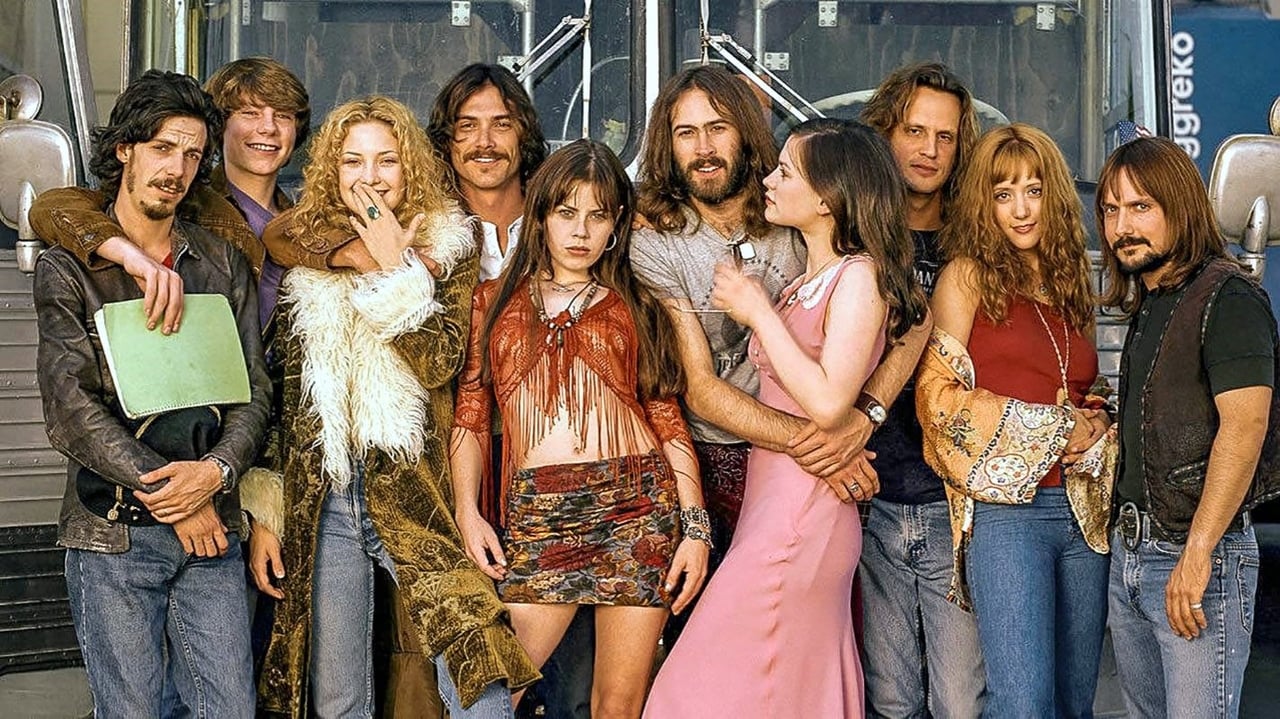
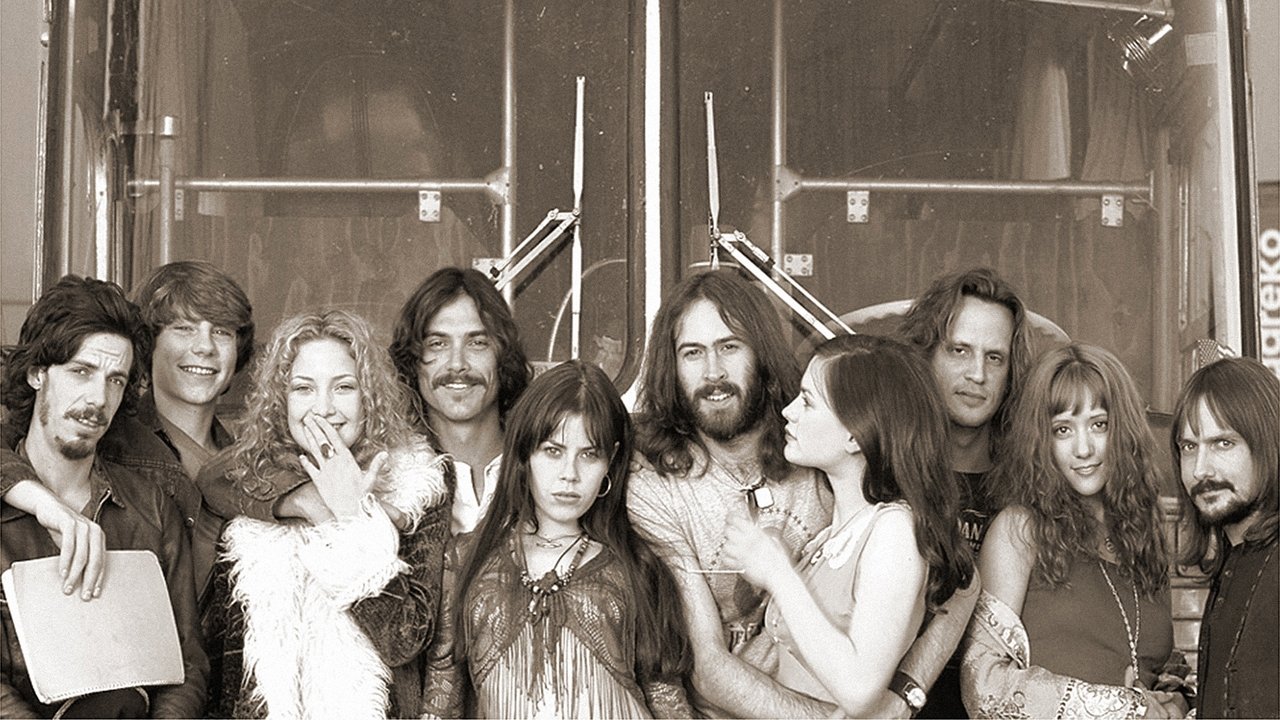
If your teen is currently obsessed with "making it" as a creator or an influencer, this is the reality check they need. It shows that the "inner circle" is usually a mess of ego and insecurity. Billy Crudup plays the rock star Russell Hammond with just enough charisma to make you see why William wants to be his friend, and just enough selfishness to make you realize why he shouldn't.
The Penny Lane Factor
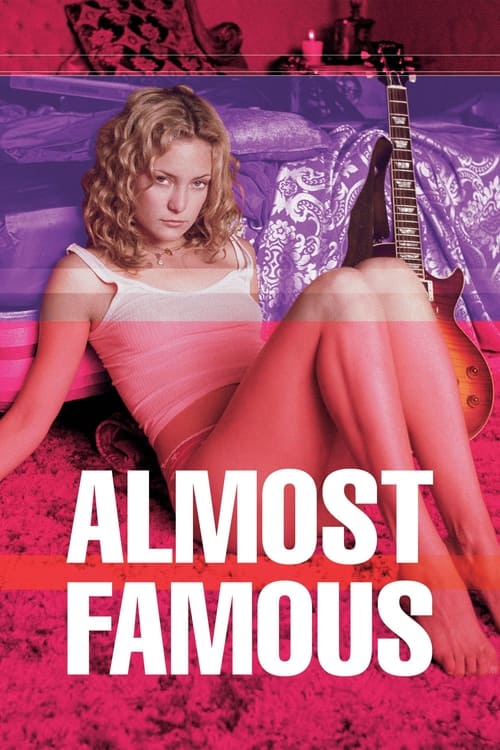
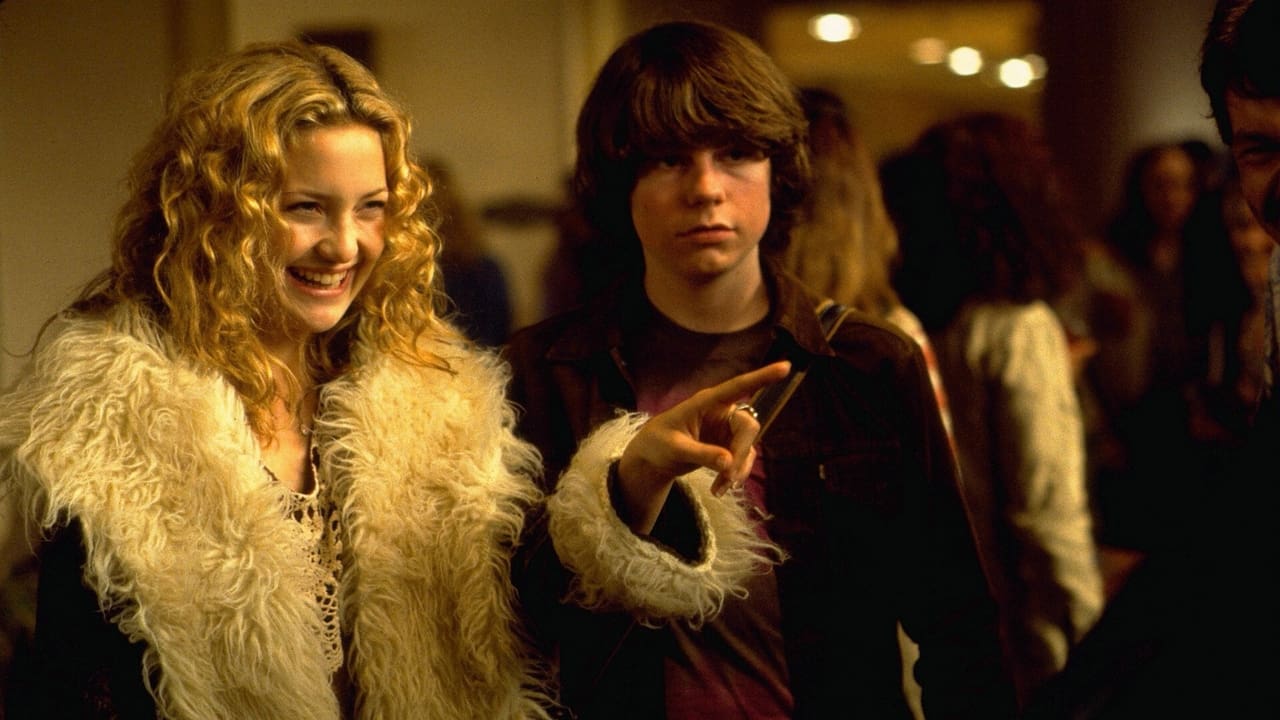
Kate Hudson’s performance as Penny Lane is the movie's soul. She’s the one who navigates the exploitation of the "groupie" (or Band-Aid) lifestyle with a mask of pure confidence. Looking back at this role is a trip, especially considering how Hudson has transitioned into her own music career and a modern parenting philosophy that mirrors some of that "free spirit" energy she brought to the screen in 2000.
She represents the tragedy of the film: the people who care the most about the music are often the ones the industry treats as the most disposable.
Why the "R" Rating Matters
This isn't an R-rated movie because it’s trying to be edgy. It’s R-rated because the 1970s touring circuit was a legal and moral gray zone. You’ll see drug use that ranges from casual pot smoking to a terrifying overdose scare, and the sexual politics are messy at best.
But for a 16- or 17-year-old, those moments provide the necessary weight. If you stripped the "adult" content out, the stakes would vanish. You need to see the band crumbling and the groupies being traded like property to understand why William’s integrity actually matters. It’s a "musical morality tale," as some critics put it, but it works because it doesn't feel like a lecture.
If Your Kid Liked This
If they vibed with the journalism aspect, they’ll probably find the "behind the scenes" nature of the industry fascinating. It’s a great companion piece for any teen who loves music history or wants to understand why their favorite artists act the way they do.
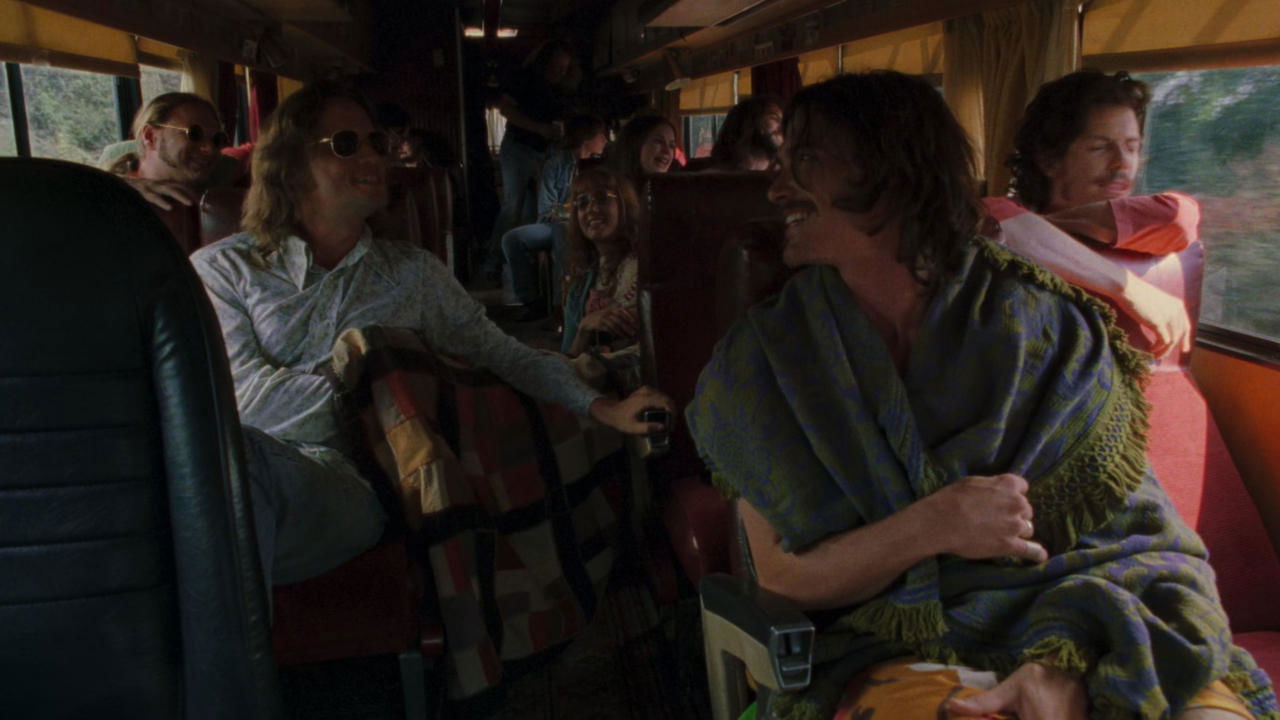
Just be prepared for the "Tiny Dancer" scene. It’s the one moment where the movie stops being cynical and lets itself be sincere, and even twenty-plus years later, it’s still the best argument for why we care about art in the first place. It’s the moment where the friction of the road disappears and everyone—the writer, the stars, and the fans—is finally on the same page.