Age of Empires

Age of Empires

game

1997, Strategy

WISE
68%

WISE Score

84%

IGDB

Build ancient civilizations from stone tools to iron weapons—if your kid can tolerate 1997 graphics and actually read a tech tree.

Where to Play

Screenwise Verdict

Age of Empires is a legitimate classic that teaches history and strategic thinking without any of the predatory nonsense plaguing modern games. The problem? It's nearly 30 years old, and it shows.

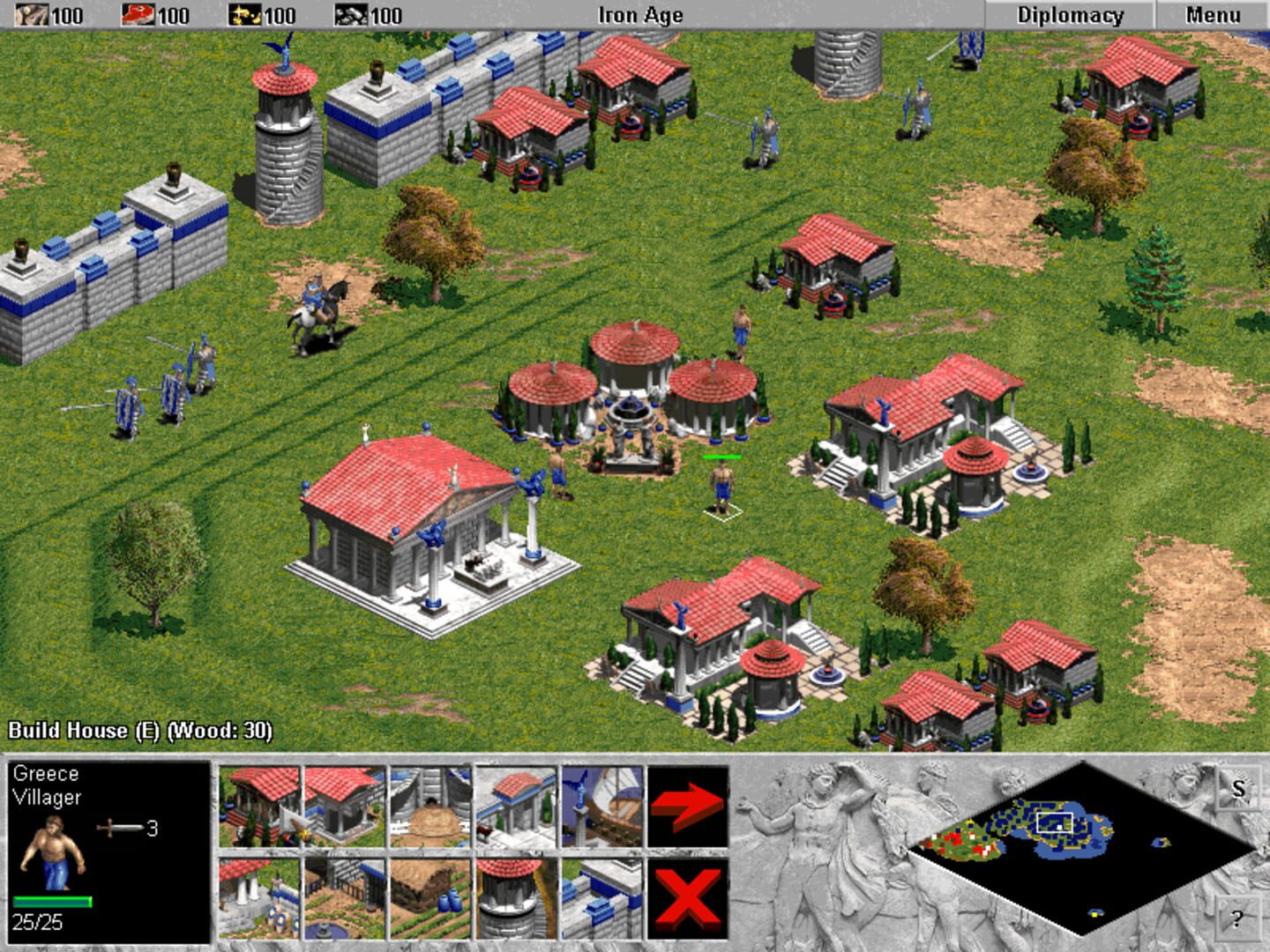
The 2D sprite graphics, clunky interface, and slower pace are genuinely hard for kids raised on modern games to appreciate. This isn't rose-colored nostalgia talking—it's the reality that what felt revolutionary in 1997 now feels like homework. If your kid is already into strategy games or history, this could be a goldmine. If they're used to instant gratification and flashy graphics, they'll quit in 10 minutes.

The educational value is real—kids actually learn about ancient civilizations, technological progression, and resource management. The warfare is abstract enough (tiny 2D units fighting) that it's not concerning, though conquest is definitely the point. Zero microtransactions or toxic online features is refreshing.

Bottom line: This is for the patient, strategy-minded kid who doesn't need cutting-edge graphics. Consider the newer remasters (Age of Empires: Definitive Edition) if you want the same gameplay with modern polish. The original is more museum piece than must-play for most modern kids.
Age Fit

Best for ages 10-16 who have patience for older games and interest in history or strategy. Younger kids will struggle with the interface and complexity; older teens may find it too dated unless they're specifically into retro gaming or RTS classics.

WISE Breakdown
Wholesome
72

Real-time strategy game with historical context that encourages planning and resource management. Violence is present but abstracted through 2D sprites showing ancient warfare without gore or graphic detail. Tone is educational and strategic rather than aggressive. Some concern that warfare is the primary mechanic, but it's presented in historical context of ancient civilizations.

Imaginative
81

Strong strategic creativity as players build civilizations from Stone Age to Iron Age, making meaningful choices about technology trees, resource allocation, and tactical approaches. The historical setting invites curiosity about ancient cultures. Multiple civilizations and paths to victory encourage experimentation. Real-time strategy genre inherently rewards creative problem-solving and adaptation.

Safe
78

No in-game purchases, loot boxes, or manipulative monetization. Online multiplayer exists but no built-in chat system in the base game (LAN/direct connect only in 1997). Violence is stylized 2D sprites of ancient combat—arrows, swordplay—without blood or graphic content. No unexpected disturbing content. Main safety consideration is that warfare is central to gameplay, but it's historical and abstract.

Enriching
76

Genuinely educational about ancient civilizations, technological progression, and resource management. Develops strategic thinking, planning, and multitasking skills. Historical context introduces players to different cultures (Egyptian, Greek, Babylonian, etc.) and their unique attributes. Requires patience and long-term thinking. IGDB rating of 83.6 suggests strong player appreciation. However, entertainment value may be limited by dated graphics and slower pace compared to modern games.

Parent Info

Why It Might Be Great

  • Genuinely teaches history—kids learn about Babylonians, Phoenicians, and technological progression through ages in a way that sticks
  • Develops real strategic thinking: resource management, long-term planning, multitasking, and adapting to opponents' strategies
  • Clean monetization with zero microtransactions, loot boxes, or manipulative design—buy it once, own it forever
  • Multiplayer requires actual coordination (LAN or direct connect), not toxic online lobbies with strangers
  • Slower, more thoughtful pace than modern twitch-reflex games—rewards patience and planning over button mashing

What to Watch For

  • The whole point is building armies and conquering civilizations—warfare is abstracted but it's still the core mechanic
  • 1997 graphics and clunky interface are genuinely hard for modern kids raised on Fortnite and Minecraft—expect frustration
  • Steep learning curve with complex tech trees and resource chains—younger kids will need help understanding the systems
  • Can be time-consuming with matches lasting 30+ minutes, and there's no pause in multiplayer

Conversation Starters

  • "Which civilization did you pick and why? What makes their special units or bonuses interesting?"
  • "What's your strategy—are you rushing early attacks or building up a strong economy first?"
  • "What did you learn about how ancient civilizations actually advanced? Does the game make sense historically?"
  • "When you're losing, how do you adapt your strategy? What's your backup plan?"
  • "Is it more fun to play cooperatively against the computer or competitively against each other?"

Ask Anything

Get a personalized guide on any topic