The Blue-Collar Dark Knight
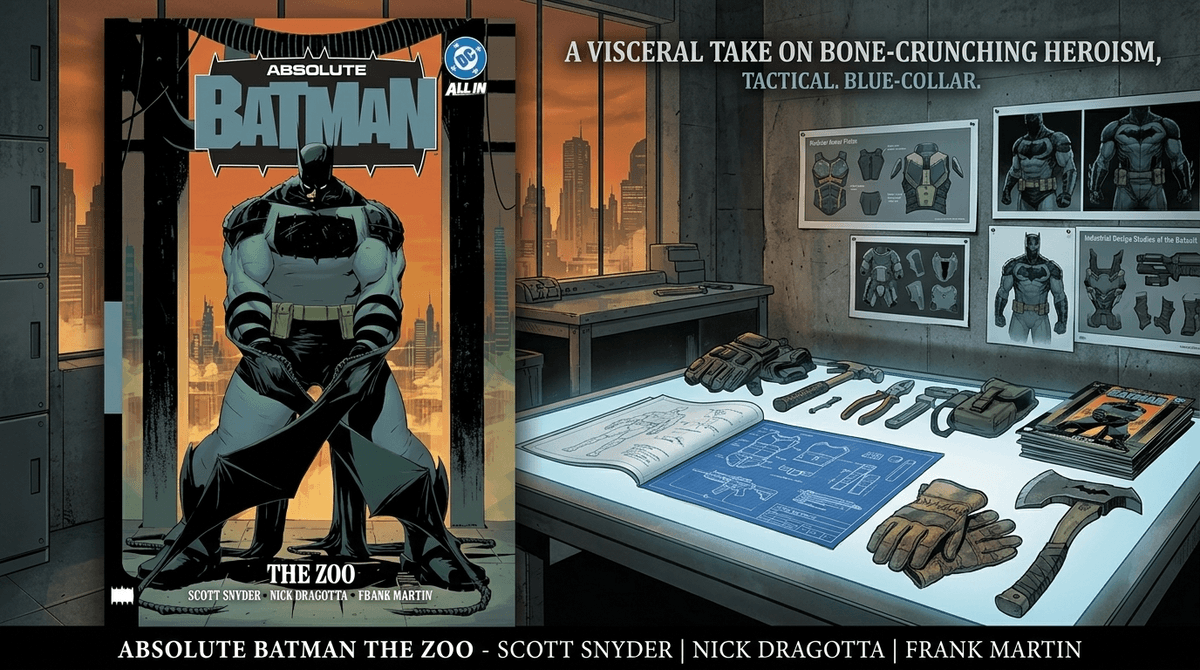
If you’ve grown tired of the "billionaire with a gadget for everything" version of Bruce Wayne, this is the course correction you’ve been waiting for. For decades, the Batman mythos has relied on the safety net of infinite money. Scott Snyder strips that away entirely. This Bruce Wayne is a city-college-educated construction worker who uses his knowledge of the city’s physical infrastructure to fight.
It changes the math of the character. When this Batman needs a tool, he doesn't order it from a R&D department; he builds it out of scrap or uses a literal sledgehammer. This makes the stakes feel immediate and physical in a way a high-tech suit never can. If your teen is used to the "prep time" Batman who is basically a god in a cape, they’re going to find this version much more relatable and grounded, even as the action goes completely off the rails.
Manga Energy and Brutalist Art
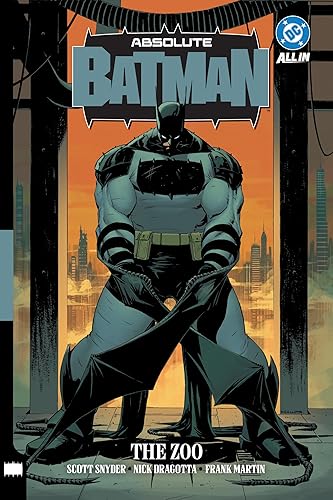
The biggest shock for long-time fans is the visual style. Nick Dragotta’s art doesn't look like a standard DC book from ten years ago. It’s kinetic, exaggerated, and feels heavily influenced by high-octane manga. The Bat-symbol on his chest isn't just a logo; it’s a massive, blocky slab of metal that Bruce can actually detach and use as an axe.
This is where the "brutal" label comes from. The action isn't just about throwing punches; it’s about physics and force. When Batman hits someone here, you feel the weight of the armor and the impact on the environment. It’s a "tour de force" of visual storytelling that rewards readers who actually pause to look at the backgrounds and the way the panels flow. If your kid is already obsessed with the high-stakes combat in Invincible or Jujutsu Kaisen, this is the first Western superhero book in years that will actually speak their language.
Navigating the New DC Landscape
This isn't just a standalone experiment; it’s the flagship of a broader effort to make these icons feel dangerous again. We're seeing a massive shift in how these characters are handled, moving away from the "all-ages" safety of the past decade toward something more experimental. To see how this fits into the bigger picture of reboots and cinematic shifts, check out Superman’s New Suit: A Parent’s Guide to the DC Reboot.
The "Absolute" universe is essentially a sandbox where creators can break the rules. In this version of Gotham, the villains are often the ones with the power and the money, while Batman is the underdog. It’s a total inversion of the classic power dynamic. For a teen reader, that's a much more compelling hook than a rich guy in a cave. It turns Batman into a symbol of resistance rather than a symbol of the status quo.
Why It Sticks the Landing
Most "reimagined" superhero stories fail because they change things just for the sake of being "edgy." Absolute Batman works because the changes feel earned. By taking away the butler, the cave, and the trust fund, Snyder forces Bruce Wayne to be smarter and tougher.
If you’re deciding whether to pick this up, don't worry about the "continuity" or what happened in other books. This is a clean slate. It’s a loud, heavy-metal riff on a character we’ve seen a thousand times, and it manages to make him feel new again. It’s the kind of book that turns casual viewers into actual comic shop regulars.