

So your kid just told you their friend has "unspoken rizz" or that someone "rizzed up" another kid at school, and you're standing there nodding like you understand while internally screaming for a translation.
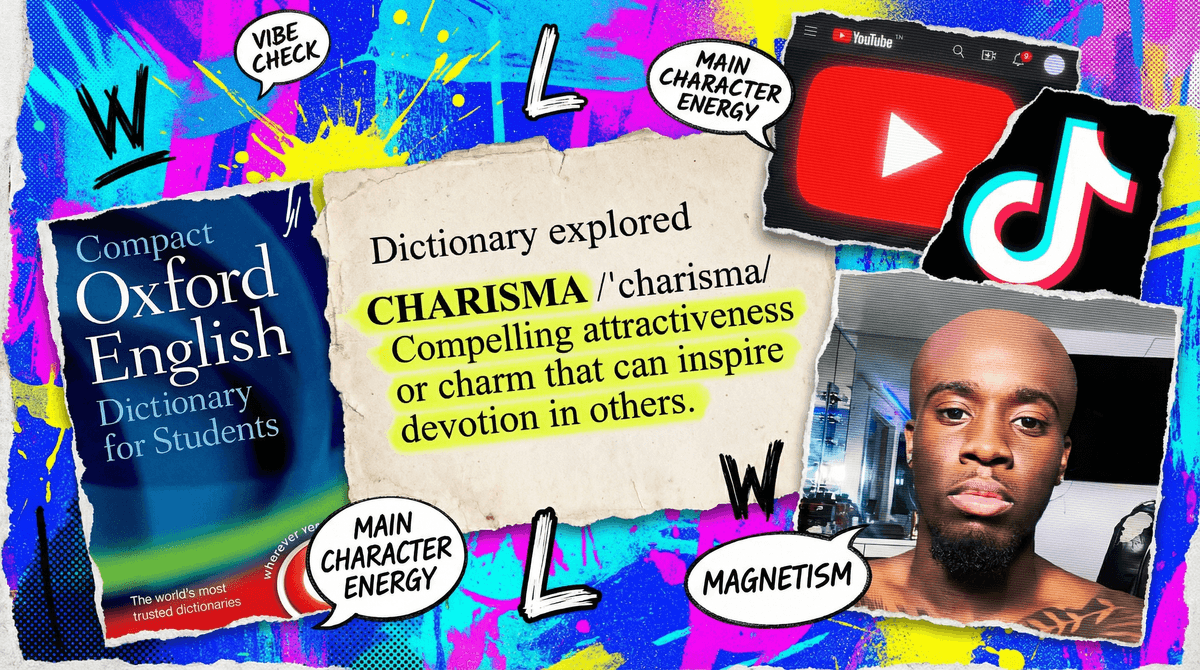
Rizz is basically charisma or charm, especially in a romantic context. It's the ability to attract someone, to flirt successfully, to have that magnetic quality that makes people interested in you. Think of it as Gen Z's shorthand for "game" (which was our generation's version) or what our parents might have called "smooth talking."
The term comes from the middle of "charisma" (cha-RIZZ-ma), and it exploded across TikTok, Instagram, and YouTube starting around 2021-2022. It got so big that Oxford University Press named it the 2023 Word of the Year. Yes, really. A word that started as internet slang made it into the actual dictionary faster than you can say "skibidi."
Here's the basic vocab breakdown:
- "He has rizz" = He's charming, knows how to talk to people he's interested in
- "Rizz someone up" = Successfully flirt with or charm someone
- "Unspoken rizz" = Attracting people without even trying or saying much (the mysterious type)
- "W rizz" = Good game, successful flirting (W = win)
- "L rizz" = Bad game, awkward or failed attempts (L = loss)
The term is most associated with YouTuber and Twitch streamer Kai Cenat, who popularized it and helped it spread like wildfire across social media.
Here's the thing about "rizz" that actually makes it kind of fascinating from a developmental perspective: it's giving kids language to talk about something they're genuinely navigating for the first time.
Middle schoolers and high schoolers are figuring out crushes, attraction, social dynamics, and how to talk to people they like. It's awkward and terrifying and exciting all at once. Having a playful, meme-ified word for it makes the whole thing feel less intense and more manageable.
Instead of saying "I don't know how to talk to my crush and I feel like an idiot," a kid can say "I have zero rizz" and laugh about it with friends who get it. It's a coping mechanism wrapped in humor, which is honestly pretty healthy.
The word also works as social currency. Kids rate each other's rizz, share "rizz tutorials" on TikTok (which are often hilarious and sometimes genuinely sweet), and bond over shared cringe moments. It's become part of how they navigate the incredibly complex social world of adolescence.
Plus, let's be real: kids love having words that adults don't immediately understand. It's a linguistic boundary marker, a way of saying "this is our culture." The fact that it's now in the Oxford Dictionary has probably already made it slightly less cool, but it's still everywhere.
Your kids aren't just saying the word—they're consuming hours of rizz-related content:
- TikTok compilations of people demonstrating "W rizz" or "L rizz" moments
- YouTube videos with titles like "Testing Pickup Lines" or "Rizz God Compilation"
- Memes featuring characters with legendary rizz (Spider-Man, certain anime characters, etc.)
- "Rizz lines" (pickup lines) being shared and rated
Some of this content is genuinely funny and harmless—think awkward teenagers being goofy. But here's where it gets complicated: not all rizz content is created equal.
Some of it veers into pickup artist territory, with videos teaching manipulative techniques or treating romantic interest like a game to be won. Some of it reinforces pretty dated gender dynamics (it's almost always boys "rizzing up" girls). And some of it is just... cringe in ways that make you worry about what kids think actual human interaction looks like.
The word itself is harmless. If your 11-year-old is saying their friend has rizz, that's just kids being kids and speaking their language. You don't need to panic.
But here's what's worth paying attention to:
Age and Context Matter
For younger kids (under 10), they're probably just parroting the word without fully understanding the romantic/flirting context. They might use it to mean "cool" or "confident" more generally. That's fine.
For middle schoolers (11-14), this is when crushes and early romantic interest become real. They're using "rizz" to navigate those feelings. This is actually a great conversation starter about healthy relationships, consent, and what genuine connection looks like versus performative flirting.
For high schoolers (14+), the stakes feel higher to them. They're watching rizz content that might be teaching them some questionable lessons about relationships. This is when you want to be more engaged with what they're consuming.
The Pickup Artist Problem
Some rizz content—especially on YouTube and TikTok—is basically repackaged pickup artist culture for Gen Z. It teaches kids that attraction is about tricks, lines, and "strategies" rather than genuine connection, respect, and mutual interest.
Red flags to watch for:
- Content that treats people (usually girls) as "targets" to be "won"
- Videos focused on manipulation tactics
- Advice that ignores consent or boundaries
- Content that rates people's "value" based on looks or social status
If your kid is deep into this content, you might want to have a conversation about what healthy attraction and relationships actually look like .
.
It's Not Just Boys
While most viral rizz content features boys trying to impress girls, girls are using the term too—both to describe their own charm and to rate boys' attempts. The gender dynamics are worth noticing and maybe discussing, especially around the idea that boys are supposed to "have game" while girls are supposed to be impressed by it.
Don't mock it. If you make fun of the word or act like it's stupid, you've just closed the door on future conversations about what they're actually experiencing.
Instead, try:
- "I keep hearing that word everywhere—what does it actually mean?" (Even if you know. Let them explain.)
- "Do you think [celebrity/character] has rizz?" (Make it playful, not interrogative.)
- "I saw a video about rizz and honestly it seemed kind of cringe. What do you think?" (Open the door to critical thinking about content.)
If they're watching a lot of rizz content, you can ask questions like:
- "What makes someone actually interesting to be around?" (Versus just having "lines")
- "Have you ever seen someone try too hard and it backfired?"
- "What would you want someone to know about you before they decided they liked you?"
These questions help kids think beyond the performance aspect and toward genuine connection.
"Rizz" is just a word, and like most slang, it'll probably fade eventually. But the underlying topic—how to navigate attraction, relationships, and social dynamics—is timeless and genuinely important.
The word itself isn't the problem. The content ecosystem around it can be, depending on what your kid is consuming. And the conversations you're not having about healthy relationships, consent, and genuine connection? Those are the real missed opportunities.
So next time your kid says someone has "W rizz," you can nod knowingly. You might even say "that's giving unspoken rizz energy" just to watch them cringe. (You're welcome for that gift.)
And if you want to dig deeper into what they're watching and how to guide them through this stuff, start by understanding what healthy digital habits look like for their age.
- Ask your kid to explain rizz to you (even if you already know)—it opens dialogue
- Check what rizz content they're consuming on TikTok, YouTube, and Instagram
- Have age-appropriate conversations about attraction, respect, and genuine connection
- Model healthy relationship dynamics in your own life (they're watching)
Want personalized guidance on navigating your kid's digital world? That's literally what Screenwise is built for. We'll help you understand what's normal, what to watch for, and how to have these conversations without feeling like you need a Gen Z translator.