

Let's decode this one piece by piece, because it's actually a pretty fascinating window into how Gen Z communicates about social dynamics.
"Rizz" is short for "charisma" — specifically, the ability to attract or charm someone romantically. It's all about flirting skills, confidence, and that indefinable quality that makes someone appealing. Think of it as the modern equivalent of "game" or "smooth moves."
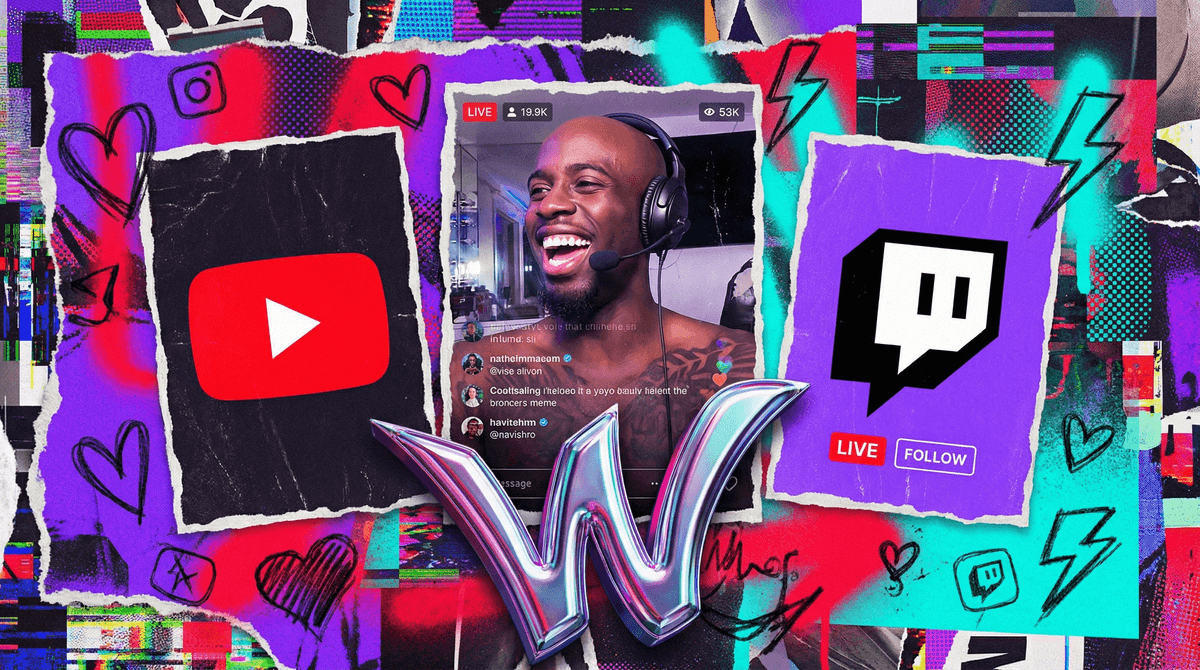
The "W" stands for "win." So "W rizz" means you've got winning charisma — you're successfully charming, your flirting lands, people are into what you're putting out there. You're basically the opposite of awkward.
On the flip side, there's "L rizz" (L = loss), which means... well, your attempts at being charming are not going great. Maybe you're trying too hard, maybe your jokes are falling flat, maybe you're just fundamentally awkward in romantic situations. We've all been there.
The term exploded in 2022-2023, largely thanks to Kai Cenat, a massively popular Twitch streamer and YouTuber who helped popularize it. By 2023, "rizz" was so culturally significant that Oxford University Press named it their Word of the Year. Yes, really.
Here's the thing: your kid isn't necessarily using "rizz" because they're actually out there trying to date. This is slang that's traveled way beyond its original romantic context.
Kids use "rizz" to describe:
- Social confidence in general — "She's got rizz" might just mean someone's funny and comfortable talking to people
- Successful persuasion — "I used my rizz to convince Mom to extend curfew" (you're welcome for the heads up)
- Any kind of charm or appeal — even a dog can have rizz in Gen Z parlance
- Joking about awkward social moments — "That was L rizz" after someone says something cringey
It's become a catch-all term for social competence and appeal. Think of it less as "flirting vocabulary" and more as "social dynamics vocabulary."
Once you understand the basic concept, there's a whole ecosystem of related terms:
"Unspoken rizz" — The ability to attract someone without even trying or saying much. Silent confidence. The strong, mysterious type.
"Rizz up" — The act of trying to charm someone. "He's trying to rizz her up right now."
"Rizzler" — Someone who's particularly skilled at being charming. It sounds ridiculous, and it kind of is, but kids love it.
"Rizzing" — Currently in the act of deploying your charisma. Present tense flirting.
And here's where it gets weird: "Skibidi rizz" combines the nonsense viral phenomenon of Skibidi Toilet with rizz terminology. It basically means chaotic, absurd, or extremely online charm. If you understand this one, you're either Gen Alpha or you've been spending too much time on YouTube Shorts.
This isn't necessarily about romance. Yes, rizz originated as flirting terminology, but most middle schoolers using it are just playing with language and social dynamics. They're not all out there trying to date — they're mostly just trying to be funny and fit in.
It's actually pretty emotionally intelligent. Having vocabulary to discuss social skills, confidence, and the success or failure of social interactions? That's not a bad thing. Gen Z is remarkably articulate about social dynamics in ways previous generations weren't.
Context matters tremendously. Listen to how your kid uses these terms:
- Are they joking with friends about awkward moments? Normal and healthy.
- Are they genuinely trying to develop "rizz" for romantic purposes? Might be worth a conversation about healthy relationships and consent.
- Are they feeling pressure to have "rizz" or feeling bad about having "L rizz"? Good opening for a talk about social pressure and self-worth.
The pressure to perform can be real. Social media has made every interaction feel more high-stakes. Kids are hyper-aware of their social performance in ways that can be exhausting. If your kid is genuinely stressed about their social competence, that's worth addressing — not by dismissing the slang, but by having real conversations about confidence and self-acceptance.
Don't mock the language. I know it sounds absurd. It is absurd. But mocking your kid's vocabulary is the fastest way to shut down communication. If you want to stay in the loop about their social world, you need to take their language seriously even when it's objectively ridiculous.
Ask genuine questions. "I keep hearing you say rizz — can you explain what that means?" Most kids are actually happy to explain their slang if you're genuinely curious rather than judgmental.
Use it as a conversation starter about social dynamics. "Do you feel like there's pressure to have 'rizz' at school?" can open up real discussions about social confidence, peer pressure, and self-esteem.
Share your own awkward stories. Every generation has had to navigate social dynamics and romantic interest. Your stories about being awkward (we all have them) can be surprisingly connecting. You didn't call it "L rizz," but you definitely experienced it.
"W rizz" is just the latest iteration of teenagers trying to articulate something that's always been complicated: social confidence, romantic appeal, and the eternal question of whether you're cool or not.
The language is new and sounds weird, but the underlying concerns are timeless. Your kid is navigating the same social dynamics you did — they just have different words for it and, unfortunately, social media documenting every awkward moment.
Stay curious, stay conversational, and remember that understanding their language isn't about becoming fluent yourself (please don't try to use "rizz" in actual conversation with your teen unless you want to see them die inside). It's about keeping the door open for real conversations about confidence, relationships, and social pressure.
And if you're wondering whether you have W rizz or L rizz as a parent? The fact that you're here reading this guide suggests you're doing just fine.
Want to understand more of what your kids are actually saying? Learn about other Gen Z and Gen Alpha slang that's probably floating around your house right now.
Concerned about how social media is shaping your kid's social confidence? Explore how different platforms affect self-esteem.