

TL;DR
- The Vibe: A dense, cinematic, and deeply philosophical jazz-rap "novel" that explores the Black American experience, fame, and self-worth.
- The Content: Explicit language (frequent), heavy themes of systemic racism, depression, and institutionalization.
- The Verdict: It’s a masterpiece. For high schoolers (Ages 15+), this is essential cultural literacy. It’s the To Kill a Mockingbird of the 21st century.
- Quick Links:
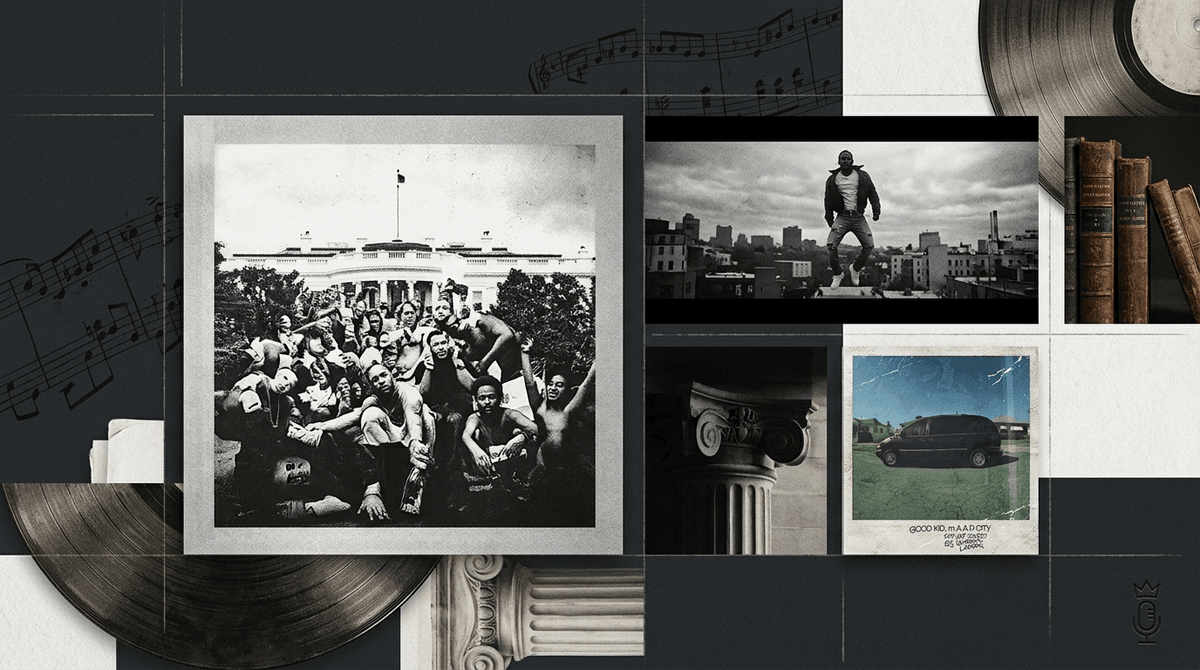
Released in 2015, Kendrick Lamar’s third studio album is widely considered one of the greatest records of all time—not just in hip-hop, but in music, period. If his previous album, good kid, m.A.A.d city, was a cinematic "day in the life" of a teenager in Compton, To Pimp a Butterfly (TPAB) is the internal monologue of a man trying to survive the weight of his own success while navigating a country that feels designed to see him fail.
Musically, it’s not your typical radio rap. It’s a chaotic, beautiful blend of free jazz, funk, soul, and spoken word. It doesn't have "bops" in the traditional sense, though "Alright" became the unofficial anthem of the Black Lives Matter movement. Instead, it’s designed to be heard from start to finish. There is a poem that Kendrick recites piece-by-piece throughout the album, finally revealing the full text in the closing track, "Mortal Man," which features a "ghost" interview with the late Tupac Shakur.
If your teen is into music, they’ve likely heard Kendrick Lamar’s name everywhere lately, especially given his high-profile "rap war" with Drake in 2024. But while the "beef" is what gets the clicks on TikTok, To Pimp a Butterfly is where the substance is.
In many high schools and colleges, this album is already being taught alongside classic literature. It deals with:
- Internalized Racism: The track "The Blacker the Berry" is a blistering look at self-hatred and societal hypocrisy.
- Mental Health: "u" is a raw, almost uncomfortable depiction of a panic attack and survivor's guilt.
- Capitalism and Greed: "Wesley’s Theory" and "For Sale?" use metaphors (like "Lucy" for Lucifer) to describe how the industry "pimps" talent.
Let’s be real: the "Parental Advisory" sticker on this album isn't just for show.
- Language: The N-word is used frequently, as is "f***," "sh**," and other profanities.
- Sexual References: There are some suggestive lyrics and metaphors regarding "pimping" and "hoes," though they are almost always used as allegories for how the music industry or society treats people.
- Violence: The lyrics describe the reality of gang violence in Compton, though Kendrick’s stance is consistently one of reflection and trauma-processing rather than glorification.
If you have a strict "no swearing" policy in your house, this album will break it in the first thirty seconds. However, the context here is everything. This isn't "brain rot" music designed for mindless consumption. This is a high-level artistic expression where the language reflects the environment Kendrick is describing.
Check out our guide on navigating explicit lyrics with your kids
Ages 10-13 (Middle School)
Most kids this age are finding Kendrick through YouTube Shorts or Fortnite emotes. They might like the beat of "King Kunta," but the heavy themes of To Pimp a Butterfly will likely fly over their heads. It’s a bit too heavy for this age group unless they are particularly mature and you're listening with them to explain the context.
Ages 14-18 (High School)
This is the sweet spot. High schoolers are already grappling with identity, social justice, and their place in the world. TPAB provides a perfect framework for these conversations. If they’re reading The Hate U Give or Just Mercy in school, this album is the perfect companion piece.
Community Data Note
Our data shows that about 45% of high school juniors and seniors have "conscious rap" or "lyrical hip-hop" in their top Spotify genres. While younger kids are often chasing the "vibe" of Playboi Carti, older teens are increasingly looking for music that "says something."
If you find your teen listening to TPAB, don't just ask them to turn it down because of the language. Instead, try these conversation starters:
- The "Lucy" Metaphor: "I heard Kendrick keeps talking about someone named 'Lucy' in the album. Do you get what he's trying to say about temptation or the music industry?"
- The "Alright" Anthem: "Why do you think 'Alright' became such a big song for protests? What part of the lyrics do you think people connected with?"
- The Poem: "Did you notice how he adds a line to that poem after almost every song? What do you think the 'Butterfly' represents vs. the 'Caterpillar'?"
Learn more about how to talk to your teen about social justice in media
Unlike a pop album where you can shuffle the tracks, To Pimp a Butterfly is a narrative. If your kid is only listening to one or two songs, they're missing the point.
- The Opening: "Wesley’s Theory" represents the excitement and trap of newfound wealth.
- The Middle: Tracks like "Institutionalized" and "These Walls" show the struggle of staying connected to home while your world changes.
- The Breakdown: "u" is the low point—Kendrick in a hotel room, screaming at his reflection.
- The Breakthrough: "i" is the anthem of self-love that counters the darkness of "u."
- The Finale: "Mortal Man" ties it all together, asking the listener: "When sh** hit the fan, is you still a fan?"
To Pimp a Butterfly is not "easy" listening. It’s challenging, loud, profane, and sometimes confusing. But it’s also one of the most rewarding pieces of media a parent and teen can engage with together.
If you’re an intentional parent, don’t let the explicit tag scare you off. Instead, use it as a bridge. If your kid is listening to Kendrick Lamar, they are engaging with a Pulitzer Prize-level mind. That’s a win in our book—even if it comes with a few F-bombs.
Next Steps
- Listen to "How Much a Dollar Cost" – It's a story about meeting a homeless man who turns out to be God. It’s arguably the most "parent-friendly" track in terms of moral storytelling.
- Watch the Alright music video – It’s a stunning piece of cinematography that helps visualize the album's themes.
- Compare it to Hamilton – If your family loved the way Hamilton used hip-hop to tell a historical story, discuss how Kendrick is using it to tell a contemporary one.