

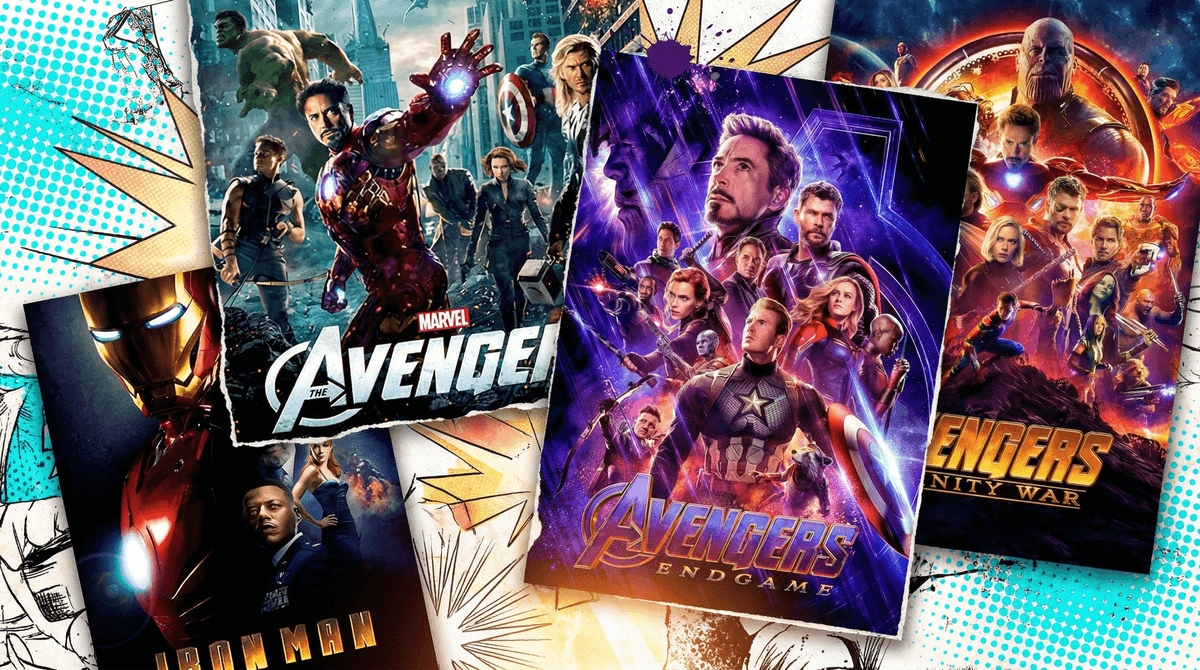
Avengers: Endgame is the 2019 Marvel superhero film that wraps up over a decade of interconnected storytelling. It's the direct sequel to Infinity War, picking up after Thanos snapped away half of all living beings in the universe. The remaining Avengers—Iron Man, Captain America, Thor, Black Widow, Hulk, and others—attempt one last mission to undo the damage and bring everyone back.
It's three hours and one minute long. Yes, you read that right. It's essentially the length of a transatlantic flight.
The movie earned over $2.8 billion worldwide and became a cultural phenomenon. If your kid hasn't seen it yet, they've definitely heard about it from friends, seen memes about it, or encountered spoilers in YouTube thumbnails.
Endgame delivers on everything Marvel fans had been waiting years to see. There are massive battle sequences, emotional character arcs, satisfying conclusions to storylines that began in 2008's Iron Man, and enough fan service to make even casual viewers feel like they're part of something epic.
For kids who've grown up with these characters, it's the finale to their Star Wars. The emotional investment is real—these aren't just superheroes, they're characters they've followed through 20+ movies. When Captain America finally says "Avengers, assemble," it hits different if you've been on the journey.
The movie also has genuine stakes. Characters make real sacrifices. There's a sense that not everyone is making it out alive, which creates tension that a lot of superhero movies lack.
Endgame is rated PG-13 for "sequences of sci-fi violence and action, and some language." Let's break down what that looks like in practice:
Violence: There's a lot of fighting—hand-to-hand combat, energy blasts, explosions, alien creatures getting sliced and shot. It's stylized superhero violence, not realistic gore, but it's intense and relentless, especially in the final battle. Two significant characters die on screen (one sacrificially, one heroically), and while neither death is graphic, both are emotionally devastating. There's also a beheading early in the film—it happens quickly and isn't dwelled on, but it's there.
Emotional intensity: This is actually the bigger consideration for younger kids. The movie deals with grief, loss, PTSD, depression, and sacrifice. Characters are broken and struggling. Thor has gained weight and is clearly dealing with trauma through alcohol (played somewhat for laughs but also seriously). There are multiple scenes of characters crying or saying goodbye. If your kid gets emotionally attached to characters, this movie will wreck them.
Language: A handful of mild profanities—"hell," "damn," "ass," one "shit." Nothing shocking for most middle schoolers, but worth noting for younger viewers.
Scary/intense moments: Thanos is genuinely menacing. The stakes feel real. Younger kids may find some sequences frightening, particularly early scenes showing the aftermath of the snap.
Ages 6-8: Probably too intense. The runtime alone is brutal for this age, but the emotional weight and violence are likely too much. If they've been watching the earlier Marvel movies and are deeply invested, you know your kid best—but expect tears, questions about death, and possibly nightmares about Thanos.
Ages 9-11: This is the sweet spot where it becomes more appropriate, especially if they're already Marvel fans. They can handle the action and understand the emotional stakes. That said, the three-hour runtime is still a challenge. Consider watching at home where bathroom breaks are possible. Be prepared for conversations about death, sacrifice, and what it means to be a hero.
Ages 12+: Most kids this age can handle everything Endgame throws at them, both emotionally and content-wise. They'll likely appreciate the storytelling complexity and character development more than younger viewers.
The runtime consideration: Seriously, three hours is long. Even adults struggle. Younger kids may lose focus, get restless, or need breaks. Watching at home with pause capability is ideal for first-time viewers under 12.
You really need to have seen Infinity War first. Endgame picks up immediately after that film's devastating ending. Without that context, the emotional stakes don't land. Ideally, your kid should have seen at least some of the previous Marvel films—particularly the Avengers movies, Guardians of the Galaxy, and the individual films for Iron Man, Captain America, and Thor.
The deaths are permanent and emotional. Without spoiling specifics, major beloved characters die in this film. If your kid has grown attached to these heroes over multiple movies, those deaths will hit hard. One parent reported their 10-year-old cried for an hour after the film. Another said their 8-year-old asked questions about death and sacrifice for days afterward.
There's surprising depth about trauma and loss. The movie doesn't shy away from showing how the surviving heroes are struggling five years after the snap. This isn't all action and quips—there are quiet, heavy moments about grief and failure. Some kids will connect with this emotional realism; others may find it heavy.
The final battle is LONG. The climactic fight sequence goes on for probably 30-40 minutes. It's spectacular and satisfying, but also chaotic and intense. Lots of explosions, destruction, and characters in peril.
If your kid watches Endgame, it's worth having some follow-up conversations:
- About sacrifice: "Why do you think [character] made that choice? What would you have done?"
- About grief: "How did the different characters handle losing people they loved? Did any of their responses remind you of how people deal with loss in real life?"
- About heroism: "What makes someone a hero? Is it powers, or something else?"
These aren't lectures—just genuine curiosity about what they thought and felt. The movie raises real questions about mortality, legacy, and what we owe to others.
Avengers: Endgame is an epic, emotional, and intense conclusion to Marvel's Infinity Saga. It's well-made, satisfying for fans, and genuinely moving in places. It's also violent, long, and emotionally heavy.
For kids 9 and up who are already invested in Marvel, it's likely fine and will be a memorable experience. For kids under 9, the combination of runtime, violence, and emotional intensity makes it a harder sell—though some mature 8-year-olds who are die-hard fans may be ready.
The best approach? Watch it yourself first if you're unsure, or watch it together so you can gauge reactions in real time and be there for questions afterward. And maybe keep tissues handy. For both of you.
If you're looking for superhero content that's a bit lighter, check out alternatives to Marvel movies or explore age-appropriate superhero shows.