

Let's cut to the chase: "rizz" is short for "charisma," specifically the kind of charisma you use when flirting or trying to attract someone romantically. If your kid says someone "has rizz," they mean that person is smooth, confident, and good at charming people they're interested in. If they say someone has "no rizz," well... that's not a compliment.
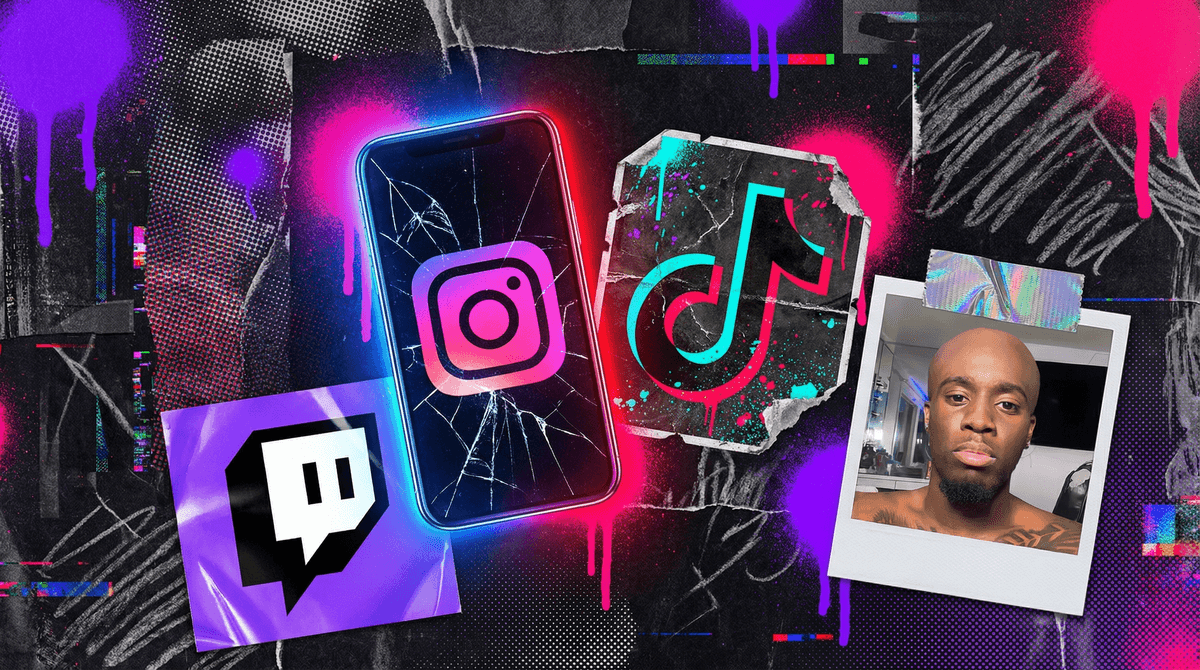
The term was popularized by Kai Cenat, a massively popular Twitch streamer and YouTuber (we're talking millions of followers), and it exploded across TikTok, Instagram, and basically everywhere Gen Z congregates online. It became so ubiquitous that Oxford University Press named "rizz" the Word of the Year for 2023. Yes, really.
Here's the thing though: while "rizz" sounds silly to us, it's actually a pretty useful shorthand for something kids have always been navigating—how to be confident and appealing without being creepy or fake. The word itself is harmless, but the conversations happening around it? Those are worth paying attention to.
Kids love "rizz" for the same reason every generation loves their own slang: it's theirs. It's a way to talk about the awkward, vulnerable experience of attraction in a way that feels less mortifying. Saying "I'm trying to rizz them up" is somehow less embarrassing than "I'm trying to flirt with them."
But there's more to it. The concept of rizz has spawned an entire ecosystem of content:
- Rizz tutorials on TikTok teaching pickup lines and flirting techniques
- "Rizz compilations" showing people (usually guys) successfully charming others
- Rizz ratings where friends evaluate each other's game
- Memes about having "unspoken rizz" (being attractive without trying) versus "W rizz" (winning charisma) versus "L rizz" (losing, cringe attempts)
There's even a hierarchy: "unspoken rizz" is the gold standard (think the quiet kid who somehow has everyone interested), while someone actively trying too hard might get roasted for their "negative rizz."
The appeal is obvious—kids are trying to figure out confidence, attraction, and social dynamics in real-time, and having a shared vocabulary makes it feel less isolating.
Here's where it gets interesting. On the surface, "rizz" is just another word for charm. But dig a little deeper, and you'll find it's connected to some bigger conversations about dating culture, gender dynamics, and online influence.
The Good
The concept of rizz can actually promote some positive things:
- Confidence building: Kids talking about developing their rizz are often working on social skills and self-assurance
- Humor and self-awareness: A lot of rizz content is self-deprecating and funny, acknowledging how awkward dating and attraction can be
- Authenticity: "Unspoken rizz" is celebrated specifically because it's genuine, not performative
The Concerning
But (you knew there was a but), the rizz ecosystem online isn't always healthy:
The pickup artist pipeline: Some rizz content bleeds into pickup artist culture and "alpha male" nonsense. You'll find videos teaching manipulative tactics, treating attraction like a game to be won, or reducing people (usually women) to targets to be conquered. This is the stuff that can lead kids down some pretty toxic paths.
Gender stereotypes: Most rizz content is aimed at boys/men trying to attract girls/women, and it often reinforces really outdated gender roles. The "rizz king" archetype is usually hyper-masculine, and the content can suggest that boys should always be the pursuers and girls the pursued.
Pressure to perform: The constant rating and ranking of people's rizz can create anxiety. Not every kid is naturally outgoing or flirtatious, and that's completely fine. But when your social media feed is full of people showing off their smooth moves, it can feel like you're failing if you're not doing the same.
Public rejection content: There's a whole genre of videos where people approach strangers to "test their rizz," often filming the interaction without clear consent. This normalizes treating real people as content and can blur boundaries around privacy and respect.
If your kid is using "rizz" constantly (and they probably are), here's how to engage without making them immediately regret telling you anything:
Don't mock the word itself: Yes, it sounds ridiculous. But remember when we said "that's so random" and our parents rolled their eyes? Same energy. The word isn't the issue.
Ask what good rizz looks like to them: This is actually a great conversation starter. What do they think makes someone charming? Is it confidence? Humor? Kindness? Listening skills? Their answer will tell you a lot about what they value.
Talk about the difference between confidence and manipulation: You can acknowledge that social skills matter while also discussing the line between genuine charm and pickup artist tactics. Watch some rizz content together (if they'll let you) and talk about what feels authentic versus what feels performative or manipulative.
Discuss consent and respect: Use rizz as a jumping-off point to talk about how real attraction works—that it's mutual, that "no" means no, that people aren't puzzles to be solved or games to be won.
Address the gender stuff: If you have boys, talk about how they can be interested in someone without treating them like a conquest. If you have girls, talk about how they don't have to be impressed by someone's "rizz" if the actual behavior is disrespectful or makes them uncomfortable.
"Rizz" is mostly harmless slang, but like everything in the digital age, it exists in a broader context that's worth understanding. Your kid saying someone has rizz is probably no big deal. Your kid watching hours of pickup artist content disguised as rizz tutorials? That's worth a conversation.
The good news is that most kids are using "rizz" the same way we used "game" or "smooth" or whatever equivalent existed in our generation. They're figuring out attraction, confidence, and social dynamics, and they're doing it with a vocabulary that feels natural to them.
Your job isn't to police their language or cringe every time they say it (even though you will). Your job is to help them think critically about what healthy attraction and relationships actually look like, whether they call it rizz, game, or anything else.
And hey, if you want to embarrass them, just tell them you're working on your own rizz. That should shut down the conversation pretty effectively.
- Watch some rizz content together: Search "rizz" on TikTok or YouTube and see what comes up. Use it as a conversation starter about what's funny, what's cringe, and what crosses a line.
- Talk about their experiences: Are they feeling pressure to have rizz? Have they seen people being disrespectful in the name of rizz? Keep the lines of communication open.
- Learn about how social media shapes teen relationships
 : Rizz doesn't exist in a vacuum—it's part of how this generation navigates attraction in an extremely online world.