

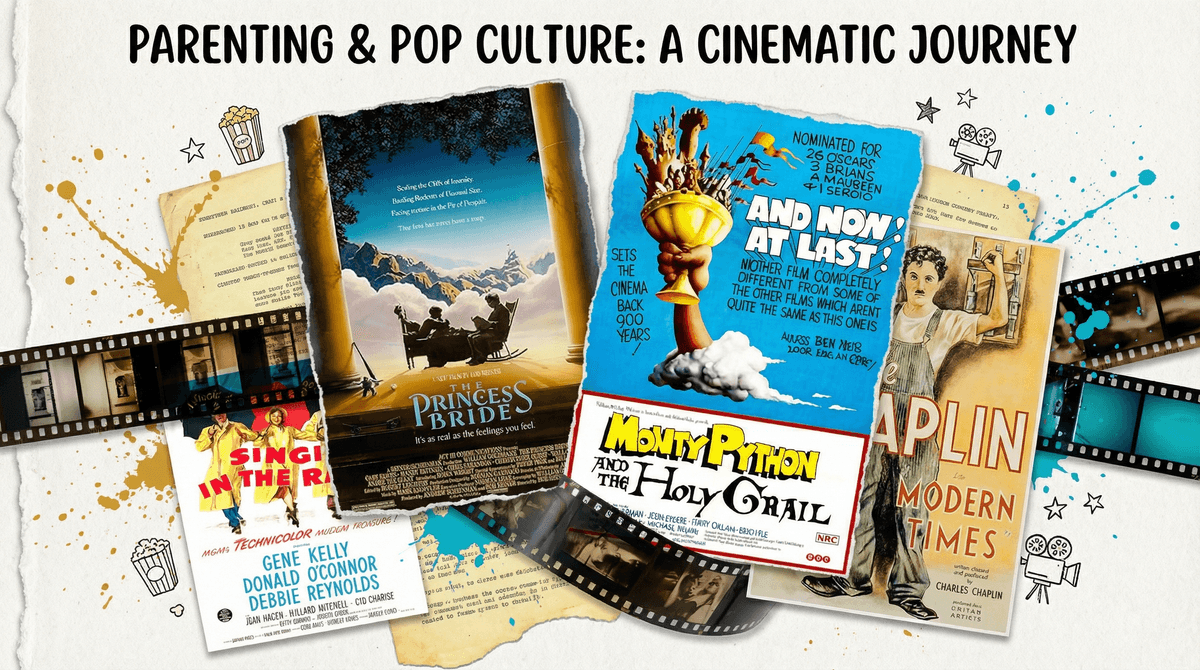
Look, we all know that getting kids to watch anything made before 2010 can feel like asking them to write with a quill pen. But here's the thing: classic comedies—roughly from the 1930s through the 1980s—offer something genuinely different from modern content. We're talking about films that rely on physical comedy, clever wordplay, and actual timing rather than rapid-fire edits and constant stimulation.
These are movies like The Princess Bride, Singin' in the Rain, Some Like It Hot, and Monty Python and the Holy Grail. They're slower-paced, sure, but that's actually part of their value. In a digital landscape where your kid's brain is being trained to need dopamine hits every 3 seconds, classic comedies offer a different kind of engagement—one that actually requires patience and attention.
Here's something most parents don't think about: not all screen time is created equal. A 90-minute classic comedy that your family watches together, laughs at together, and quotes for weeks afterward is fundamentally different from 90 minutes of doomscrolling TikTok or watching random YouTube compilations.
Classic comedies teach kids that entertainment can have a beginning, middle, and end. That jokes can build over time. That you might need to pay attention for five minutes before the payoff lands. These are legitimately valuable skills in an age where most content is designed to hook you in 0.3 seconds or lose you forever.
Plus, they're a shared cultural language. When your kid gets the reference in a modern show that's parodying Airplane! or understands why everyone keeps quoting The Princess Bride, they're connecting to something bigger than their algorithm-curated bubble.
Ages 6-9: Physical Comedy Wins
Start with movies where you don't need sophisticated humor to laugh. Buster Keaton films are genuinely brilliant for this age—they're silent, so no dated slang to explain, and the physical gags are timeless. Charlie Chaplin's Modern Times has a scene with roller skates that will make any kid lose it.
For something with dialogue, try The Court Jester with Danny Kaye—it's got sword fights, silly songs, and that "vessel with the pestle" bit that kids find hilarious. Or go with Abbott and Costello Meet Frankenstein—classic monsters plus slapstick comedy.
Ages 10-13: Wordplay and Wit
This is when kids can start appreciating clever dialogue. The Princess Bride is the obvious choice here—it's meta before meta was cool, and kids this age love feeling in on the joke. Clue is another winner, with rapid-fire dialogue and multiple endings that make it rewatchable.
Monty Python and the Holy Grail works for this age too, though heads up: the humor is absurdist and weird, which either lands perfectly or completely confuses them. There's no middle ground with Python.
Ages 14+: Satire and Sophistication
Now you can introduce movies with actual social commentary. Some Like It Hot is surprisingly progressive for 1959 and has jokes that work on multiple levels. The Philadelphia Story features Katharine Hepburn being absolutely brilliant and sharp as hell.
Airplane! is technically rated PG but has some adult humor—know your kid and decide if they're ready for the innuendo. Same with Blazing Saddles, which is hilarious but also uses offensive language deliberately to satirize racism (this requires a conversation beforehand).
The Pacing Will Feel Slow
Accept this going in. Kids raised on YouTube and TikTok will initially find classic comedies "boring." The first 15 minutes might be rough. This is normal and okay. Consider it training wheels for attention span.
Some Content Hasn't Aged Well
Let's be real: you're going to encounter casual sexism, racism, and other attitudes that were "normal" in their time. This isn't a reason to avoid these films—it's an opportunity for conversation. When something uncomfortable comes up, pause and talk about it. "Why do you think they thought that was okay to include?" is a great starting question.
Black and White Isn't a Dealbreaker
Kids will say they hate black and white movies, but they're usually fine once the movie gets going. Some Like It Hot and The Philadelphia Story are both black and white and both absolutely hold up.
Start With What They Already Like
If your kid loves The Lego Movie, they might enjoy The Court Jester. If they're into The Princess Bride (which, okay, is from 1987 but still counts as classic), try Robin Hood: Men in Tights. Find the bridge between their current taste and classic comedy.
Make It an Event
Don't just throw on a classic comedy during regular screen time. Make it special. Pop actual popcorn. Turn off phones. Create a "classic movie night" ritual where everyone commits to watching together without distractions.
Provide Context (But Not Too Much)
A quick 30-second intro helps: "This movie is from 1959, so some things will seem old-fashioned, but watch how the actors use their faces and timing—it's incredible." Then shut up and let the movie work.
Embrace the Quotes
Half the fun of classic comedies is the quotable lines. When your family starts saying "Inconceivable!" or "As you wish" to each other, that's connection. That's shared culture. That's the good stuff.
Don't Force It
If a particular movie isn't landing, bail. Not every classic comedy works for every kid. Duck Soup is brilliant Marx Brothers chaos, but if your kid isn't vibing with it after 20 minutes, try something else. The goal is to find the classics that resonate, not to force-feed film history.
Classic comedies aren't just nostalgia trips for parents—they're genuinely valuable screen time that offers something different from the algorithmic content fire hose. They teach patience, reward attention, and create shared family moments that stick.
Will your kids immediately love every classic comedy you show them? Probably not. But finding even two or three that become family favorites is worth the effort. When you're all quoting The Princess Bride at dinner or your teen actually laughs at a Buster Keaton pratfall, you've created something that matters more than any individual movie.
Start with one. Pick a Friday night, make it special, and see what happens. The Princess Bride is probably your safest bet for a first attempt—it works for almost everyone and bridges the gap between classic and modern sensibilities perfectly.
And hey, if it doesn't work? At least you tried. But chances are, you'll find that these movies—made before CGI, before streaming, before smartphones—still have something to offer. Sometimes the old ways of making people laugh turn out to be pretty timeless after all.