

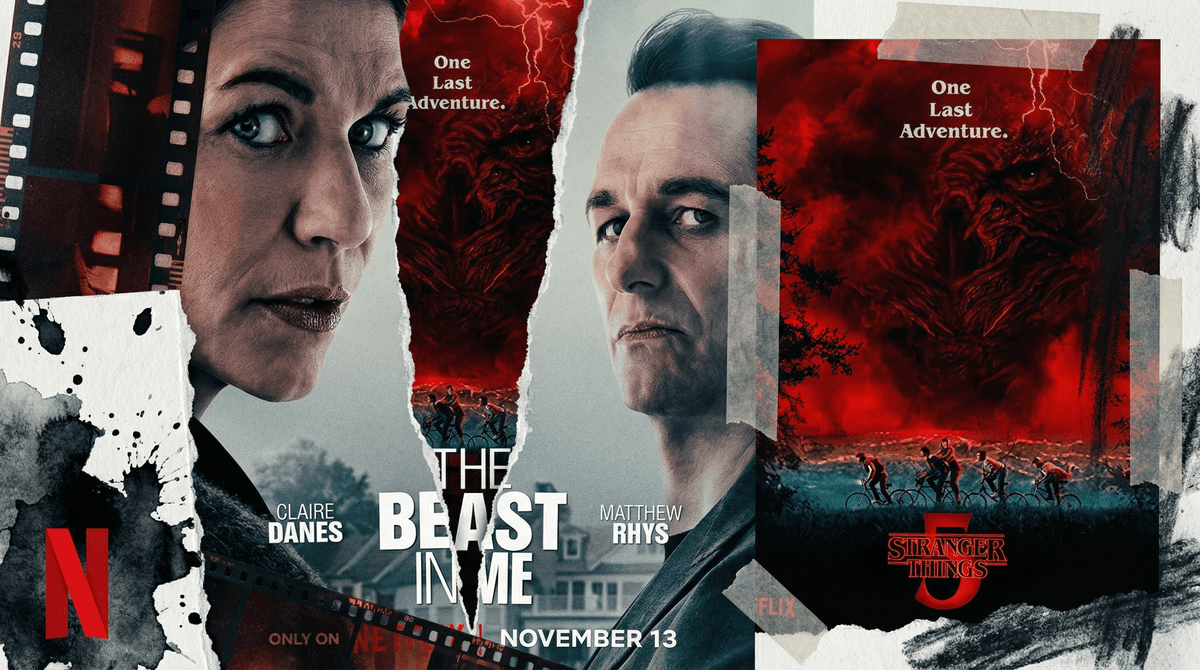
"The Beast in Me" is a Polish Netflix thriller series that dropped in 2024, and it's been quietly climbing the streaming charts. The show follows a seemingly ordinary woman who discovers she has a violent alter ego that emerges when she's threatened or stressed — think Jekyll and Hyde meets a contemporary psychological thriller. It's dark, it's intense, and it's definitely got parents asking: is this okay for my teenager?
The series runs six episodes and dives deep into themes of trauma, dissociative identity, violence, and the question of whether we're responsible for actions we can't remember. It's got subtitles (it's in Polish), which actually means your teen will need to pay attention rather than scrolling TikTok simultaneously — silver lining?
Screenwise Parents
See allLet's be real: teens are drawn to dark, psychological content. According to our Screenwise data, about 40% of families report their kids have regular Netflix access, and another 40% say their kids use it occasionally. That's a lot of eyeballs potentially landing on this series.
The appeal here is pretty straightforward. "The Beast in Me" has that binge-worthy thriller quality that makes you want to watch "just one more episode." It's got mystery, it's got action, and it tackles the kind of identity questions that resonate with teenagers who are literally figuring out who they are. Plus, it's foreign, which gives it that indie credibility that feels more sophisticated than typical teen fare.
Okay, here's where we need to get specific about what's actually in this show, because "dark thriller" can mean a lot of things.
Violence: This is the big one. The series features graphic violence including murder scenes, physical assaults, and some genuinely disturbing imagery. We're not talking Marvel action sequences here — this is realistic, brutal violence that's meant to be unsettling. The protagonist literally blacks out and wakes up to discover she's killed people. It's not gratuitous for shock value, but it's definitely intense.
Psychological intensity: The show explores dissociative identity disorder, trauma responses, and the lasting impact of childhood abuse. These are heavy themes handled with some nuance, but they're presented in a way that's designed to create tension and fear, not necessarily education or healing.
Sexual content: There are some sexual situations and references, though this isn't the primary focus of the series.
Language: Subtitles mean you're reading translated dialogue, but there's strong language throughout.
Here's my honest take: this is not appropriate for most young teens. We're talking 16+ at the absolute minimum, and honestly, 17-18 is probably more appropriate.
For ages 13-15: Hard pass. The violence is too graphic, and the psychological themes are presented in a way that's meant to disturb rather than educate. There are plenty of mystery/thriller options that can scratch that itch without the intensity level here.
For ages 16-17: Maybe, but with significant caveats. If your teen has demonstrated maturity around violent content, can separate fiction from reality, and you're willing to have some real conversations about what they're watching, this could work. But know what you're signing up for.
For ages 18+: Still intense, but at this point, they're adults making their own viewing choices. You can offer perspective without gatekeeping.
The Netflix rating for this series is TV-MA, which is their most restrictive rating. That's the streaming equivalent of an R-rating, and in this case, it's earned.
Here's what makes this different from something like a Marvel show or even "Stranger Things": the violence isn't fantastical or clearly fictional. It's grounded in reality, which makes it hit differently. When your teen watches someone get superpowered across a room, their brain processes that as obviously fake. When they watch realistic violence in a contemporary setting, it registers differently.
That said, if you have an older teen who's interested in psychology, criminal justice, or complex storytelling, this could actually be a jumping-off point for meaningful conversations about mental health, trauma, and the ways media portrays these issues. The show doesn't glorify violence — it's clearly presented as tragic and devastating.
Before you decide whether to allow your teen to watch:
-
How does your teen typically respond to violent content? Do they get nightmares? Do they become desensitized? Can they separate fiction from reality?
-
Are you willing to watch it with them or at least watch it yourself first? This isn't a "set them up with Netflix and go make dinner" situation.
-
Can you have nuanced conversations about mental health? The show's portrayal of dissociative identity is dramatized for thriller purposes. Can you talk about the difference between Hollywood and reality?
-
What's your teen's current mental health state? If they're dealing with trauma, anxiety, or identity issues, this might not be the right time for content that uses those themes as horror fuel.
"The Beast in Me" is a well-crafted thriller that's genuinely too intense for most teenagers. The TV-MA rating is accurate, and this is one of those cases where I'd actually encourage parents to err on the side of caution.
If you're looking for mystery/thriller content that's more age-appropriate, consider Lockwood & Co. for younger teens, or The Fall of the House of Usher for older teens who can handle gothic horror. For teens interested in psychological complexity without the graphic violence, The Queen's Gambit offers compelling character study without the brutality.
With our community averaging about 4.2 hours of daily screen time, it's worth being intentional about what fills those hours. Not every piece of content needs to be educational, but it should at least be age-appropriate. "The Beast in Me" is a solid show for adults — let your teens wait a few years for this one.
Next Steps: If your teen is pushing back on this decision, consider watching the first episode together and having an honest conversation about whether the content feels appropriate. Sometimes the best parenting move is letting them see for themselves why you're setting a boundary — with your guidance and presence to process it together.