

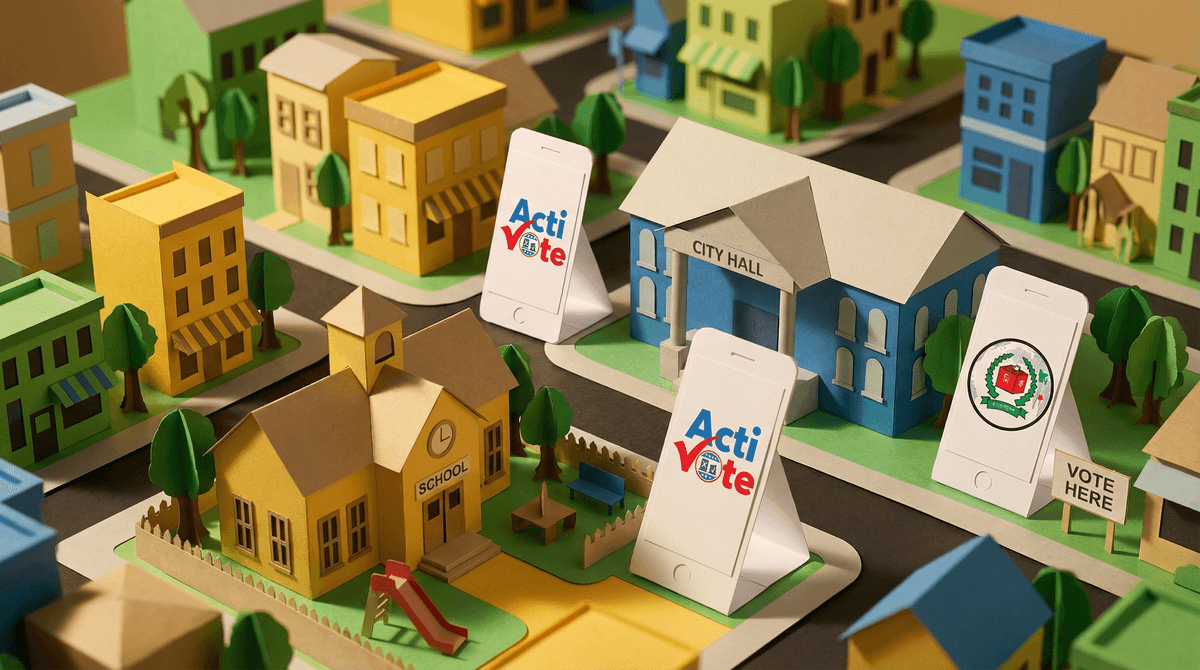
Here's the thing: we all get hyped about presidential elections. The drama, the debates, the "I Voted" stickers flooding Instagram. But while everyone's arguing about what's happening in Washington, the people deciding whether your kid's school gets a new playground, whether that pothole on your street gets fixed, and how much you're paying in property taxes? Those are your state and local officials.
State and local elections determine:
- School board members who set curriculum, approve budgets, and make policies about everything from book bans to lunch menus
- City council members who decide on parks, libraries, public safety, and local ordinances
- Mayors who shape your city's priorities and budget
- State legislators who write laws on education funding, healthcare, environmental protections, and more
- Judges who interpret laws and make decisions that affect real people's lives
- Ballot measures where you directly vote on specific issues like tax increases, bond measures, or policy changes
The kicker? These elections often have terrible turnout. Like, sometimes only 15-20% of eligible voters show up for local elections. Which means your vote literally counts more.
If you're raising kids, local politics affects you more than almost any other group. Your daily life is shaped by decisions made at the city council meeting you've never attended and the school board election you might have skipped.
Real talk: That school board member who won by 200 votes? They're now deciding whether your district invests in mental health counselors or cuts art programs. The city council member who ran unopposed? They just voted on whether to fund the teen center or close it.
And here's where it gets interesting for digital wellness families: local elections increasingly involve decisions about:
- Technology in schools (device policies, screen time, AI tools)
- Library book challenges and access to information
- Youth mental health resources and funding
- Community programs that provide screen-free activities
- Privacy policies for student data
The challenge with local elections is that information is scattered everywhere and often buried under national news. Here's how to actually find what you need:
Start with Official Sources
Your county elections office is your best friend. Every state has an official elections website where you can:
- Check your voter registration status
- Find your polling place
- See a sample ballot before election day
- Get dates for upcoming elections
- Request mail-in/absentee ballots
Search "[your county name] elections office" or "[your state] secretary of state" to find yours.
Ballotpedia (ballotpedia.org) is genuinely useful. It's a non-partisan resource that covers:
- Who's on your ballot
- What ballot measures mean (in actual English)
- Candidate backgrounds and positions
- Election dates and deadlines
Get Local News in Your Feed
I know, I know—local news feels boring compared to national drama. But local reporters are the ones actually covering school board meetings and city council votes.
Find your local sources:
- Your city's main newspaper (even if it's now mostly online)
- Community news sites or blogs
- Local public radio station
- Nextdoor (yes, really—despite the drama, it's where local election info gets shared)
Pro tip: Set up a Google News alert for "[your city name] election" during election season. You'll get a daily digest of relevant local coverage.
League of Women Voters Voter Guides
The League of Women Voters (vote411.org) publishes non-partisan voter guides that are actually readable. They send questionnaires to all candidates and publish their responses side-by-side. No spin, no endorsements, just what candidates actually said about the issues.
When to Be Skeptical
Mailers: You're going to get SO MANY political mailers. Some are from candidates themselves, but many are from PACs or interest groups with vague names like "Citizens for Better Tomorrow." Check who paid for it (required by law to be printed somewhere on the mailer).
Social media: Anyone can make a Facebook page that looks official. Before trusting election information from social media, verify it with an official source.
"Non-partisan" organizations: Some groups claim to be non-partisan but have clear political leanings. That's fine—just know what you're reading. Check the "About" section and see who funds them.
Look, you don't need to turn every dinner into a civics lesson. But there are actually some natural ways to involve kids in local democracy:
For younger kids (ages 5-10):
- Take them with you to vote. Let them see the process.
- Talk about community helpers they know (teachers, librarians, firefighters) and mention that we vote for people who make decisions about these jobs.
- When you see a campaign sign, explain "that person wants to help make decisions for our city."
For tweens (ages 10-14):
- Show them your sample ballot and ask their opinion on a ballot measure that affects them (school funding, park improvements)
- Watch a local candidate forum together if one's available online
- Talk about issues they care about and trace them back to local decisions
For teens (ages 14-18):
- Many states allow 16-17 year olds to pre-register to vote
- Some places let 16-year-olds vote in local elections
- Teens can volunteer for campaigns or work as poll workers in many states
- Discuss how social media shapes political information
 and how to evaluate sources
National politics is a spectator sport. Local politics is where you're actually on the field.
The school board member, the city council representative, the state legislator—these people are accessible in ways that federal officials simply aren't. You can email them. Show up at their meetings. Run into them at the grocery store. And your vote genuinely matters because so few people are paying attention.
Right now:
- Check your voter registration at vote.gov
- Find your county elections office website and bookmark it
- Sign up for election reminders from your local elections office
Before the next election:
- Request a sample ballot (usually available 2-4 weeks before election day)
- Look up candidates and measures on Ballotpedia and your local League of Women Voters guide
- Make a plan for when and how you'll vote
Ongoing:
- Follow at least one local news source
- Attend one school board or city council meeting (they're usually boring, but you'll learn a lot about how decisions actually get made)
- Talk to your kids about local issues when they come up naturally
You don't have to become a political junkie. You just have to show up. Because the people making decisions about your kid's school, your neighborhood, and your community are counting on you not to.