

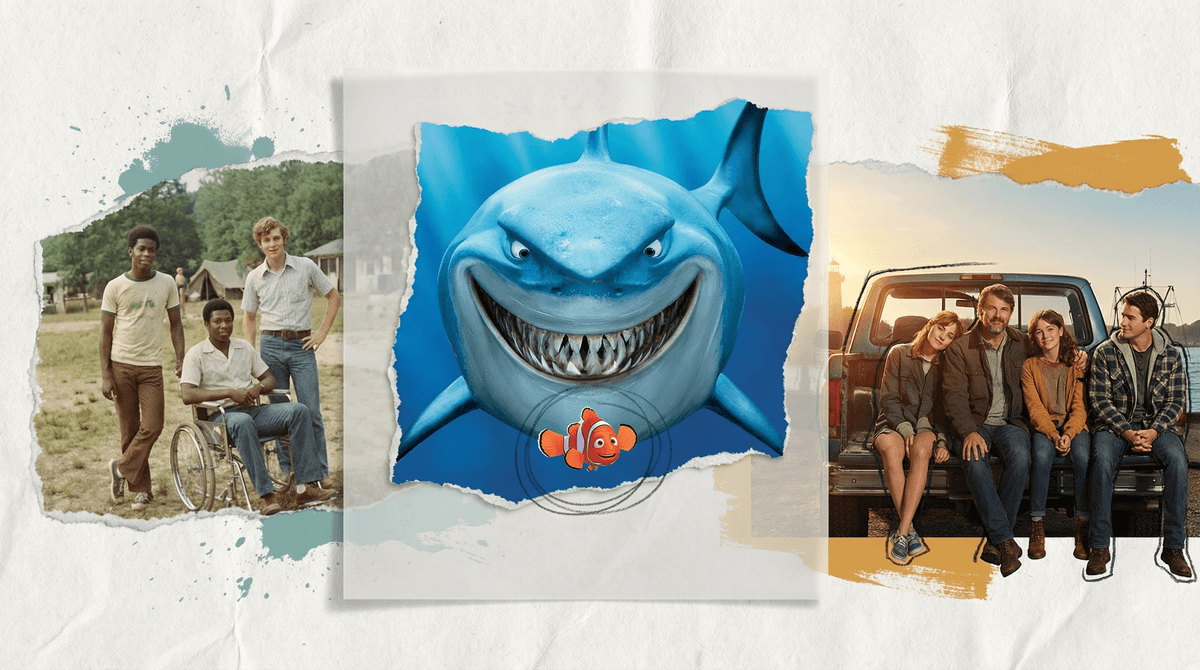
Movies with Disabled Characters: Representation Done Right (and Wrong)
Here's the thing: disability representation in movies matters. About 1 in 4 adults in the US has some form of disability, yet disabled characters make up less than 5% of speaking roles in film. And when they do appear? It's often as inspiration porn, tragic backstories, or—the absolute worst—played by non-disabled actors doing their best "brave performance" for Oscar bait.
But there are films getting it right. Movies where disabled characters are fully realized people with agency, humor, flaws, and stories that aren't just about their disability. These are the films worth watching with your kids—not just because representation matters (though it absolutely does), but because they're actually good stories that happen to reflect the world as it actually exists.
Whether your child is disabled, has disabled friends or family members, or will simply exist in a world with disabled people (spoiler: they will), how media portrays disability shapes their understanding of it.
The old model—disabled characters as tragic figures to be pitied or "inspirational" heroes who "overcome" their disability—is not just tired, it's harmful. It teaches kids that disability is something to be fixed or overcome rather than a natural part of human diversity. It also sends disabled kids the message that their value lies in being inspirational to non-disabled people, which is... a lot of pressure for a Tuesday.
Good representation shows disabled characters as complex people. They have goals unrelated to their disability. They're funny, annoying, kind, selfish—you know, human. And crucially, they're often played by disabled actors who bring authentic lived experience to the role.
CODA (Ages 10+)
This Best Picture winner features a hearing daughter of Deaf parents, and here's what makes it work: the Deaf characters (played by actual Deaf actors) are fully realized people with their own stories, conflicts, and humor. They're not there to teach the hearing characters life lessons. The family signs naturally, argues in ASL, and the film doesn't treat Deaf culture as something exotic or sad. It's just... life. Fair warning: there's some sexual content and language, so preview before family movie night with younger kids.
Finding Nemo (Ages 5+)
Nemo has a "lucky fin" (a smaller fin from birth), and the movie handles it brilliantly. Marlin's overprotectiveness isn't portrayed as noble—it's shown as limiting. Nemo's fin is acknowledged but doesn't define him. He's a kid who wants adventure, makes bad choices, and saves the day. The disability is part of his character, not his entire character.
Everything Everywhere All at Once (Ages 14+)
Features a character who uses a wheelchair, and it's never made into a plot point or inspirational moment. They're just... there, living their life across the multiverse. Revolutionary concept, right? Note: This movie is wild and definitely for teens, not younger kids.
Crip Camp (Ages 12+)
This documentary about a summer camp for disabled teens in the 1970s and the disability rights movement it sparked is essential viewing. It's directed by a disabled filmmaker, centers disabled voices, and shows disabled people as activists, leaders, and agents of change. It's also genuinely fun and moving without being maudlin.
Me Before You - The entire premise is that a disabled man's life isn't worth living, so he chooses assisted suicide. This sends a horrific message to disabled viewers and perpetuates the idea that disability = suffering. Hard pass.
Music (directed by Sia) - Cast a non-autistic actor to play an autistic character, ignored the autistic community's concerns, and portrayed restraint techniques that can be dangerous. The backlash was swift and deserved.
The Fault in Our Stars - Look, it's not terrible, but it leans heavily into the "sick kids teaching us about life" trope. The characters exist primarily to inspire and move able-bodied viewers, which is textbook inspiration porn.
When evaluating disability representation with your kids, ask:
Is the disabled character the only one defining themselves by their disability? Or do they have goals, relationships, and storylines independent of it?
Are disabled actors playing disabled characters? This matters. Disabled actors bring authenticity and nuance that non-disabled actors simply can't replicate, no matter how good their "brave performance" is.
Is the story about "overcoming" disability? This framing suggests disability is a problem to be solved rather than a fact of life. Better stories show characters navigating a world not built for them.
Does the disabled character have agency? Or are they a prop for an able-bodied character's growth?
Is disability treated as a tragedy? Or just as part of the human experience?
After watching a movie with disability representation, try these conversation starters:
"What did you notice about how [character] was treated by other people in the movie?"
"Did [character's] disability seem like the most important thing about them? What else was important to them?"
"How was the world in the movie set up for people with disabilities? What was hard for them that didn't need to be?"
For older kids: "Why do you think they cast a [disabled/non-disabled] actor for this role? How might that change the story?"
Good disability representation isn't about making disabled characters saints or victims. It's about showing them as people. Complex, flawed, interesting people whose stories matter beyond being inspirational to non-disabled viewers.
The films that get this right are out there, and they're worth seeking out—not as homework or virtue signaling, but because they're good stories that reflect the actual diversity of human experience. And honestly? Your kids will be better humans for seeing disability portrayed as just... part of life.
Start with CODA or Finding Nemo depending on your kids' ages. Watch together, then talk about what they noticed. And if your kids ask questions about disability—good. That means they're paying attention and thinking critically about representation.
Want more recommendations? Check out our guide to inclusive family movies or explore documentaries that center marginalized voices.