

BookTok is the book-loving corner of TikTok where readers share recommendations, react to plot twists, and create those aesthetic "book haul" videos with fairy lights and iced coffee. It's genuinely gotten millions of teens reading again, which is amazing! Bookstores now have dedicated BookTok shelves, and authors are going viral overnight.
But here's the thing: a huge portion of BookTok's most popular recommendations are extremely explicit romance novels written for adults. We're not talking about a few kissing scenes or fade-to-black moments. We're talking graphic sexual content, sometimes with darker themes like power imbalances, violence, or dubious consent scenarios.
And the algorithm doesn't care that your 12-year-old just wanted recommendations for fantasy books.
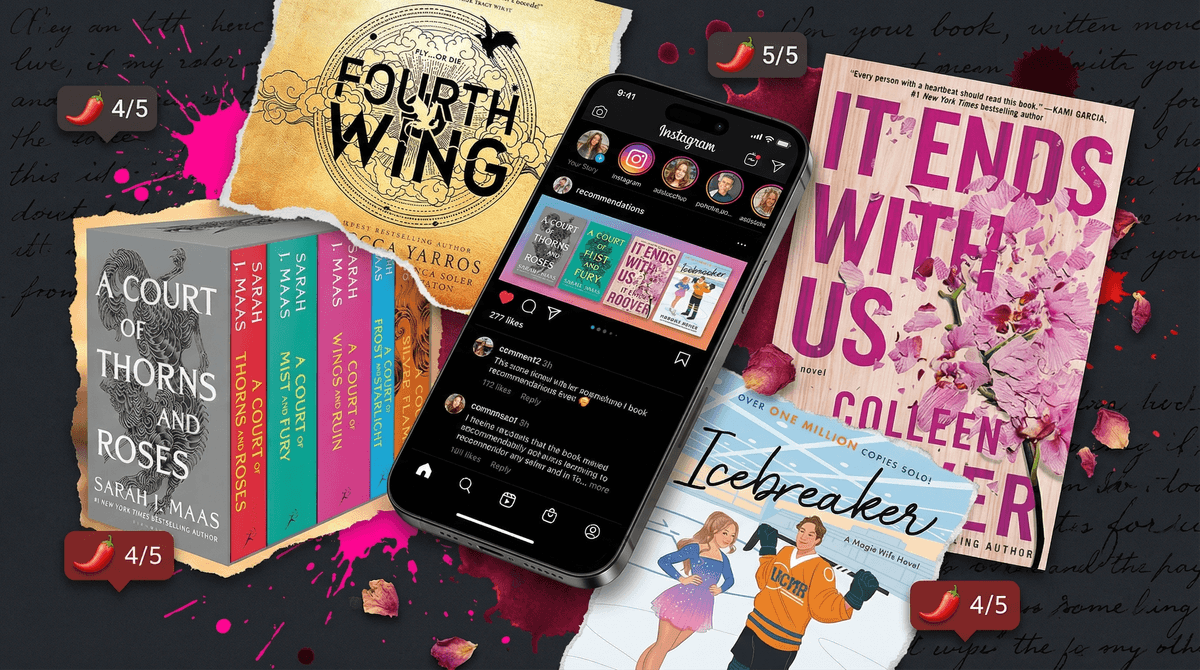
During the pandemic, romance novels exploded on TikTok. Books like A Court of Thorns and Roses by Sarah J. Maas (ACOTAR) and Fourth Wing by Rebecca Yarros became viral sensations. The community coined the term "spicy" to rate sexual content (🌶️ to 🌶️🌶️🌶️🌶️🌶️), which sounds cute and harmless but is basically a rating system for how explicit the sex scenes are.
The problem? These videos are designed to hook you with dramatic reactions, trending sounds, and zero context about content. A video titled "fantasy books with strong female leads" might recommend books that are 30% plot and 70% detailed sex scenes. And because TikTok's algorithm is so good at keeping you watching, kids go from "I liked Harry Potter" to "everyone says I HAVE TO read this" in about fifteen minutes.
Let's be specific about what we're dealing with. Some of the most recommended BookTok titles include:
- ACOTAR series - Starts YA-ish, becomes very explicit by book 2
- Fourth Wing - Extremely popular, very graphic sexual content
- It Ends With Us by Colleen Hoover - Domestic violence, sexual content, heavy themes
- Icebreaker by Hannah Grace - College romance, explicit scenes
- Anything by Penelope Douglas - Often includes dark romance themes, bullying, power dynamics
These aren't bad books (well, some are better written than others), but they're written for adults. The problem isn't that these books exist—it's that they're being algorithmically recommended to kids who just wanted to find their next fantasy series.
Your teen isn't seeking out adult content to be rebellious (usually). Here's what's actually happening:
The algorithm is incredibly effective. TikTok serves up what's popular, and these books are POPULAR. The videos are everywhere, with millions of views and comments saying "this book changed my life."
FOMO is real. When every BookTok video references the same books and everyone's making inside jokes about specific scenes, kids feel left out if they haven't read them.
The covers and marketing don't scream "adult content." These books have gorgeous, fantasy-style covers that look like YA novels. There's no rating system like movies have.
Reading feels "safe" to parents. We're thrilled our kids are reading instead of doomscrolling, so we're less likely to monitor what books they're choosing the way we might monitor movies or games.
Teens are curious about sex and relationships. That's completely normal and developmentally appropriate. But there's a difference between age-appropriate exploration and extremely graphic adult content.
These books can be genuinely problematic beyond just sexual content. Many popular "dark romance" books romanticize toxic relationship dynamics—possessive behavior, jealousy as proof of love, blurred consent. For teens still learning what healthy relationships look like, this can be genuinely confusing.
Your teen's friends are probably reading them too. In many middle and high schools, these books are THE books everyone's talking about. It's not just online—they're discussing them at lunch.
Bookstores and libraries aren't gatekeeping. These books are shelved in adult fiction, but there's nothing stopping a 12-year-old from checking them out. Many parents have discovered their kids reading these books after borrowing them from the school library.
The "spicy" rating system is vague and inconsistent. One person's 🌶️🌶️ is another person's 🌶️🌶️🌶️🌶️. There's no standardized system, so teens can't actually gauge what they're getting into.
Ages 10-13: These books are not appropriate, full stop. The sexual content is explicit and adult, and the relationship dynamics are often unhealthy even for adults to navigate. If your middle schooler is on BookTok, they're seeing these recommendations constantly. Consider having a conversation about what makes content age-appropriate and help them find actually-YA fantasy and romance that won't jump from kissing to extremely graphic scenes.
Ages 14-16: This is the gray area. Some mature 16-year-olds might be ready for books with sexual content, but many of these popular BookTok books go way beyond what's typical even in mature YA. The bigger concern is often the romanticization of unhealthy relationship dynamics. If your teen is reading these books, it's worth having conversations about what healthy relationships actually look like.
Ages 17+: At this point, most teens can handle adult content, but it's still worth discussing the difference between fiction and reality, especially around consent and relationship dynamics.
Don't freak out if you discover your teen has already read some of these books. Shaming them will just make them hide it better. Instead, ask what they thought about it, what they liked, whether anything made them uncomfortable.
Use this as an opportunity to talk about relationships and consent. You can say something like, "I know that book was really popular, but some of the relationship stuff in there was pretty toxic. In real life, jealousy and possessiveness aren't romantic—they're red flags."
Help them find better BookTok. There ARE BookTok creators who focus on actual YA and middle grade books. Search for hashtags like #YABookTok, #CleanBookTok, or #MGBookTok. Some great BookTok accounts focus on age-appropriate fantasy and romance without the graphic content.
Introduce them to Common Sense Media or book review sites. These resources include content warnings and age recommendations. Teaching your teen to check reviews before diving in gives them agency while helping them make informed choices.
Consider reading the book yourself (or at least reading detailed reviews). You can't have a meaningful conversation about a book if you have no idea what's in it. If your teen is already reading it, reading it yourself shows you respect their interests while giving you context for discussion.
Set up a family book club vibe. Not in a forced way, but casually asking "what are you reading?" and actually engaging with their answer. If they feel comfortable talking to you about books, they're more likely to come to you when something in a book makes them uncomfortable.
There ARE fantastic books going viral on BookTok that are age-appropriate. Some worth checking out:
- The Hunger Games series - Having a resurgence and still excellent
- Six of Crows by Leigh Bardugo - Fantastic fantasy heist with great characters
- The Cruel Prince by Holly Black - Fae politics and romance, some mature themes but appropriate for older teens
- Heartstopper by Alice Oseman - Sweet LGBTQ+ romance, genuinely wholesome
- Percy Jackson series - Also having a renaissance thanks to the Disney+ show
BookTok has done something amazing by getting kids excited about reading again. But the algorithm doesn't distinguish between content for adults and content for teens, and the "spicy" romance genre dominates the platform.
This isn't about censorship or being a helicopter parent. It's about recognizing that extremely explicit adult content is being marketed to kids through an algorithm that prioritizes engagement over age-appropriateness, and the cute "spicy" terminology obscures just how graphic these books actually are.
The goal isn't to ban your teen from BookTok or make them feel ashamed for being curious. It's to help them develop media literacy, understand what healthy relationships look like, and find books that match their actual maturity level—not just what's trending.
- Have a low-key conversation about what your kid is seeing on BookTok and what they're reading
- Follow some age-appropriate BookTok accounts together
- Learn more about helping teens develop media literacy
- Check out alternatives to TikTok if you're considering limiting access
- Remember that reading is still good! The goal is guidance, not gatekeeping
And if your teen has already read Fourth Wing, they've probably already seen more explicit content than you realized. It's not the end of the world—it's just time for some honest conversations about fiction versus reality, and what healthy relationships actually look like.