

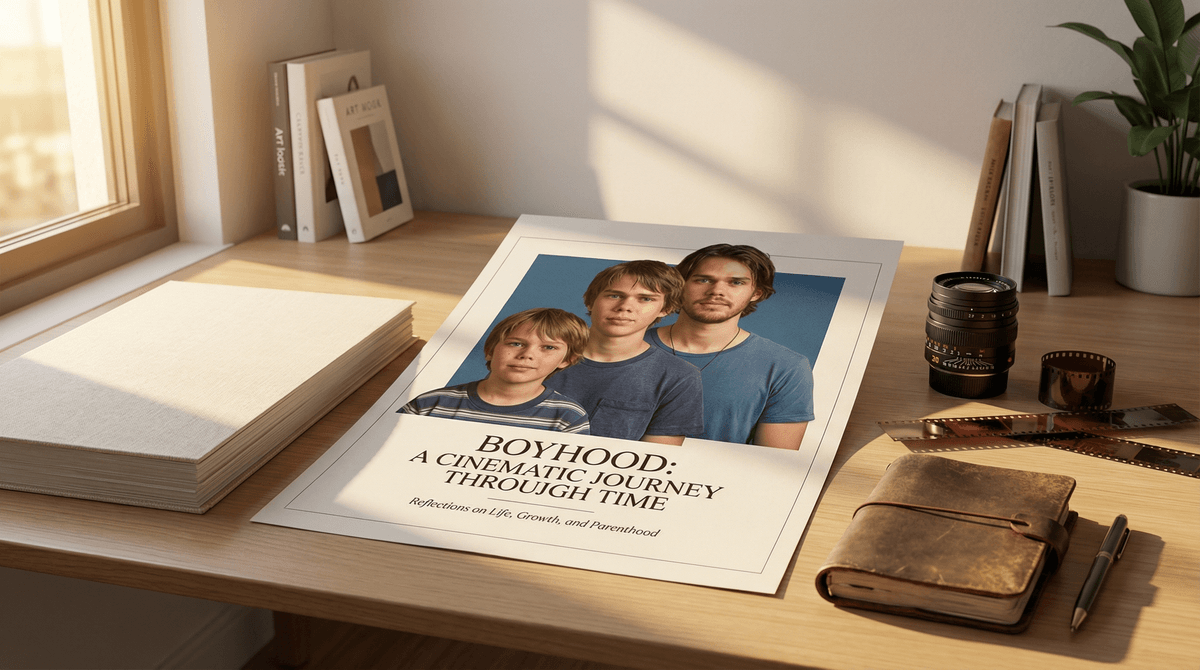
Is Boyhood Appropriate for 12-Year-Olds?
Richard Linklater's Boyhood is rated R for language and some teen drug and alcohol use. While it's a profound, tender coming-of-age film that many parents consider watching with their 12-year-olds, it contains realistic depictions of teenage life including frequent f-bombs, underage drinking, marijuana use, and some sexual references.
The short answer: It depends on your kid and your family's comfort level with realistic portrayals of adolescence. If you've already had conversations about substance use and your preteen can handle adult language, this could be a meaningful watch-together experience. If not, maybe wait a year or two.
Boyhood was filmed over 12 years with the same cast, following Mason (Ellar Coltrane) from age 6 to 18. It's not a plot-driven movie—it's a series of moments that capture what growing up actually feels like. You watch this kid literally grow up on screen, dealing with divorced parents, moving to new schools, first crushes, family dysfunction, and the slow realization that childhood is ending.
It's the kind of film that film teachers love and some kids find boring. There are no explosions, no clear villain, no dramatic plot twists. It's just... life. Which is exactly why it resonates so deeply with people who connect with it.
The film won dozens of awards and was nominated for six Oscars. Critics called it a masterpiece. But that doesn't automatically make it right for your 12-year-old.
Language
This is the big one. The f-word appears frequently throughout the film—we're talking dozens of times. It's not gratuitous in the sense that characters aren't screaming profanity at each other, but it's how teenagers and adults actually talk in the world Linklater is portraying. There's also other strong language (shit, ass, etc.) used casually throughout.
If your kid plays Fortnite with voice chat on, they've probably heard worse. But hearing it in a movie you're watching together as a family is a different experience, and you know your comfort level better than anyone.
Substance Use
Mason and his friends drink beer and smoke marijuana as teenagers (around ages 15-17 in the film). These scenes aren't glorified—they're presented matter-of-factly as part of teenage experimentation. There's also a storyline involving Mason's stepdad's alcoholism that gets pretty intense, including verbal abuse and threatening behavior toward the family.
One of Mason's college-aged friends talks about doing mushrooms. Again, it's presented as just something that happens, not as a cautionary tale or a celebration.
Sexual Content
There's talk about sex and some sexual references, but no nudity or sex scenes. Mason looks at lingerie catalogs as a younger kid. Teenagers discuss their romantic and sexual interests in age-appropriate ways. A college-aged character mentions having sex. It's all pretty tame compared to most teen comedies, honestly.
Emotional Intensity
The scenes with the alcoholic stepdad (played by Marco Perella) are genuinely frightening. He's verbally abusive, throws things, and creates an atmosphere of tension and fear. For kids who've experienced family violence or instability, these scenes could be triggering. For others, they might spark important conversations.
There's also the general emotional weight of watching a family struggle with divorce, financial stress, and the challenges of single parenthood. It's real in a way that might hit close to home.
The film captures the texture of growing up with such authenticity that it can be a powerful conversation starter. You're watching Mason navigate:
- Blended family dynamics and stepparent relationships
- Moving and changing schools repeatedly
- First crushes and heartbreak
- Finding identity through interests like photography
- Parent-child relationships evolving as kids age
- The bittersweet passage of time
For families who prioritize media literacy and use films as springboards for discussion, Boyhood offers rich material. The film doesn't tell you what to think—it just shows you moments and lets you process them.
Many parents report that watching it with their preteen or teen led to some of the best conversations they've had about growing up, making choices, and how quickly childhood passes.
For most 12-year-olds: This is probably a stretch unless they're mature for their age and you're committed to watching together and discussing afterward.
For 13-14-year-olds: This is the sweet spot for many families. Kids this age are starting to think about their own journey to high school and beyond, and they can better appreciate the film's themes.
For 15+: Absolutely appropriate, though some teens might find it slow or "boring" if they're used to more plot-driven entertainment.
Red flags that suggest waiting:
- Your kid gets scared easily by family conflict scenes
- You haven't yet had conversations about alcohol and drug use
- Strong language is a hard no in your household
- Your child has experienced trauma around family violence or instability
Green lights that suggest it might work:
- Your kid is thoughtful and enjoys character-driven stories
- You've already discussed substance use, peer pressure, and making choices
- Your family values realistic portrayals over sanitized ones
- You're planning to watch together and debrief afterward
It's long: 2 hours and 45 minutes. That's a commitment. Some kids will be riveted; others will be checking how much time is left.
It's a watch-together film: This isn't a "put it on for the kids" movie. The value comes from experiencing it together and talking about what you're seeing. Learn more about co-viewing strategies .
.
The R rating is accurate: Don't let the gentle, slice-of-life nature fool you. The rating is there for good reasons, and the MPAA got this one right.
It might make you cry: Fair warning—this film hits parents hard. Watching time pass, seeing Mason's mom (Patricia Arquette) struggle and persevere, witnessing the small moments that make up a childhood... it's a lot. You might find yourself more emotional than your kid.
Context matters: If your family has experienced divorce, alcoholism, or frequent moves, this film will resonate differently than for families with more stability. That could make it more powerful or more difficult—you know your situation best.
If you love the coming-of-age genre but want something more age-appropriate for 12-year-olds:
- The Sandlot (PG) - Classic summer nostalgia
- Stand By Me (R, but gentler) - Four boys on an adventure
- The Karate Kid (PG) - Mentorship and growing up
- Eighth Grade (R) - Modern coming-of-age, also intense but shorter
- Lady Bird (R) - Mother-daughter relationship, high school years
For books that capture similar themes with more age-appropriate content, check out coming-of-age books for middle schoolers.
Boyhood is a beautiful, authentic film about growing up. It's also rated R for legitimate reasons. The question isn't whether it's a good movie (it is), but whether your specific 12-year-old is ready for its realistic portrayal of teenage life.
Watch it yourself first. Seriously. It's nearly three hours, but you need to see what you're working with before deciding if it's right for your kid. Pay attention to your own reactions during the stepdad scenes, the substance use moments, and the language. That'll tell you what you need to know.
If you decide to watch together, clear your schedule for conversation afterward. Ask what surprised them, what felt real, what they're thinking about. The film works best as a shared experience, not a passive viewing.
And if you decide to wait? That's completely valid. The film will still be there when your kid is 14 or 15, and it might land even better with a little more life experience under their belt.
There's no award for watching R-rated films at the youngest possible age. Trust your instincts, know your kid, and make the call that feels right for your family.
Want to explore more? Check out other coming-of-age films or learn about age ratings and what they actually mean.