

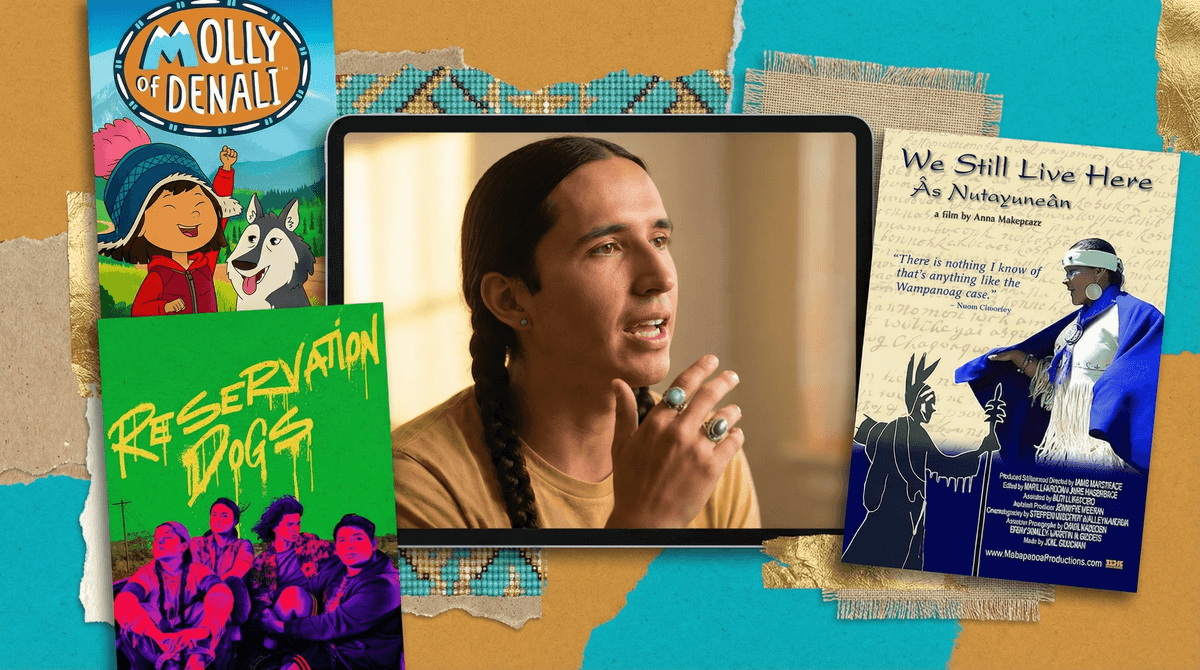
Indigenous culture videos are exactly what they sound like—digital content (YouTube videos, documentaries, TikToks, educational series) that explore the histories, traditions, languages, and contemporary lives of Indigenous peoples. These can range from animated stories retelling traditional legends to modern Indigenous creators sharing their daily lives, to full documentaries about specific tribes and nations.
The thing is, finding authentic, respectful content that actually centers Indigenous voices rather than perpetuating harmful stereotypes? That's where it gets tricky. Because let's be real—there's a lot of content out there that treats Indigenous cultures like they're frozen in time, exotic curiosities, or worse, Halloween costumes.
Here's the deal: most kids' exposure to Indigenous cultures comes from deeply problematic sources. Think Disney's Pocahontas (yikes), Thanksgiving pageants with construction paper feathers (double yikes), or history textbooks that treat Indigenous peoples as if they vanished after 1890.
Indigenous peoples are not historical artifacts. There are 574 federally recognized tribes in the US alone, plus hundreds more Indigenous nations across the Americas and worldwide. These are living, thriving cultures with contemporary artists, activists, scientists, and yes—content creators.
When kids only see stereotyped or romanticized versions of Indigenous cultures, they miss out on understanding the real people, the ongoing impacts of colonization, and the incredible resilience and contributions of Indigenous communities today. Plus, for Indigenous kids themselves, seeing authentic representation matters enormously for identity and pride.
Green flags for authentic content:
- Created by Indigenous people. This is non-negotiable. Look for content where Indigenous creators are telling their own stories.
- Specific tribal/nation identification. Good content names specific peoples—Diné (Navajo), Lakota, Anishinaabe, etc.—rather than lumping everyone together as "Native American."
- Contemporary perspectives. Content that shows Indigenous people in modern contexts, not just historical reenactments.
- Multiple voices and diversity. Indigenous cultures are incredibly diverse—no single person or video can represent all Indigenous experiences.
Red flags to avoid:
- "Spirit animal" language or other appropriated spiritual concepts treated casually
- Pan-Indigenous stereotypes—feather headdresses, tipis, and "how" as if all Indigenous cultures are identical
- Savior narratives where white people are centered as heroes
- Mystical/magical Indigenous characters who exist only to teach white protagonists life lessons
- Thanksgiving mythology that erases violence and presents colonization as a friendly dinner party
- Content that treats Indigenous cultures as extinct or purely historical
Ages 3-7: Start with Indigenous-created picture books adapted to video or read-aloud format. Look for channels like We Are Storytellers which features Indigenous authors reading their own books. The animated series Molly of Denali on PBS is excellent—it follows a 10-year-old Alaska Native girl in contemporary Alaska, created with extensive Indigenous consultation.
Ages 8-12: This age can handle more complex content. Reservation Dogs is fantastic for older tweens (check individual episodes—some mature content). For YouTube, channels like Navajo Traditional Teachings and Xiuhtezcatl (young Indigenous environmental activist) offer accessible, authentic perspectives. Documentaries like We Still Live Here about the Wampanoag language revival are powerful for this age.
Ages 13+:
Teens can engage with more challenging content. Look for documentaries about contemporary Indigenous issues —water rights, Missing and Murdered Indigenous Women (MMIW), language preservation, land back movements. TikTok actually has a vibrant Indigenous creator community using hashtags like #NativeTikTok and #IndigenousPeoplesDay where creators share everything from traditional recipes to calling out appropriation.
Don't make it a one-time thing. Indigenous Peoples' Day rolls around and suddenly everyone's interested, then crickets the rest of the year. Make Indigenous content a regular part of your media diet.
Be ready to unlearn stuff together. You probably learned some incorrect things about Indigenous history and cultures. It's okay to say to your kid, "I was taught this in school, but I've learned that wasn't accurate. Here's what actually happened."
Talk about representation. Ask questions like: "Who made this video? Is this person from the culture they're talking about? How do you think it would be different if it was made by someone from outside that culture?"
Address appropriation directly. When your kid sees someone wearing a headdress as a costume or a sports team with a racist mascot, name it. "That's not respectful because it treats sacred items like costumes" or "That stereotype is harmful because it treats real people like cartoon characters."
Connect past to present. Help kids understand that Indigenous peoples aren't historical figures—they're your neighbors, classmates, doctors, artists, and yes, the people making the YouTube videos you're watching.
Indigenous culture videos can be incredible educational tools and windows into diverse, vibrant cultures—when they're created by Indigenous people themselves. The key is being intentional about seeking out authentic voices rather than defaulting to whatever pops up first on YouTube or whatever your school assigns.
This isn't about being perfect or walking on eggshells. It's about teaching kids to be thoughtful consumers of media who can recognize when someone's story is being told by them versus told about them. That's a skill that applies way beyond Indigenous content—it's media literacy, period.
Start with one good channel or creator. Don't overwhelm yourself trying to overhaul everything at once. Find one Indigenous creator whose content fits your kid's age and interests, and go from there.
Check your bookshelf and queue. Take a look at what Indigenous-related content you already have. Is it created by Indigenous people? If not, time for an upgrade.
Follow Indigenous creators on your own social media. The algorithm will start showing you more, and you'll naturally discover new recommendations.
Support Indigenous creators directly. Many Indigenous content creators rely on Patreon, Ko-fi, or direct support because they're often overlooked by mainstream platforms and funding.
And hey, if you're wondering how to handle Thanksgiving conversations or need more specific recommendations for your kid's age, Screenwise can help you figure that out too.