

Let's be real: when you think "family movie night," your brain probably goes straight to Disney+, Pixar, or whatever DreamWorks thing your kids have already seen seventeen times. But here's the thing—there's a whole world of independent films out there that are thoughtful, creative, and actually worth watching together. Films that don't talk down to kids, don't rely on fart jokes (okay, maybe a few), and might actually spark a conversation that goes beyond "which character would win in a fight?"
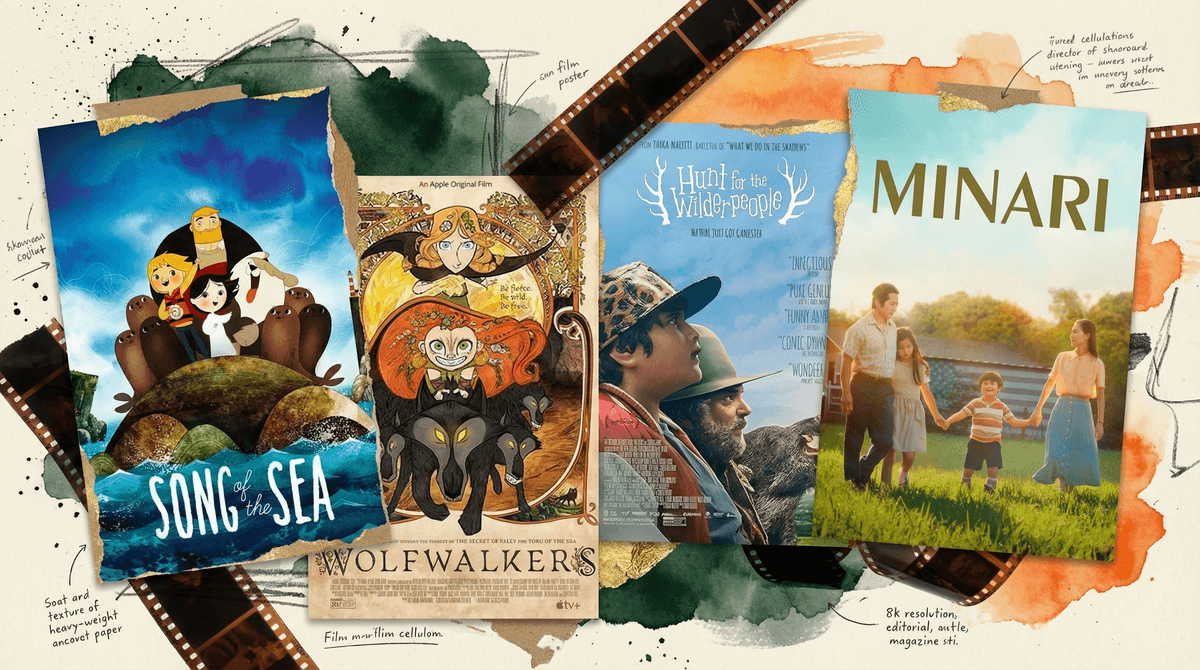
Indie films for families are movies made outside the major studio system—lower budgets, less marketing muscle, but often way more heart and originality. They're the films that premiere at Sundance or TIFF, get picked up by smaller distributors, and end up on streaming platforms without the massive promotional push. Think Hunt for the Wilderpeople, Wolfwalkers, or My Neighbor Totoro—films that trust kids to handle nuance, emotion, and stories that don't wrap everything up in a perfect bow.
Here's why you might want to venture beyond the blockbuster comfort zone: diversity of storytelling. Major studios have formulas that work (and honestly, sometimes we need that predictability). But indie films often take risks—they tackle difficult topics, feature underrepresented voices, use different animation styles, or just tell stories that feel more human and less focus-grouped.
Plus, let's talk money. A Disney+ subscription is $15.99/month. A single movie ticket? Easily $15-20 per person. Meanwhile, many incredible indie films are sitting on your existing streaming services or available to rent for $3-5. You're not paying the "Disney tax" for brand recognition.
And here's the kicker: kids often love these films just as much. They're not sitting there thinking "this doesn't have the Marvel logo, therefore it's inferior." They're just watching a good story. We're the ones who've been conditioned to think family entertainment has to come from specific sources.
Let me break down some categories and specific recommendations, because "indie films" is a massive umbrella:
Animation Beyond Pixar
The Secret of Kells (Ages 7+) and Song of the Sea (Ages 6+) from Irish studio Cartoon Saloon are visually stunning, rooted in Celtic mythology, and genuinely moving. They're slower-paced than most American animation, which means your kids might need a minute to adjust, but stick with it.
Kubo and the Two Strings (Ages 8+) from Laika is stop-motion magic with Japanese folklore influences. It deals with grief and loss in ways that are honest but not traumatizing.
Wolfwalkers (Ages 7+) is another Cartoon Saloon gem—set in 17th century Ireland, about friendship, colonialism, and transformation. The animation style alone is worth it.
Live Action Adventures
Hunt for the Wilderpeople (Ages 10+) is a New Zealand film from Taika Waititi about a foster kid and his grumpy foster uncle on the run in the bush. It's funny, heartfelt, and has actual character development. Some mild language and themes around foster care/loss.
Beasts of the Southern Wild (Ages 11+) is more intense—a young girl named Hushpuppy navigates life in a Louisiana bayou community facing environmental disaster. It's poetic and challenging, definitely not light viewing, but powerful for older kids ready for something deeper.
The Peanut Butter Falcon (Ages 10+) follows a young man with Down syndrome who escapes his care facility to pursue his dream of becoming a wrestler. It's an adventure story with real heart and humor, featuring Shia LaBeouf in one of his better roles.
Quieter, Character-Driven Stories
Minari (Ages 10+) tells the story of a Korean-American family trying to make it on an Arkansas farm in the 1980s. It's about immigration, family tension, and the American dream—but through a lens you rarely see in mainstream cinema.
The Farewell (Ages 12+) deals with a Chinese-American family deciding not to tell their grandmother she's dying. It's a beautiful exploration of cultural differences, family loyalty, and what it means to be caught between two worlds. Mature themes but handled with warmth and humor.
Studio Ghibli (The Gateway Drug)
If you haven't already discovered Hayao Miyazaki's films, start here. My Neighbor Totoro (Ages 4+) is the perfect entry point—gentle, magical, no villain. Kiki's Delivery Service (Ages 6+) is about a young witch starting her own business and dealing with burnout (relatable, right?). Spirited Away (Ages 8+) is weirder and more intense but absolutely worth it.
Here's the thing about indie films: they often don't follow the same rating patterns as mainstream movies. A PG-13 indie might have one instance of strong language but otherwise be totally fine for a 10-year-old. Or a PG film might deal with themes of death and loss in ways that are more emotionally complex than your average Marvel movie.
Ages 4-7: Stick with Studio Ghibli's gentler offerings (My Neighbor Totoro, Ponyo), some Cartoon Saloon films, and lighter fare like Paddington (technically not indie but has that vibe).
Ages 8-11: This is prime time for Kubo, Hunt for the Wilderpeople, The Secret of Kells, and most Studio Ghibli films. They can handle more emotional complexity and slower pacing.
Ages 12+: Now you can explore films like The Farewell, Minari, and Beasts of the Southern Wild. These deal with mature themes but in thoughtful ways that can lead to great conversations.
Pro tip: Watch trailers together before committing. Talk about what to expect. "This movie is slower than what we usually watch" or "This deals with some sad stuff but it's also really beautiful" sets the right expectations.
Pacing: Indie films often move slower than blockbusters. There's less action, more character development, more breathing room. Some kids will love this; others might need to build up their tolerance. That's okay. You're teaching them that not every story needs to be a dopamine hit every three minutes.
Subtitles: Many great family indie films are international, which means subtitles. Yes, your 7-year-old can read subtitles. Millions of kids around the world do it. Start with films that have strong visual storytelling (The Red Turtle has almost no dialogue) and work up to more dialogue-heavy films.
Emotional complexity: These films don't always have clear heroes and villains. Characters make mistakes. Not everything gets resolved. This is actually a feature, not a bug—it's teaching kids that stories (and life) can be complex and ambiguous.
Where to find them: Most streaming services have indie sections if you dig past the homepage. Check out alternatives to Disney+ for platforms like Kanopy (free with library card!), Mubi (curated indie selection), or even your library's DVD collection (yes, those still exist).
You don't need to abandon Disney and Pixar entirely (those films are popular for a reason). But adding indie films to your rotation gives your kids exposure to different storytelling styles, diverse perspectives, and the understanding that great art doesn't always come with a massive marketing budget.
Start with one film. Maybe it's Hunt for the Wilderpeople because everyone loves Taika Waititi. Maybe it's My Neighbor Totoro because you've heard about it forever. Maybe it's Wolfwalkers because the animation looks cool.
The worst that happens? Your kid says "that was weird, can we watch Encanto again?" Fine. But you might be surprised how often they say "that was different... I liked it."
And honestly? You might find yourself actually enjoying family movie night instead of scrolling your phone while the same animated sequel plays in the background. That alone is worth the price of admission.
This week: Pick one film from this list that matches your kid's age range. Set expectations before you start ("this one's a little different"). Watch it together without phones.
This month: Make "indie film night" a once-a-month tradition. Let kids take turns picking from a curated list.
Going forward: Get recommendations based on your kids' ages and interests. Build a list. Share your favorites with other parents who are tired of the same old options.
Your family's film education doesn't have to be dictated by whatever has the biggest marketing budget. There's a whole world of creative, thoughtful, beautiful films out there waiting for you.