

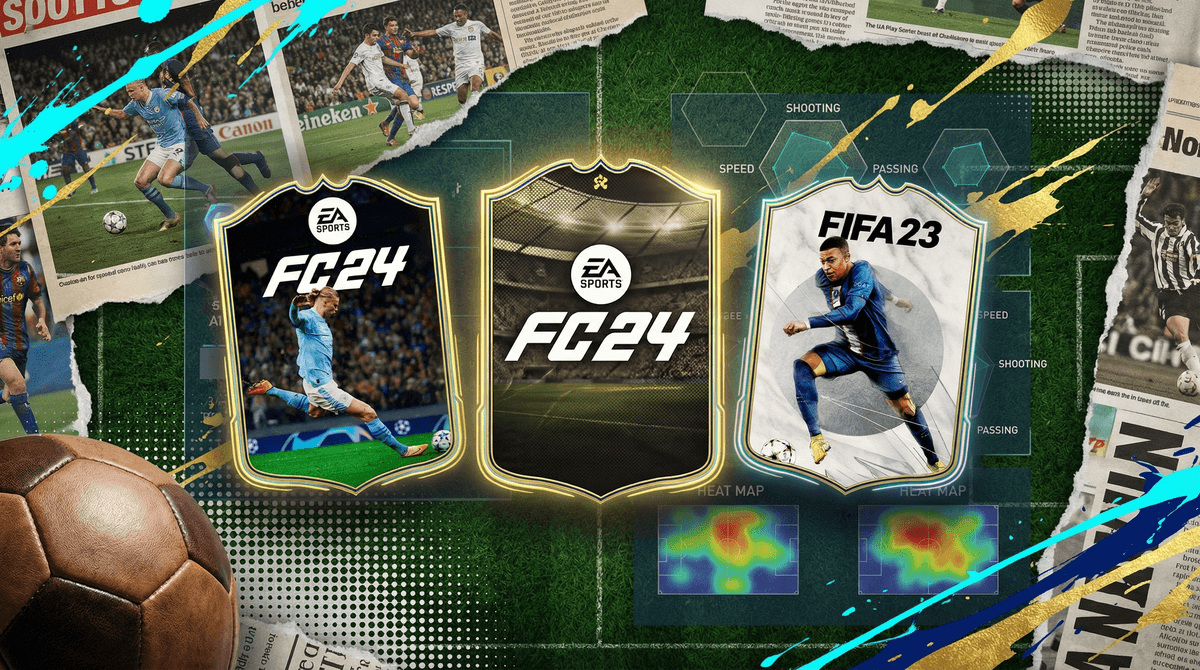
FIFA (now called EA Sports FC since 2023, but still widely known as FIFA) is the world's most popular soccer video game franchise. It's basically a digital version of professional soccer where you can play as real teams, real players, and compete in realistic matches. Think of it as the sports game equivalent of what Fortnite is to battle royale games—it dominates its category.
The game is available on pretty much every platform (PlayStation, Xbox, Nintendo Switch, PC) and is rated E for Everyone by the ESRB, though that rating deserves some serious asterisks we'll get to in a minute.
About 55% of families in your community have gaming consoles in their homes, and FIFA is consistently one of the top-played games on those systems, especially among kids ages 8 and up.
FIFA hits different than other video games because it taps into real-world sports fandom. Kids who play travel soccer, watch Premier League matches with their parents, or just like the energy of the sport get to control their favorite players. You can be Messi, Ronaldo, or whoever's having a moment right now.
But here's the thing—most kids aren't just playing regular matches against friends or the computer. They're playing Ultimate Team mode, and that's where things get complicated.
Ultimate Team is basically fantasy soccer meets collectible card game meets casino. You build a dream team by opening "packs" of player cards (which you buy with in-game currency), then compete online against other people's teams. The better your players, the better your chances of winning. It's genuinely fun and addictive by design—like really, really by design.
Here's where FIFA goes from "fun sports game" to "we need to talk." Ultimate Team runs on a currency called FIFA Points (or FC Points now), which you buy with real money. Kids open packs hoping to get elite players, but it's basically loot boxes—you never know what you're getting. It's gambling mechanics without technically being gambling, and yes, there's been actual research and regulatory scrutiny about this .
.
Parents regularly report their kids spending hundreds—sometimes thousands—of dollars on FIFA Points without fully understanding they're using real money. The game makes it deliberately frictionless: a few button presses and boom, $100 gone.
This is not an exaggeration. There are documented cases of kids racking up massive charges on family credit cards. The game is designed to make you want just one more pack, one more player, one more upgrade.
So yeah, that E for Everyone rating? It doesn't account for the predatory monetization that's baked into the most popular game mode.
Ages 8-10: If your kid is playing FIFA, keep them in regular match modes (Career Mode, Seasons, local multiplayer). These are genuinely fine—just soccer matches with no spending pressure. Absolutely no access to Ultimate Team at this age. They don't have the impulse control or financial literacy to navigate it.
Ages 11-13: You can consider allowing Ultimate Team if you have serious guardrails in place. Remove payment methods from the console, use parental controls to block purchases, and have explicit conversations about how the game is designed to make you spend money. Some parents give their kids a small, fixed amount of FIFA Points as a birthday gift with the understanding that's it for the year—no more.
Ages 14+: Teens can potentially handle Ultimate Team with more autonomy, but honestly, the spending pressure doesn't get easier. This is a good age to talk about how free-to-play games actually make their money and why these systems exist. If your teen is using their own money, set clear limits.
FIFA's online play can get toxic fast. Voice chat during matches often includes trash talk, slurs, and general nastiness—especially in competitive modes. The game has reporting features, but let's be real, they're not catching everything.
If your kid is playing online, turn off voice chat or use platform-level parental controls to restrict communication to friends only. Check out how to manage online gaming safety settings for your specific console.
The competitive nature of Ultimate Team also creates a "keeping up with the Joneses" pressure. Kids compare their teams at school, and there's definitely a pay-to-win element that can make kids feel left behind if they're not spending money.
This isn't just a soccer game. It's a sophisticated engagement and monetization system that happens to involve soccer. EA Sports makes billions (yes, billions) from Ultimate Team alone.
The game resets every year. All those players your kid collected? Gone when the new version comes out. Everything starts over. It's designed that way.
You can still enjoy FIFA without Ultimate Team. Career Mode (where you manage a team over multiple seasons) and local multiplayer are legitimately great. If you're buying FIFA, you're getting a solid sports game—you just need to avoid the monetization trap.
Payment method removal is non-negotiable. If your kid is under 14 and playing Ultimate Team, remove all payment methods from the console. Yes, they'll complain. Yes, it's the right call.
FIFA is a phenomenal soccer simulation wrapped in some really questionable business practices. The core game is fun, the graphics are impressive, and playing as your favorite team can be genuinely exciting. But Ultimate Team mode is designed to extract money from players—including kids who don't fully grasp what they're spending.
This isn't about being anti-gaming or anti-fun. It's about understanding that FIFA isn't just a $60 game—it's potentially a $60 game plus hundreds more if you're not careful.
-
Check your console's purchase history right now if your kid has been playing FIFA. You might be surprised.
-
Set up parental controls to require password approval for all purchases. Here's how to set up console parental controls
. -
Have a conversation about how Ultimate Team works and why the game wants you to spend money. Use it as a teaching moment about digital marketing and impulse control.
-
Consider alternatives if the spending pressure is too much. Games like Rocket League offer competitive sports gaming with less predatory monetization, or check out these alternatives to FIFA.
FIFA isn't evil, but it's not innocent either. With the right boundaries, your kid can enjoy the game without it becoming a financial nightmare. Just go in with your eyes open.