

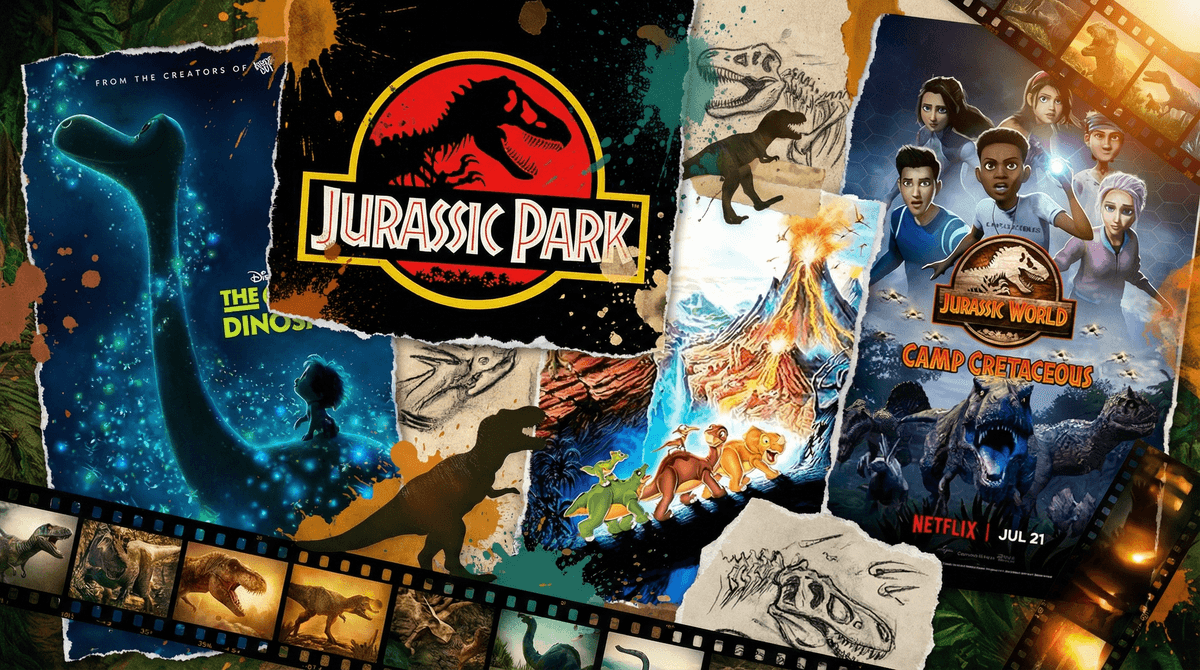
Dinosaur movies have been captivating kids since the dawn of cinema (pun intended). From animated adventures where dinos sing and dance to photorealistic CGI that makes you forget these creatures went extinct 65 million years ago, there's a massive range of what "dinosaur movie" actually means for your family.
The spectrum runs from The Good Dinosaur (gentle, emotional, basically a Pixar therapy session with an Apatosaurus) all the way to the Jurassic Park franchise (people getting eaten in increasingly creative ways). And parents consistently underestimate how intense some of these can be, or overestimate how "educational" others might be.
The challenge? Your dinosaur-obsessed 5-year-old who can pronounce "Pachycephalosaurus" perfectly might not be ready for the kitchen scene in Jurassic Park. And your 10-year-old who thinks they're too cool for "baby stuff" might actually love Jurassic World: Camp Cretaceous more than they'd admit.
There's something universally magnetic about dinosaurs for kids. They're real (unlike dragons or unicorns), they're gone (so perfectly safe to obsess over), and they're huge and powerful (everything a small human is not).
Dinosaurs hit that sweet spot of being both educational and entertaining. A kid can feel smart knowing facts about Velociraptors while also getting the thrill of imagining these massive creatures stomping around. Plus, let's be honest—destruction and chaos are inherently appealing to children, and dinosaurs provide that in a socially acceptable package.
For many kids, the dinosaur phase is also their first deep dive into a topic. It's where they learn that knowledge has depth, that you can become an "expert" on something, and that learning can be genuinely exciting. This is why you'll find yourself listening to your 6-year-old correct adults about the difference between the Triassic and Cretaceous periods.
Ages 2-5: Gentle Giants Only
For the youngest dino fans, you want movies where dinosaurs are friends, not food chains.
Dinosaur Train (technically a show, but there are movie-length specials) is perfect for this age—educational, gentle, and the dinosaurs literally ride trains and have playdates. The Land Before Time is a classic, though heads up: the mother's death scene has traumatized generations of children, so preview first if your kid is sensitive.
The Good Dinosaur is visually stunning but emotionally heavy (another parental death, Pixar's favorite plot device). It's rated PG and works for some 5-year-olds, but know your kid's sensitivity level.
Avoid: Anything with "Jurassic" in the title. Just... no.
Ages 6-8: A Little More Bite
This is where you can introduce slightly higher stakes, but you're still in "adventure" territory, not "horror."
Ice Age: Dawn of the Dinosaurs has action and peril but wrapped in comedy. Jurassic World: Camp Cretaceous (Netflix series) is specifically designed for this age group—it has genuine suspense and dinosaurs being dangerous, but no gore and the kids always survive.
Walking with Dinosaurs (2013) is educational with a narrative story, though the talking dinosaurs feel a bit forced. The original BBC documentary series is better if your kid wants real facts.
Maybe: Jurassic Park, but ONLY if you watch it first and your kid specifically asks for something scarier. Some 8-year-olds are ready. Most aren't. That kitchen scene and the T-Rex attack are genuinely terrifying, and the lawyer getting eaten on the toilet has sent many kids running from the room.
Ages 9-12: Welcome to Isla Nublar
Now we're talking. This is the age where most kids can handle the Jurassic franchise, though even here, there are levels.
Jurassic Park (1993) remains the gold standard—it's PG-13 for good reason, but it's also a masterclass in suspense filmmaking. The violence is mostly implied rather than shown, which somehow makes it scarier. Most 10-year-olds can handle it; some 9-year-olds can't.
Jurassic World (2015) is more action-heavy and has more on-screen deaths, including one particularly brutal death of an assistant that feels gratuitous even for adults. It's rated PG-13 but skews older than the original.
The sequels get progressively more violent and less thoughtful. The Lost World has some genuinely disturbing moments (the cliff scene, the guy getting ripped apart by Compys). Jurassic World: Fallen Kingdom has volcanic destruction and genetic horror elements that feel darker.
Ages 13+: Full Franchise Access
At this point, they can handle the entire Jurassic franchise, including Jurassic World Dominion, which is... look, it's not good. It's actually kind of terrible. But if your teen wants to watch it, the content isn't the issue—the quality is.
Parental death is weirdly common in dinosaur movies. The Land Before Time, The Good Dinosaur, even Walking with Dinosaurs—dead parents everywhere. If your kid struggles with separation anxiety, this is worth knowing in advance.
Intensity vs. gore: Jurassic Park is intense but not particularly gory. You see very little actual violence on screen. Newer films show more. Know which your kid can handle—some kids are fine with action but can't handle blood.
The "educational" trap: Just because a movie has dinosaurs doesn't mean your kid is learning anything accurate. The Jurassic franchise is famously scientifically inaccurate (those Velociraptors should have feathers, people). If your kid wants real dino facts, steer them toward documentaries like Prehistoric Planet (Apple TV+, narrated by David Attenborough, absolutely stunning).
Dinosaur movies span an enormous range of intensity, and the marketing doesn't always match the content. A movie poster with cute cartoon dinos might have a traumatic death scene. A PG-13 rating might mean "fine for mature 10-year-olds" or "genuinely too much for most 12-year-olds."
The move: Watch the first 20 minutes of anything Jurassic-related before showing your kid. You'll know immediately if it's the right fit. For younger kids, stick with animated options and shows designed for their age group. And if your kid is genuinely interested in dinosaurs as a topic, supplement the entertainment with actual documentaries—they're more accurate and often more impressive.
Also, be prepared: once you open the Jurassic Park door, your kid will want to watch all of them, even the bad ones. And they're going to ask you a thousand questions about whether dinosaurs could actually be brought back to life. Here's what you need to know about that conversation .
.
For the dino-obsessed: Check out Prehistoric Planet for the most scientifically accurate and visually stunning dinosaur content available. It's what Jurassic Park wishes it could be in terms of realism.
For families ready for Jurassic Park: Read our full guide to the Jurassic franchise to understand which films work for which ages.
For younger kids: Dinosaur Train and Gigantosaurus offer hours of age-appropriate dino content that's actually educational.
And remember: the dinosaur phase might last six months or six years, but either way, you're going to learn more about the Mesozoic Era than you ever thought possible. Embrace it.