

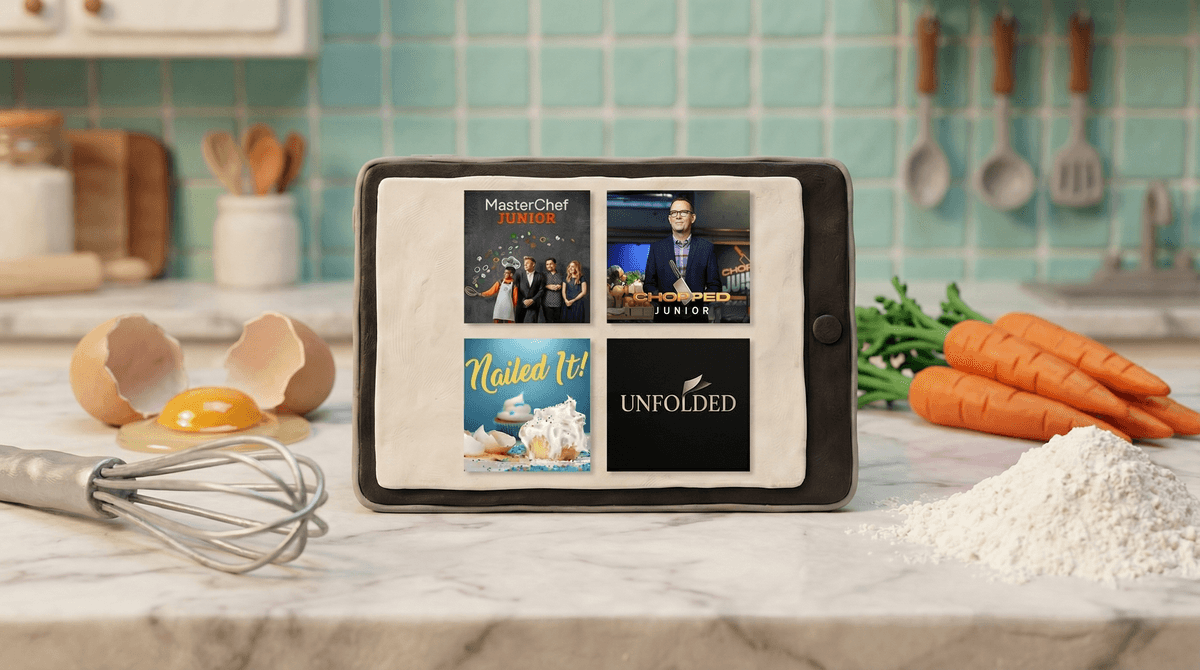
Cooking shows for kids range from polished TV competitions like MasterChef Junior to YouTube channels run by actual kids making ramen in their family kitchen. The landscape has exploded in the past few years—there's everything from Netflix's high-production cooking competitions to TikTok teens sharing 60-second recipe hacks to educational shows that teach knife skills and kitchen science.
The content spans a wild spectrum: you've got Gordon Ramsay (surprisingly gentle with children!) coaching 8-year-olds through beef Wellington, teenage YouTubers testing viral food trends, and Food Network stars creating kid-friendly cooking content. Some shows are pure entertainment, some are legitimate culinary education, and some are... well, let's just say watching someone make a hot Cheetos burrito isn't exactly teaching mise en place.
It's one of the few screen activities that leads directly to real-world creation. Unlike most digital content that ends when you close the app, cooking shows inspire kids to actually get up and make something. That's powerful.
The competition format is genuinely engaging. Shows like Chopped Junior and Nailed It! have all the drama and tension kids love from gaming, but with whisks instead of weapons. There's a timer, there's a challenge, there's a winner—it hits the same dopamine buttons as Fortnite but results in cookies.
Kids see other kids being taken seriously. When a 10-year-old is plating duck confit and having actual chefs critique their work with respect, that's validating. It's not condescending. It's not dumbed down. These shows treat kids like capable humans, which is rarer than it should be.
YouTube cooking content feels accessible. Professional cooking shows can seem aspirational to the point of impossible, but when a 12-year-old with a phone shows you how to make pizza rolls in an air fryer, kids think "I could do that." The production quality is low, the mistakes are visible, and that's the appeal.
The Genuinely Great
MasterChef Junior is the gold standard. Yes, it's a competition. Yes, there's pressure. But Gordon Ramsay is shockingly supportive with kids, the skills taught are legitimate, and the show consistently emphasizes effort and creativity over perfection. Kids ages 8-13 will be glued to it, and honestly, it might inspire your family's next dinner.
The Great British Baking Show: Junior Edition has all the cozy charm of the adult version with none of the manufactured drama. It's wholesome, educational, and will make your kid want to bake bread, which is a parenting win.
Educational YouTube channels like Tasty Junior (part of BuzzFeed's Tasty empire) and Cooking with Jenna offer step-by-step recipes that are actually achievable. These aren't 45-minute episodes—they're 5-10 minute videos that teach one specific thing.
The Messy Middle
Nailed It! is hilarious and takes the pressure off perfection, which is great. But it's also... kind of about laughing at failure? The tone is good-natured, but if your kid is sensitive about messing up in the kitchen, this might not be the vibe. Ages 10+ will get the humor; younger kids might just feel stressed.
Kid YouTube chefs are a mixed bag. Some are teaching real skills. Others are making "recipes" that are basically just mixing candy with more candy. You'll need to vet these individually. Search for the channel name plus "parent review" if you're not sure—though honestly, a quick scroll through their videos will tell you everything you need to know.
The Actually Concerning
Viral food trend content on TikTok and YouTube Shorts is where things get dicey. We're talking about videos that prioritize shock value over safety—extremely spicy challenges, raw food trends, or recipes that waste absurd amounts of food for views. This isn't cooking education; it's engagement farming. And the comments sections can be toxic.
If your kid is watching cooking content on TikTok, you should probably know what that algorithm is serving them . The platform doesn't distinguish between "kid makes pancakes" and "teen eats ghost pepper until they cry."
Ages 5-7: Stick with shows designed for this age group. Nadiya's Time to Eat is warm and accessible. YouTube channels like Simple Cooking Channel have very basic recipes. At this age, you're watching together and cooking together—the show is a jumping-off point, not independent viewing.
Ages 8-12: This is the MasterChef Junior sweet spot. They can watch independently and actually learn techniques. YouTube cooking channels work well here too, but you'll want to set up a kids' profile or curate a playlist. The algorithm will absolutely serve them content you don't want them seeing if left unchecked.
Ages 13+: They're probably finding cooking content on their own via TikTok and Instagram. The question isn't whether to allow it—they're already there—but how to help them think critically about what they're watching. Is this person a trained chef or just someone with a ring light? Is this recipe actually good or just designed to go viral? Teaching media literacy around food content is more valuable than trying to control access.
Kitchen safety is not taught consistently across cooking content. TV shows have insurance and safety coordinators. YouTube teens do not. If your kid is inspired to cook, you need to be the one teaching knife skills, stove safety, and food handling. The screen content is inspiration, not instruction manual.
The cost creep is real. These shows use ingredients that aren't in your pantry. Your 10-year-old will want to make beef Wellington because they saw it on MasterChef Junior. This is a good time to talk about recipe adaptation, budget, and how to substitute ingredients. Or just... make the beef Wellington together. It's actually a great bonding experience, even if it costs $40 in ingredients.
Food waste in cooking content is often absurd. Competition shows throw away so much food. Viral trend videos waste food for views. If your family values sustainability, this is worth discussing. "Why do you think they made five cakes when only one was needed?" is a more useful conversation than banning the content.
Some kids will watch cooking shows and never cook. And that's okay. Not every interest needs to become a productive hobby. If your kid just likes watching people make elaborate desserts, that's a valid form of entertainment. It's no different from watching home renovation shows without ever picking up a hammer.
Co-watch one episode of a show your kid is interested in. You'll immediately know if it's a good fit for your family. If they're watching YouTube, ask them to show you their favorite cooking channel. This isn't surveillance—it's genuine interest in their interests.
Set up a cooking date. Pick a recipe from a show they love and make it together. This is where the magic happens—screen time becomes real-world skill-building. Even if the recipe is a disaster, you've spent time together and learned something.
Create a YouTube playlist of vetted cooking channels if your kid is in the 8-12 range. This gives them independence while keeping the algorithm from serving them "I ate only blue food for 24 hours" content.
Talk about the difference between entertainment and education. Not all cooking content is created equal, and kids need help distinguishing between "this will teach me a skill" and "this is just fun to watch." Both are fine—they just serve different purposes.
Cooking shows for kids are one of the better screen time options available. They inspire creativity, teach real skills, and lead to actual real-world activities. But like all digital content, quality varies wildly—from genuinely educational programming to algorithm-bait garbage.
The best approach? Watch with your kid, talk about what you're seeing, and then get in the kitchen together. The screen is the spark, but the real learning happens when they're holding the whisk.
And if they want to make beef Wellington? Let them try. Worst case scenario, you order pizza and have a good story.