

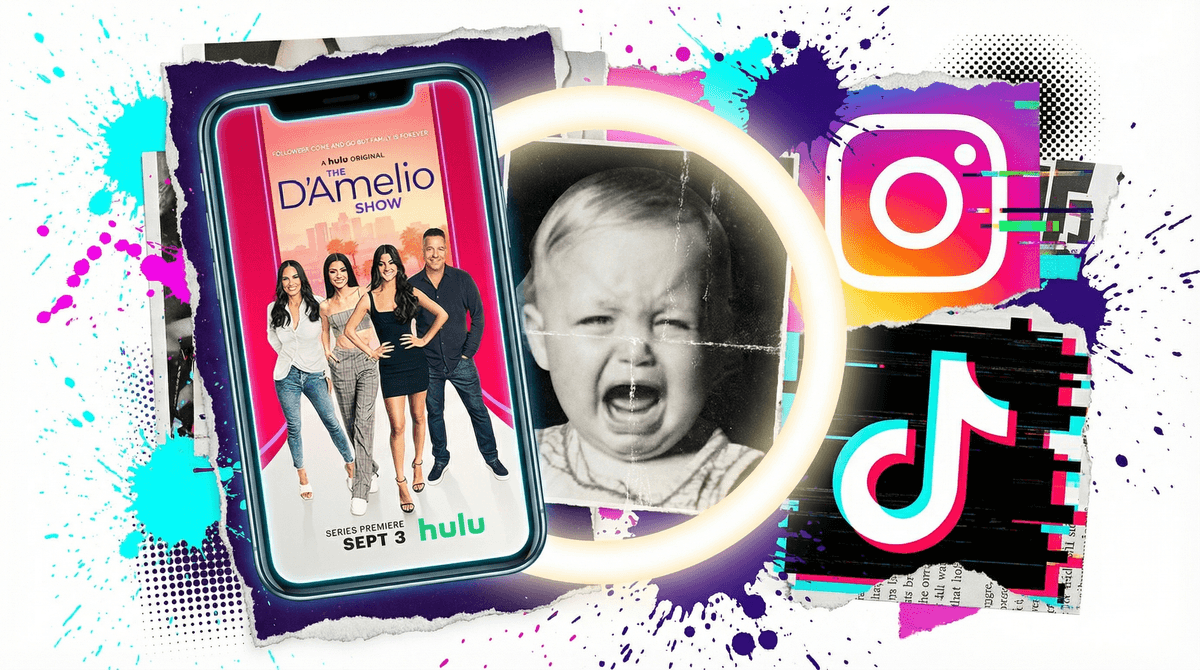
In 2019, a 15-year-old from Connecticut posted a dance video on TikTok, and within months became one of the most-followed people on the internet. Charli D'Amelio didn't invent a revolutionary product or discover a cure for anything—she just danced in her bedroom. By 2020, she had over 100 million followers. By 2025, she's a household name with a reality show, product lines, and a level of influence that would make traditional celebrities jealous.
But here's what matters for parents: Charli isn't an outlier anymore. She's the template. Your child is growing up in a world where "influencer" is a legitimate career aspiration, where teens can build empires from their phones, and where the line between authentic self-expression and personal brand development starts blurring around age 12.
The teen influencer economy is now a multi-billion dollar industry, and it's fundamentally changing how kids think about success, creativity, work, and even friendship.
It's reshaping career aspirations. Recent surveys show that more kids want to be YouTubers or influencers than astronauts or doctors. That's not inherently bad—content creation involves real skills like video editing, storytelling, and audience engagement. But it also comes with unique pressures that most adults don't understand yet.
It's changing the parasocial relationship game. Your kid might feel like they know Addison Rae or Emma Chamberlain because they watch their daily vlogs. These creators share bedroom tours, morning routines, and "authentic" moments. But it's a one-way relationship, carefully curated even when it looks casual. Kids are developing intense emotional connections with people who don't know they exist.
It's accelerating the pressure to perform. When your child's peers are posting content, tracking likes, and building follower counts, the pressure to participate—and succeed—is real. The comparison isn't just "why don't I look like that?" anymore. It's "why doesn't my content perform like theirs?"
It's creating new safety concerns. Teen influencers attract adult audiences. They receive DMs from strangers. Their location, school, and daily routines can become public information. And the comment sections can be brutal.
Let's be honest about what makes this attractive, because dismissing it as "shallow" misses the point entirely.
It looks achievable. Unlike becoming a movie star (which requires agents, auditions, and moving to LA), becoming an influencer just requires a phone. Charli literally started in her bedroom. That accessibility is powerful for kids who feel like traditional paths to recognition are closed to them.
It offers creative expression. Many teen influencers are genuinely talented—whether at dance, comedy, art, or storytelling. TikTok, Instagram, and YouTube provide platforms for creativity that didn't exist before.
It provides community. Comment sections, duets, collabs—these platforms create genuine connections. For kids who feel isolated or misunderstood, finding "their people" online can be meaningful.
It promises financial independence. Teens see influencers their age making real money through brand deals, merchandise , and platform monetization. In an economy where traditional teen jobs are scarce, this feels like a legitimate path.
Ages 8-11: At this age, kids are probably watching influencers more than aspiring to be them. This is the time to build media literacy skills. Watch content together and ask questions: "How do you think they made this video? Do you think their life always looks like this? What do you think they're trying to sell?" Help them understand that what looks effortless usually involves hours of work, multiple takes, and strategic editing.
Ages 12-14: This is peak influencer aspiration age. Many kids will want to start creating content. If your child is interested, consider starting with a private account or family-only sharing. Teach them about digital footprints now—screenshots are forever. If they're posting publicly, be involved. Know their passwords, review their content and comments regularly, and have clear agreements about what's shareable (no location tags, no school uniforms, no full names of friends without parent permission).
Ages 15-17: Older teens may be more serious about content creation, and some are genuinely building skills that could translate to careers in media, marketing, or entertainment. The conversations shift to business literacy: understanding contracts, protecting intellectual property, managing income, and maintaining boundaries with audiences. They also need support navigating the mental health impacts of public feedback and the pressure to constantly produce content.
The algorithm rewards extremes. Platforms don't promote "pretty good" content—they promote content that generates engagement. This often means drama, controversy, or increasingly risky behavior. Teen influencers feel pressure to escalate to stay relevant.
The money is real but unstable. A teen making $10,000 a month from brand deals might make nothing three months later if the algorithm changes or their audience moves on. This creates financial stress that teens aren't equipped to handle.
The mental health toll is significant. Studies show that content creators experience higher rates of anxiety and depression than their peers. The constant feedback loop, the pressure to maintain relevance, and the public nature of any misstep takes a real psychological toll.
The exploitation is rampant. Teen influencers are often approached by brands, managers, and "opportunities" that are predatory. Many don't have proper contracts, financial protection, or adult advocates who understand the industry.
Start by getting curious, not critical. Ask your child who they follow and why. Watch some content together. You might be surprised—some teen influencers are actually creating thoughtful, creative content.
Then have honest conversations about the reality behind the highlight reel. Share articles about influencers discussing burnout, the business side of content creation, or what happens when viral fame fades. This conversation about the reality of influencer culture can be eye-opening.
If your child wants to create content, approach it like any other activity. What are they hoping to get from it? What skills are they building? What are the risks, and how will you mitigate them together? Treat it seriously—neither dismissing it as frivolous nor treating it as a guaranteed path to fame.
Set clear boundaries: no posting personal information, no responding to DMs from strangers, no content that could be embarrassing five years from now (use the "college admissions officer test"), and regular check-ins about how it's affecting their mental health.
Charli D'Amelio isn't the problem—she's a symptom of a massive shift in how fame, creativity, and career paths work for this generation. The influencer economy isn't going away, and for some kids, content creation will be a meaningful creative outlet or even a career path.
But our kids need us to help them navigate this world with realistic expectations, strong boundaries, and genuine media literacy. They need to understand that what looks effortless is actually labor, that viral success is rarely sustainable, and that their worth isn't measured in followers or likes.
The goal isn't to prevent your child from engaging with influencer culture—that's probably impossible. The goal is to help them engage critically, safely, and with a healthy understanding of what's real and what's performance.
Have the conversation. Ask your child about the influencers they follow and what appeals to them. Listen without judgment.
Set up safety measures. If your child is creating content, ensure accounts are private or that you're actively monitoring public accounts. Use platform safety features and review privacy settings together.
Build media literacy. Help your child understand the business model behind influencer content. Learn more about how influencer marketing actually works.
Check in regularly. Make conversations about online life as normal as asking about school. How are they feeling about their content? Are comments affecting their mood? Do they feel pressure to post?
Explore Screenwise's personalized guidance. Answer questions about your family's specific situation and get customized recommendations for your child's age and digital habits.