

Look, I get it. You've scrolled through Netflix for 20 minutes, rejected everything your kid suggested because it looked like pure brain rot, and now everyone's hangry and the "family movie night" dream is dying. Here's something you might not have considered: Canadian TV shows are quietly dominating the wholesome family content game, and most parents have no idea.
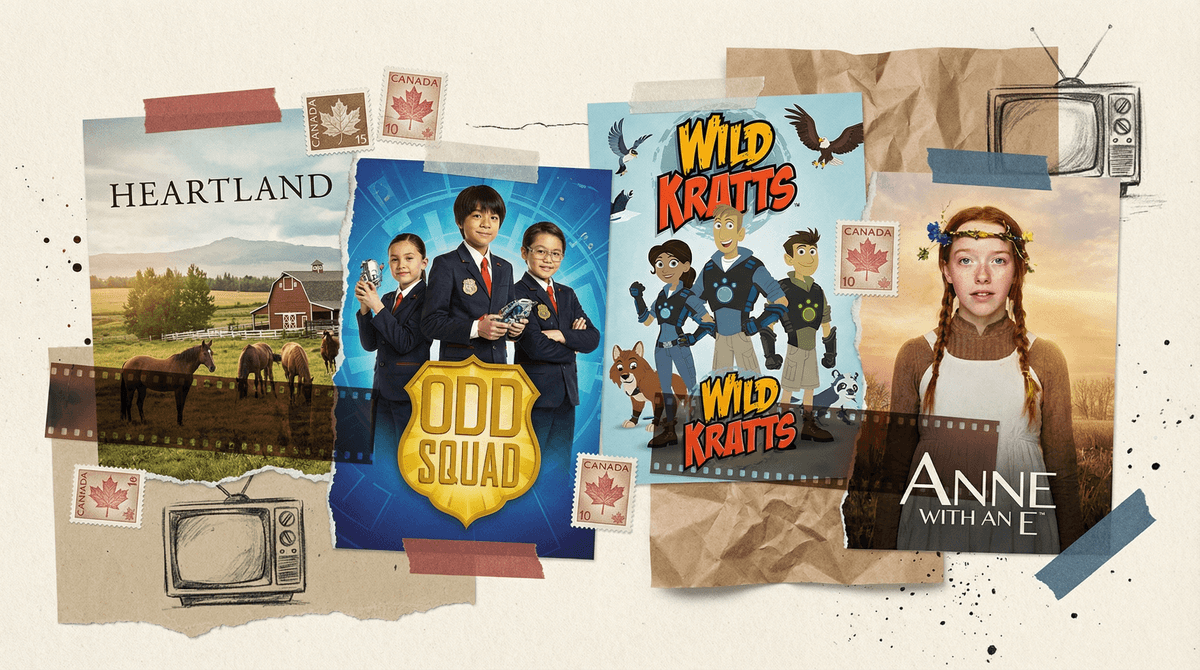
We're not talking about boring educational programming that makes your kids zone out after five minutes. Canadian productions have figured out how to make shows that are genuinely entertaining, age-appropriate, and—here's the kicker—actually watchable for parents too. From Heartland (which has been running for 17 seasons and counting) to Odd Squad, there's a whole universe of quality content that doesn't rely on the algorithm-optimized chaos of most streaming platforms.
The Canadian Radio-television and Telecommunications Commission (CRTC) has content requirements that prioritize educational value and age-appropriate storytelling. Translation: these shows have to actually be good for kids, not just designed to keep them clicking.
Canadian family programming tends to have a few things going for it that set it apart from the endless scroll of mediocre content:
Less commercial pressure: Without the same advertising arms race as U.S. networks, Canadian shows can focus on storytelling over selling toys or creating viral moments.
Genuine diversity: Canada's multicultural broadcasting requirements mean you'll see actual representation, not the token diversity that feels forced. Shows like Degrassi have been tackling real issues—mental health, sexuality, identity—since before it was trendy.
Nature and outdoor content: If you're trying to balance screen time with encouraging outdoor play, shows like Heartland or Wild Kratts (yes, it's Canadian!) weave in genuine appreciation for the natural world.
Lower intensity: Canadian shows generally operate at a lower stimulation level than their U.S. counterparts. This isn't boring—it's just not engineered to hijack dopamine receptors the way algorithm-optimized content is.
Ages 3-7:
- Paw Patrol: Yes, it's everywhere, and yes, it's Canadian. The episodic format and positive messaging work well for this age group, even if you'll be humming the theme song in your sleep.
- Odd Squad: Math concepts wrapped in spy adventures. Your kid learns problem-solving while you appreciate the surprisingly clever humor.
- Daniel Tiger's Neighborhood: Canadian co-production that actually teaches emotional regulation in ways that work.
Ages 8-12:
- Anne with an E: A modern take on Anne of Green Gables that doesn't shy away from harder topics but handles them beautifully. Great for tweens starting to think about identity and belonging.
- Wild Kratts: Brothers Chris and Martin Kratt make learning about animals genuinely fun. The animation style keeps younger kids engaged while the actual science keeps older ones interested.
- The Next Step: Dance competition reality-style show (but scripted) that deals with friendship, competition, and teamwork. Think less drama than Dance Moms, more actual positive messaging.
Ages 13+:
- Degrassi franchise: Multiple series spanning decades. These shows don't pull punches on tough topics—addiction, sexuality, mental health—but handle them with nuance. Not for younger kids, but excellent for teens.
- Heartland: 17 seasons of family drama centered on a horse ranch. Surprisingly sophisticated storytelling about grief, family dynamics, and personal growth. Yes, it's about horses, but it's actually good.
Where to find these shows: Many Canadian productions end up on Netflix, Hulu, or CBC Gem (which is free if you use a VPN). Some are on PBS Kids or other educational platforms.
The "Canadian content" rabbit hole: Once you start looking, you'll realize how many shows you thought were American are actually Canadian. Schitt's Creek? Canadian. Kim's Convenience? Canadian. There's a whole world here.
Production values vary: Some Canadian shows have Hollywood-level budgets (Degrassi, Anne with an E), while others look more modest. This can actually be a good thing—kids don't need Marvel-level CGI to be engaged.
Educational requirements work in your favor: Canadian content regulations mean shows often sneak in genuine learning without being preachy about it. Your kid thinks they're watching a fun adventure; they're actually learning about ecosystems or problem-solving.
If you're tired of the algorithm serving up the same overstimulating content, Canadian TV shows offer a genuine alternative. They're not perfect—some are definitely dated, and not every show will land with your family—but they represent a different approach to family entertainment that prioritizes storytelling and age-appropriateness over viral moments and merchandise sales.
The best part? Most of these shows have multiple seasons, so when you find one that works, you've got hours of content that you can actually feel okay about. No more doom-scrolling through Netflix while your kids argue about what to watch.
Next step: Pick one show from the age range that fits your kids and give it three episodes. If it doesn't land, try another. The goal isn't to find the perfect show—it's to find something good enough that everyone can watch together without anyone's brain turning to mush.
Curious about other alternatives to algorithm-driven content? Or check out our guide to family-friendly streaming options that go beyond the Netflix homepage.