

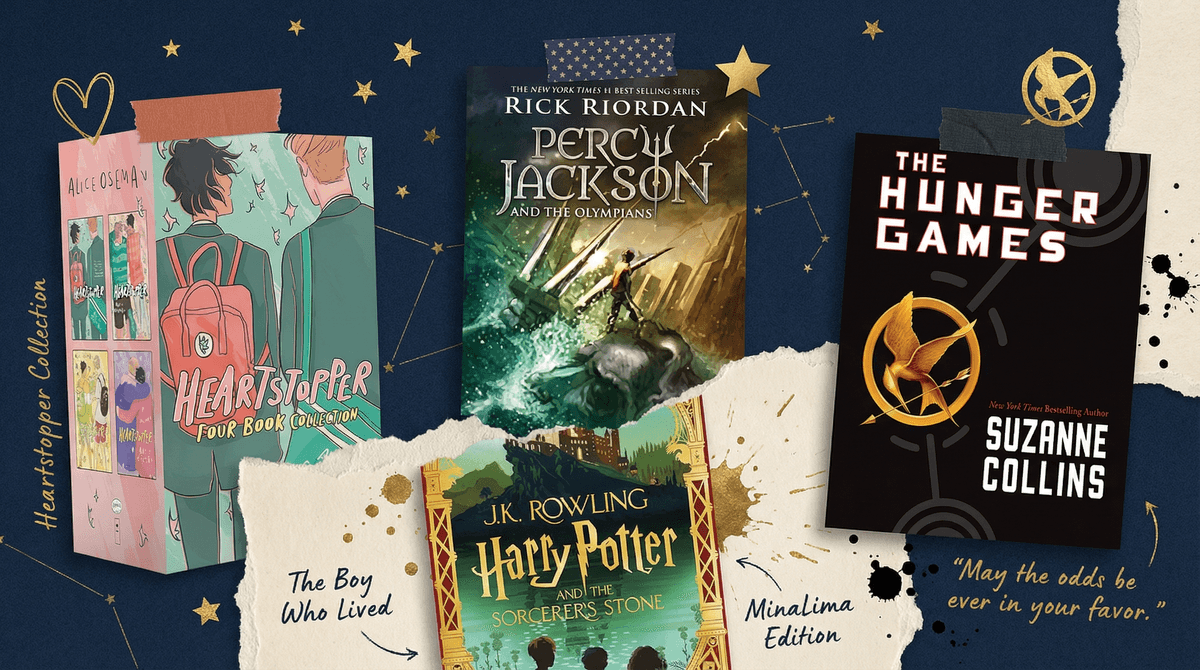
Look, we need to talk about something that might feel refreshingly analog in our digital parenting world: actual books. But here's the thing—teen book series have become their own cultural phenomenon, complete with fandoms, controversies, and the same "should I let my kid read this?" questions you're asking about TikTok.
Teen book series are multi-book narratives typically aimed at ages 12-18, though let's be real, plenty of adults are reading these too (no judgment—I've been there). We're talking everything from fantasy epics like The Hunger Games to contemporary romance series that make you wonder if teenagers actually talk like that (they don't).
The landscape has exploded since Harry Potter changed the game. Now we've got BookTok driving sales, diverse voices telling stories that didn't exist 10 years ago, and yes, some content that'll make you do a double-take when you flip through your kid's reading pile.
Series hit different than standalone books, and there are actual reasons for this:
They're bingeable. Just like Netflix shows, series let teens sink into a world and stay there. When they finish book one at midnight, book two is waiting. It's the same dopamine hit as auto-playing the next episode.
Community and identity. Being a "Hunger Games person" or "Percy Jackson kid" is social currency. These fandoms have their own inside jokes, theories, and TikTok trends. Your teen isn't just reading—they're joining something.
Character development over time. Series give characters room to grow in ways a single book can't. Teens are literally watching themselves change year to year, so following a character through multiple books hits harder.
The comfort factor. Once you're invested in a world and its rules, coming back feels like home. In an age of constant change and anxiety, that's not nothing.
Let's break down the series your teen is probably reading or asking about:
Percy Jackson and the Olympians (Ages 10-14) Rick Riordan's series is basically the gateway drug to teen reading. Greek mythology, ADHD representation, and humor that actually lands. The content is genuinely middle-grade appropriate—violence is present but not graphic, romance is sweet and age-appropriate. This is the series you can hand over without worry. The follow-up series (Heroes of Olympus, Trials of Apollo) age up slightly but stay in safe territory.
The Hunger Games trilogy (Ages 13+) Suzanne Collins doesn't pull punches. This is violent—kids killing kids in a dystopian death match. But it's also brilliant social commentary about media, class, and war. The violence serves a purpose and isn't glorified. That said, sensitive readers might struggle. The romance is there but secondary to survival. If your teen can handle intense themes and isn't prone to nightmares, this is powerful stuff.
Six of Crows duology (Ages 14+) Leigh Bardugo's heist fantasy is having a massive moment thanks to the Netflix adaptation. It's diverse, morally complex, and features characters with disabilities and trauma. Content-wise: there's violence, some torture scenes, references to sexual exploitation (not graphic), and complex moral situations. The romance is slow-burn and emotionally intense but not explicit. This is YA that respects teen intelligence.
A Court of Thorns and Roses series (Ages 16+, honestly 17-18+) Here's where we need to talk. ACOTAR started as YA but evolved into what's basically adult fantasy romance with explicit sexual content. The first book is fairy-tale retelling territory. By book two, we're in "your teen is reading detailed sex scenes" territory. BookTok loves it. Parents are often blindsided. If your 14-year-old is asking for this, maybe have a conversation about content first. Not saying don't allow it—just know what you're allowing.
The Inheritance Games trilogy (Ages 13+) Mystery, puzzles, and a Knives Out-style plot without heavy content concerns. There's romance but it's not explicit, no graphic violence, and the focus is on solving riddles. This is great for kids who loved escape rooms and true crime podcasts but aren't ready for adult content.
Throne of Glass series (Ages 15+) Sarah J. Maas (same author as ACOTAR) wrote this earlier, and it's more solidly YA. There's violence, some intense scenes, and romance that gets steamier as the series progresses. By the end of the 8-book series, we're approaching ACOTAR territory. Early books are fine for 14+, later books are 16+.
Teen lit has gotten SO much better in the past decade. We're seeing:
- LGBTQ+ protagonists in Heartstopper (graphic novel series, ages 13+, genuinely sweet)
- Racial diversity that goes beyond tokenism
- Neurodivergent characters written by neurodivergent authors
- Mental health portrayed with nuance
- Different body types, abilities, and family structures
This isn't "woke" content forced in—these are just stories that reflect actual teen experiences. If your teen is finding themselves in these pages, that's a win.
Here's the thing: books SHOULD challenge teens. That's different from content that's inappropriate for development.
Age-appropriate challenge looks like:
- Complex moral situations without easy answers
- Characters making mistakes and facing consequences
- Difficult emotions (grief, anxiety, anger) explored thoughtfully
- Age-appropriate romance that respects boundaries
- Violence with context and consequence, not glorification
Actual red flags look like:
- Romanticizing abuse or toxic relationships
- Graphic sexual content for younger teens
- Gratuitous violence without purpose
- Dangerous behavior portrayed as consequence-free
- Stereotypes and harmful tropes presented uncritically
The difference matters. The Hate U Give deals with police brutality and racism—that's challenging but important. A romance series that presents stalking as romantic? That's a problem worth discussing.
You don't need to read every book your teen picks up, but you can stay in the loop:
Common Sense Media is your friend. They provide age ratings, content warnings, and parent reviews. Bookmark it.
Ask the librarian. School and public librarians are literally trained in this. They know the content, the trends, and can recommend alternatives if something feels off.
Read the first book. If your teen is starting a series, read book one. You'll get the vibe and can decide from there.
Talk about what they're reading. Not in a "I'm checking on you" way, but genuine curiosity. "What's happening in your book?" opens doors. If they're excited to share, you'll learn a lot.
Check BookTok and Goodreads. See what teens are actually saying about books. The reviews will tell you about content concerns.
Teen book series are not the enemy. In a world where we're constantly worried about screen time, a kid who wants to binge-read is kind of a miracle.
That said, not all books are created equal, and "it's just reading" doesn't mean automatic approval. You can be pro-reading AND have boundaries about content. These aren't contradictory positions.
The goal isn't to control what your teen reads—it's to help them develop critical thinking about what they consume. That skill transfers to everything else: social media, news, relationships, life.
Start conversations, not interrogations. Ask what they think about character choices. Discuss why certain content might be concerning. Share your own reading experiences. Make it a dialogue.
And honestly? If your biggest parenting battle is whether your 15-year-old can read a book with some spicy scenes, you're probably doing okay. Pick your battles, trust your kid's development, and remember that reading—even reading romance novels that make you blush—is building literacy, empathy, and imagination.
If your teen is asking about a specific series: Look it up on Common Sense Media, read some Goodreads reviews from teens and parents, and consider reading the first book yourself or together.
If you're looking for recommendations: Check out alternatives to popular teen series based on what your teen already loves.
If you're concerned about content: Here's how to talk to teens about mature content in books without shutting down communication.
If your teen isn't into reading: That's okay too. Graphic novels, audiobooks, and even well-written fanfiction count. Let's talk about meeting kids where they are with literacy.