

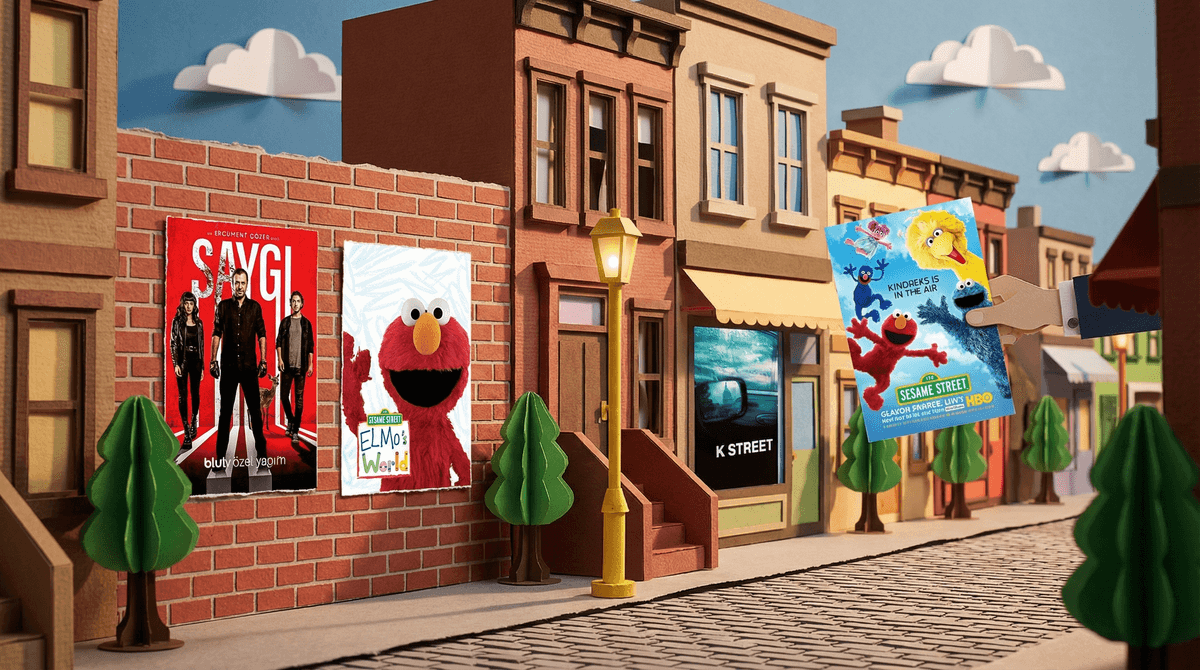
If you're reading this, you probably already know what Sesame Street is—it's been teaching kids letters, numbers, and how to be decent humans since 1969. But here's the thing: not all Sesame Street is created equal. The show has over 4,500 episodes spanning five decades, and honestly? Some of it absolutely slaps, and some of it is just... fine.
The best Sesame Street episodes are the ones that make you stop scrolling on your phone and actually watch with your kid. They're funny, genuinely moving, and tackle real stuff—death, divorce, racism, autism—without being heavy-handed. They're also just really well-made television, which is rare in kids' content.
In an era of algorithmic YouTube rabbit holes and iPad kids watching unboxing videos for three hours straight, Sesame Street remains one of the few pieces of children's media that was literally designed by child development experts and educators. Every segment has a purpose. Every song teaches something. And unlike a lot of modern kids' content, it respects your child's intelligence.
The research backs this up: Kids who watched Sesame Street showed improved vocabulary, pre-reading skills, and better attitudes toward people of different races and backgrounds. A 2015 study even found that kids who watched Sesame Street were more likely to be on grade level in school years later.
But beyond the academic stuff, Sesame Street does something really important: it teaches emotional intelligence. Big Bird processing Mr. Hooper's death. Elmo learning to manage frustration. These aren't just cute moments—they're modeling how to be human.
"Farewell, Mr. Hooper" (Episode 1839, 1983)
This is the episode parents remember crying through as kids. When actor Will Lee died, the show didn't replace him or pretend he moved away—they told kids the truth. Big Bird struggles to understand that Mr. Hooper isn't coming back, and the adults around him gently help him process grief.
Why it works: It's honest. It doesn't sugarcoat death, but it also doesn't traumatize. If your family is dealing with loss, this episode is genuinely therapeutic.
"Elmo's Potty Time" (2006)
Look, potty training is a nightmare. This special makes it slightly less nightmarish. Elmo learns to use the potty with help from his friends, and it's all very encouraging without being annoyingly chipper.
Why it works: It normalizes the process, shows accidents happen, and gives kids a framework. Plus, that "Elmo's Potty Time" song will live rent-free in your head for months.
"The Street We Live On" (Episode 4029, 2002)
This 90-minute special celebrates Sesame Street's history while addressing September 11th and introducing new characters. It's nostalgic for parents and introduces kids to the show's legacy.
Why it works: It's a perfect entry point if you're just starting Sesame Street with your kid. You get the classics (Rubber Duckie, C is for Cookie) plus newer content.
"Julia Meets Elmo" (2017)
Julia is a Muppet with autism, and this episode shows Elmo learning how to be her friend. She doesn't make eye contact right away, she flaps her hands when excited, and she covers her ears at loud noises. The show treats all of this as totally normal—which it is.
Why it works: Whether your kid has autism, knows someone who does, or will meet someone who does (spoiler: they will), this episode builds understanding and empathy without being preachy.
"Respect Brings Us Together" (2020)
This special directly addresses racism after the murder of George Floyd. It's age-appropriate but doesn't shy away from the reality that people are treated differently because of skin color.
Why it works: It gives parents language to talk about race with young kids. If you're white and unsure how to start these conversations, this episode does the heavy lifting.
Ages 1-3: Stick with classic segments—letters, numbers, songs. The attention span stuff. Elmo's World is perfect for this age, even if it makes you want to scream.
Ages 4-6: This is prime Sesame Street age. Full episodes work great. The emotional intelligence stuff (frustration, sharing, friendship) really lands here.
Ages 7+: Most kids age out around now, but the special episodes about bigger topics (death, divorce, autism, racism) can still be valuable conversation starters. Don't force it, but don't assume they're "too old" either.
Where to watch: HBO Max has the most complete library, including new episodes. PBS Kids has a rotating selection for free. YouTube has clips, but you know how YouTube goes—one minute it's Elmo, next minute it's some weird Elmo knockoff that's definitely not educational.
Screen time guilt: If you're going to give your toddler screen time (and let's be real, you are), Sesame Street is probably the best possible choice. It's not "brain rot." It's actual educational content that's been refined over 50+ years.
The modern episodes are different: If you're expecting 1980s Sesame Street, you'll notice changes. More Elmo, faster pacing, shorter segments. Some parents hate this. Personally? Kids today have different attention patterns, and the show has adapted. The core values are still there.
Not all episodes are streaming: Some of the absolute best episodes (like "Farewell, Mr. Hooper") aren't easily accessible on streaming platforms. You might need to search YouTube or check your library for DVD collections.
Sesame Street isn't just nostalgia bait for millennial parents—it's genuinely good television that teaches kids how to read, count, and be kind humans. The best episodes work on multiple levels: kids learn their ABCs, and parents get a little misty watching Big Bird figure out death.
In a digital landscape full of content designed purely to capture attention and sell toys, Sesame Street remains something rare: media made with intention, backed by research, and designed to actually help kids grow.
Is it perfect? No. Will your kid still ask for the iPad after? Probably. But if you're going to let them watch something, this is about as good as it gets.
Start with The Street We Live On for a great overview, then explore episodes based on what your family needs—potty training, emotional regulation, understanding differences. Check out PBS Kids for free access, or invest in HBO Max if you want the full library.
And hey, if you want to explore other quality kids' shows that aren't just colorful noise, check out alternatives to Cocomelon or our guide to the best educational shows for preschoolers.