

Look, I get it. You're scrolling through Prime Video at 7pm on a Tuesday, the kids have already burned through their usual rotation, and you're desperately trying to find something that isn't just empty calories for their brains. You want content that actually does something — educates, inspires, maybe even gets them asking questions at dinner instead of just parroting whatever catchphrase is trending on TikTok this week.
The good news? Amazon Prime has a surprisingly solid documentary collection that goes way beyond the true crime stuff (which, let's be real, is not family viewing). The bad news? Their interface makes it nearly impossible to find the good stuff without wading through a sea of questionable content.
So here's your curated list of documentaries that actually deliver — organized by what your family might be into right now.
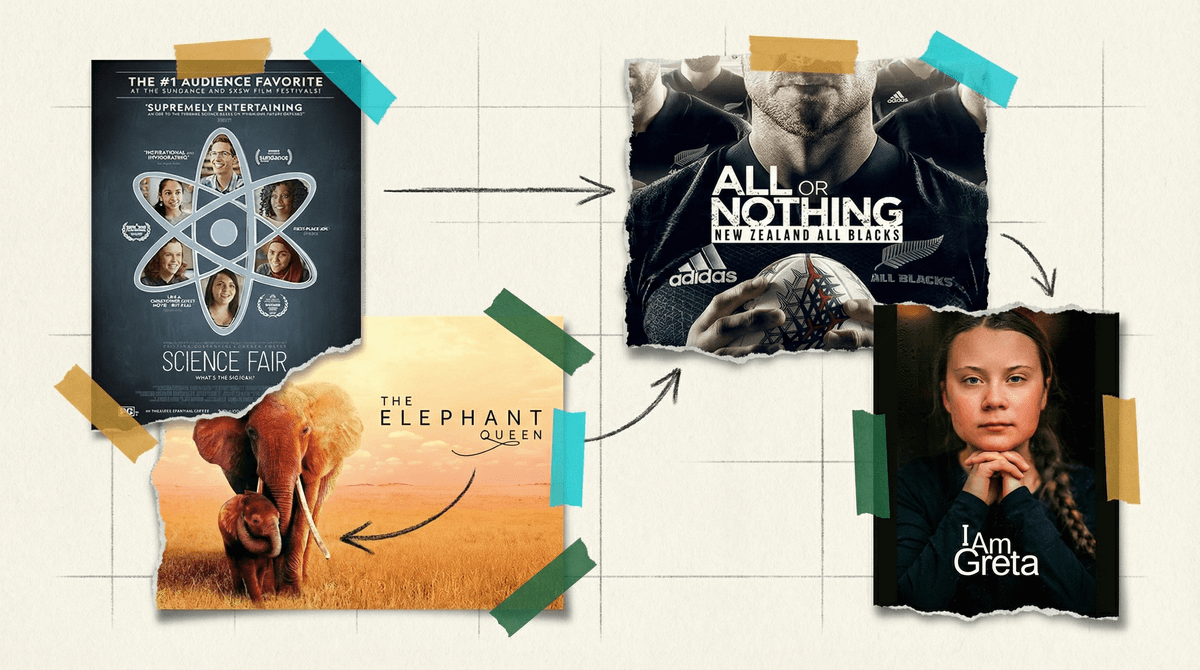
All or Nothing: New Zealand All Blacks might seem like an odd pick for nature content, but hear me out — the New Zealand landscapes are absolutely stunning, and if you've got sports-loving kids, this is a gateway to conversations about teamwork, discipline, and cultural traditions. Ages 10+ for the intensity.
But if you want pure nature content, The Elephant Queen is your move. It's beautifully shot, emotionally resonant without being manipulative, and works for kids as young as 6. Fair warning: there are some tough moments (circle of life stuff), but nothing gratuitous. It's streaming on Prime and honestly rivals anything Disney+ has in the nature doc space.
Take Us to the Moon is a hidden gem that follows the teams trying to win the Google Lunar X Prize. It's genuinely exciting, shows real failure and problem-solving (not just the sanitized version), and might actually inspire your kid to think about engineering as more than just "building stuff in Minecraft."
The pacing is solid enough to keep middle schoolers engaged, and there's enough human drama that it doesn't feel like a textbook. Ages 10+ is the sweet spot.
Greta — the documentary about Greta Thunberg — is essential viewing for middle schoolers who are starting to understand their place in larger systems. Whether your family agrees with every policy position or not, watching a teenager find her voice and actually do something is powerful.
It's also a great conversation starter about activism, mental health, and how social media can be used for actual good (a refreshing change from the usual doom spiral). Just be prepared for your kid to potentially get very intense about climate change afterward. You might want to have some concrete actions ready so that concern doesn't just turn into anxiety.
Seahorse: The Dad Who Gave Birth is technically about a transgender man's pregnancy journey, but at its core, it's about family, identity, and what it means to become a parent. For families comfortable discussing gender identity, this is a beautifully made, deeply human documentary. Ages 12+ for the mature themes, and definitely watch it yourself first to see if it aligns with how you want to approach these conversations.
If that's not your family's speed, Science Fair is a absolutely delightful underdog story about high school students competing in international science competitions. It's got genuine suspense, lovable kids from all over the world, and zero cynicism. Ages 8+ can enjoy it, though the science content might go over younger kids' heads.
Billie Eilish: The World's a Little Blurry is surprisingly intimate and honest about what it's like to become famous as a teenager. If your tween is already a Billie fan, this gives you a window into her world that's way more nuanced than her social media presence.
The documentary doesn't shy away from mental health struggles, family dynamics, and the pressure of sudden fame. It's long (2.5 hours), so maybe split it into two viewings. Ages 12+ for language and mature themes.
The Inventor: Out for Blood in Silicon Valley — the Theranos documentary — is basically a real-life thriller. It's got deception, billions of dollars, and a cautionary tale about charisma versus competence that's incredibly relevant for kids growing up in the age of tech bros and crypto scams.
Ages 13+ for sure, and it's a great entry point for conversations about critical thinking and media literacy.
Content ratings on documentaries are weird. Just because something is rated PG doesn't mean it's appropriate for all elementary schoolers. Documentaries deal with real-world complexity — death, injustice, difficult emotions — in ways that scripted content doesn't. Trust your gut on what your specific kid can handle.
Co-viewing is key here. Unlike throwing on Bluey for the millionth time, documentaries often spark questions in real-time. Being there to pause, discuss, and provide context makes these actually educational instead of just... watchable.
Not every documentary needs to be "educational" in the school sense. Sometimes watching people pursue excellence in something — whether it's rugby, science, or music — is valuable just for modeling passion and dedication.
Amazon Prime's documentary selection is legitimately good if you know where to look. These aren't just "better than nothing" options — they're genuinely engaging content that can shift your family's screen time from passive consumption to active engagement.
Start with whatever matches your kid's current obsessions. The nature-loving 8-year-old probably isn't ready for Theranos, but they might absolutely lose it over elephant migration patterns. Meet them where they are, and use these as bridges to deeper conversations.
And hey, if you try one of these and your kid still asks to go back to watching Ryan's World unboxing videos on YouTube? That's okay too. Progress, not perfection.
If you want more recommendations tailored to your family's specific interests and ages, Screenwise can help you find exactly the right content based on what your kids are already into.
Not an Amazon Prime household? Check out our guide to the best documentaries on Netflix or educational content on Disney+.
Want to make documentary watching more interactive? Try the "three questions" rule: everyone has to come up with three questions about what they watched. Turns passive viewing into active learning, and you might be surprised by what they're actually thinking about.