




Sports stories are the ultimate cheat code for talking about things like civil rights, resilience, or just being a decent teammate without it feeling like a Sunday School lecture. Whether your kid is actually on the pitch every Saturday or just likes the high-stakes energy of a buzzer-beater, the right media picks can turn that interest into a bridge toward bigger conversations about history and character.
TL;DR: This collection hits the sweet spot between high-energy action and real-world depth. For a deep dive into history through soccer, start with The Soccer Fence; for kids who want Avengers-level intensity on the court, Kuroko's Basketball is the pick. Younger readers will love the Brazilian favela setting of Soccer Star, while the 7-11 crowd gets a solid lesson in sportsmanship with Soccer Duel.
Most sports books for kids are about the "big game," but the best ones use the game to explain why the world looks the way it does. Two of these picks take kids outside their own zip code and into Brazil and South Africa, using the universal language of soccer to tackle some pretty heavy lifting.
This isn't just a book about soccer; it’s a primer on how societies change. Set in Johannesburg during the transition from apartheid, it follows a boy named Hector who watches the "white" boys play on a real pitch through a fence. The story spans from the dark days of segregation to the moment Nelson Mandela walks free and South Africa wins the 1996 African Cup of Nations.
It’s a WISE 82/100 because it doesn't sugar-coat the reality that change is slow. Hector doesn't just wake up one day and get to play on the fancy field because Mandela was released; it takes time, effort, and a shared love for the game to actually break down those social barriers.
Why it works: It builds what we call "background knowledge" strands of literacy. Your kid is learning about global civil rights while they think they’re just reading about a striker. It’s perfect for the 6-10 age range, though you’ll want to be ready to explain what apartheid actually was in terms a second-grader can grasp.
If The Soccer Fence is about the political barriers in sports, Soccer Star is about the economic ones. Set in a Brazilian favela, it follows Paulo, who dreams of stardom while working to help his family. It’s a beautiful, authentic look at Brazilian life that avoids being "poverty porn."
The real standout here is Paulo's sister, Maria. In a world where the boys assume they own the field, she proves she’s got the footwork to compete. It handles the gender barrier naturally—she doesn't give a speech about equality; she just puts the ball in the net when the team needs it most.
The Screenwise take: This is a great pick for ages 5-9. It’s a short read, but the mixed-media illustrations are stunning and give kids a real sense of place. It’s a solid way to show that for many kids around the world, soccer isn't just a hobby—it's a form of resilience.
If the books above are the "prestige drama" of this list, this next pick is the summer blockbuster.
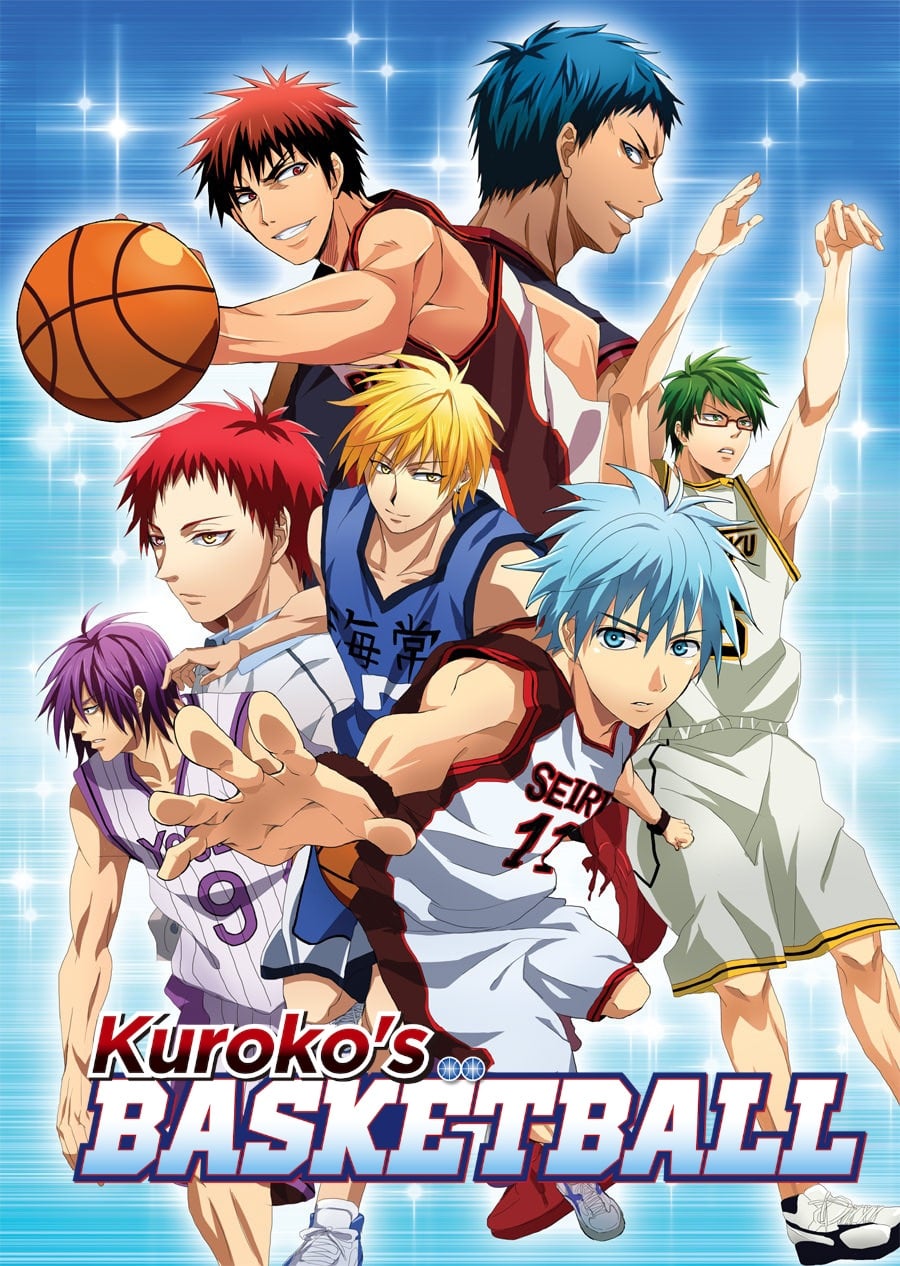
Forget everything you know about realistic sports physics. Kuroko's Basketball takes the energy of a Marvel movie and puts it on a high school basketball court. We’re talking internal monologues that last three minutes while a character is mid-air, and players who have "special moves" that feel like literal superpowers.
The genius of this show is the protagonist, Kuroko. Usually, sports anime focuses on the flashy ace who scores all the points. Kuroko is the opposite: he’s "invisible" on the court, using his lack of presence to pull off insane misdirection passes. He is the ultimate "support" player.
What to watch for: It’s rated TV-14, mostly for the sheer intensity and some "anime-style" melodrama, but if your kid has seen any MCU movie, they’ll be fine. The biggest "risk" here is your kid trying to replicate a physics-defying dunk in the driveway and realizing that, unfortunately, gravity still exists.
The lesson: It’s a masterclass in the "roles" of a team. It teaches that the person who makes the pass is just as vital as the person who takes the shot. For the kid who wants to hog the ball, Kuroko is a great counter-narrative.
Sometimes you just need a solid, relatable story about the kid on the other team who is being a total jerk.
Matt Christopher is the undisputed king of the "reluctant reader" sports shelf. Soccer Duel was written in 2000, so it feels a bit like a time capsule (no smartphones, no TikTok), but the central conflict is timeless: how do you handle a fierce rivalry without losing your mind?
The story follows Renny and Bryce, two talented players on opposing teams. It’s a short, punchy chapter book that mirrors the actual drama kids face in their local leagues. It’s not about saving the world or ending apartheid; it’s about whether you can be friends with the person who just blocked your winning shot.
The age fit: This is the sweet spot for 7-11 year olds who are transitioning into chapter books. The chapters are short, the vocabulary is accessible, and the stakes feel appropriately "kid-sized." It’s the perfect "carpool book" for the ride to practice.
Sports media is a great jumping-off point for what we call "active curation." Instead of just letting the next YouTube video play, use these picks to talk about the mechanics of the game and the world.
- Analyze the "Zone": If your kid watches Kuroko's Basketball, ask them about the "Zone" (the state of hyper-focus characters enter). Talk about what "flow state" feels like when they’re playing their own sport or even a video game.
- The "Shadow" Player: Ask which of their teammates is the "Kuroko"—the one who doesn't get the glory but makes the whole team better. It’s a great way to build social-emotional awareness.
- Contextualize the History: When reading The Soccer Fence, look up a map of South Africa together. Show them photos of the 1996 African Cup of Nations. It turns a story into a history lesson they actually want to learn.
Q: Is Kuroko's Basketball appropriate for a 10-year-old?
Yes. While officially rated TV-14, the "mature" content is mostly just high-stakes sports drama and stylized intensity. There’s no graphic violence or heavy adult themes. If they can handle a PG-13 superhero movie, they can handle this.
Q: My kid hates reading but loves soccer. Which book should I start with?
Go with Soccer Duel. Matt Christopher’s books are specifically designed for reluctant readers—they’re fast-paced, use simple language, and stay focused on the action on the field.
Q: Do I need to know anything about soccer to enjoy The Soccer Fence?
Not really. The book does a great job of explaining the emotional weight of the game. You don't need to know the offside rule to understand the feeling of being kept on the outside of a fence.
Q: Are there any "bad" messages in Soccer Star?
The only thing to watch for is the "sports as the only way out" trope, which is a bit of a cliché in stories about poverty. It’s worth a quick chat about how education and other paths matter too, but for a picture book, it’s handled with a lot of heart.
This list isn't just for "jocks." It’s for any kid who likes a story where the stakes are clear and the effort matters. Whether you're using The Soccer Fence to talk about justice or Kuroko's Basketball to talk about teamwork, these picks prove that the best sports stories happen as much in the head and the heart as they do on the field.
If your kid finishes these and wants more, check out our best movies for kids list for more high-energy picks, or dive into our digital guide for elementary school for more age-appropriate book and show recommendations.
Get help picking a next book series Find more high-energy anime like Kuroko's