

You don't need flashcards or expensive workbooks to teach a four-year-old the fundamentals of phonics and addition; you just need to pick the right eleven minutes of animation.
The best preschool shows don't feel like "school" at all—they feel like stories, music, and puzzles that kids actually want to solve. While plenty of shows claim to be educational, most are just loud noise with a "color of the day" tacked on at the end. The real winners on this list are the ones that bake the learning directly into the DNA of the characters and the plot. When the character is the number five, or the magic happens only when you rhyme, the learning isn't an interruption—it’s the point.
TL;DR
If you want to turn screen time into a stealthy learning session, start with Numberblocks for math sense and Alphablocks for early reading. For science and general curiosity, StoryBots Super Songs and Ready Jet Go! provide high-quality information without the "babyish" tone, while Wallykazam! turns phonics into a magic-filled adventure. These shows respect a kid's intelligence while keeping the "fun" front and center.
There is a specific kind of magic happening in the UK's educational TV scene, and it’s centered around blocks. If you’re looking for the absolute gold standard in "stealth learning," these two are where you start.
This is, hands down, the most effective math show ever made. Most shows "teach" counting by having a character point at apples. Numberblocks does something much smarter: the characters are the numbers. Five is made of five blocks. When she jumps on top of One, they literally transform into Six. It gives kids a visual, tactile understanding of number conservation and "part-part-whole" relationships that most adults don't even grasp until later. It’s calm, the songs are genuinely catchy, and it scales from "what is the number 3?" all the way up to multiplication and square numbers.
From the same creators as Numberblocks, Alphablocks does for reading what its sibling does for math. Each letter has a distinct personality—Letter S sags and sighs, Letter T is obsessed with tea. When they hold hands, they make a sound. It’s pure phonics instruction disguised as a quirky ensemble comedy. Because it’s a British production, you might hear a few different pronunciations (like "zed" instead of "zee"), but the logic of how letters blend to make words is universal. It’s the perfect companion for a kid who is just starting to realize that those squiggles on the page actually mean something.
Preschool science is often relegated to "look at this bug," but kids are capable of understanding much bigger systems if you frame them correctly.
This PBS Kids standout features an alien kid named Jet Propulsion who moves to a human neighborhood. It’s a classic fish-out-of-water setup, but the "fish" happens to have a flying saucer and a deep knowledge of the solar system. What makes Ready Jet Go! stand out is the involvement of real scientists, like Dr. Amy Mainzer from NASA’s Jet Propulsion Laboratory. It doesn't shy away from actual terminology—your kid will be talking about "gas giants" and "atmosphere" without realizing those are "hard" concepts. It’s high-energy and optimistic, making it a great pick for kids who have outgrown the slower pace of something like Daniel Tiger's Neighborhood.
Sometimes the best way to get a concept to stick is to wrap it in a song or a magic trick.
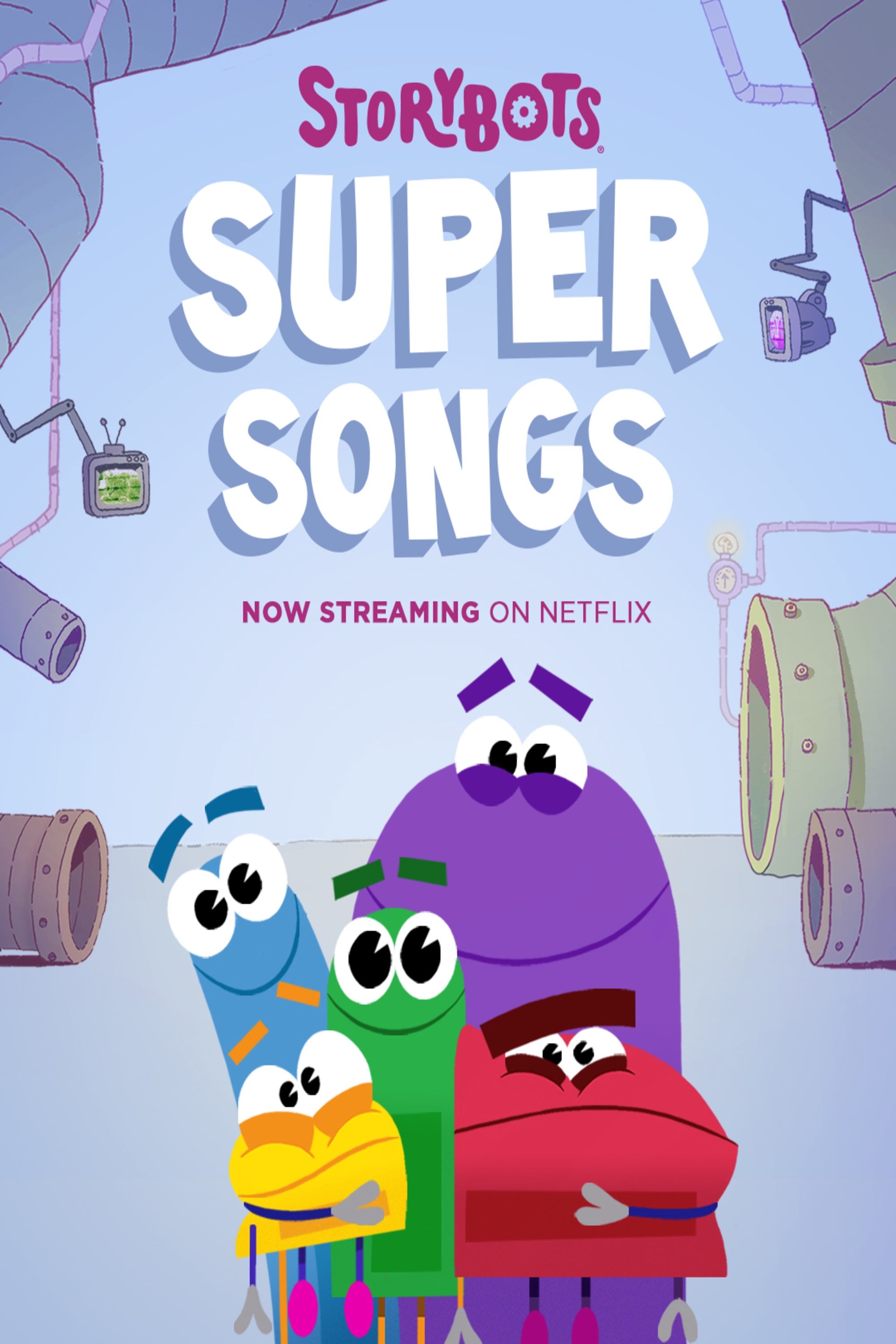
If you’ve ever found yourself humming a song about the solar system or how ears work, you’ve probably been exposed to StoryBots. StoryBots Super Songs takes the best parts of the longer series and distills them into bite-sized, musically diverse music videos. We’re talking folk, rock, hip-hop—styles that don't make parents want to hide the remote. It’s the ultimate "waiting for dinner" show because the episodes are short, visually varied (using 2D, 3D, and stop-motion), and packed with actual facts. It’s less about a narrative and more about building a kid’s "background knowledge" strand of literacy.
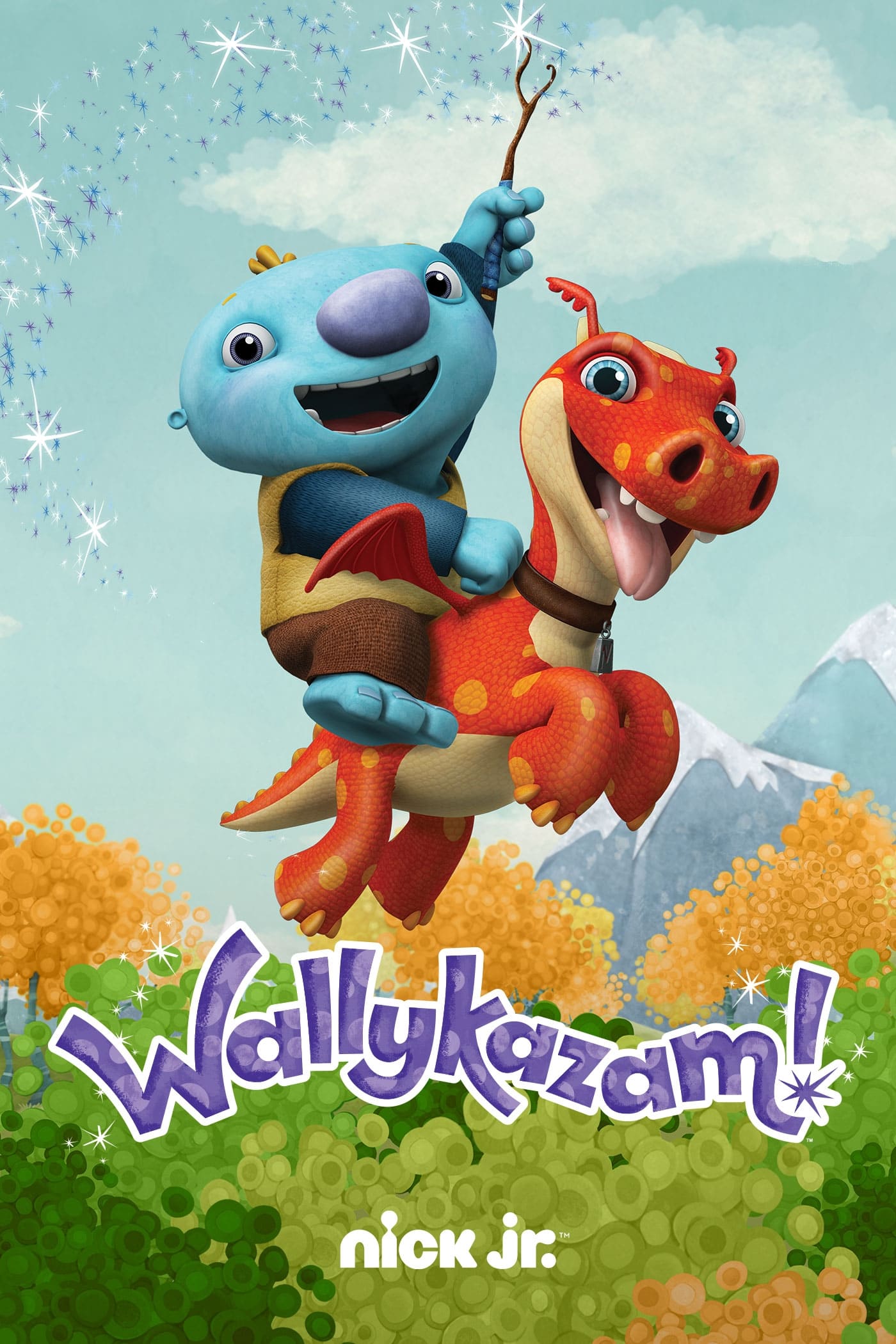
While Alphablocks is about the mechanics of letters, Wallykazam! is about the power of words. Wally is a troll with a magic stick that can make words come to life—but only if they start with a specific letter or rhyme with a specific sound. It turns phonemic awareness into a game. If Wally needs to get over a wall, he has to create something that rhymes with "hop." It’s an incredibly clever way to show kids that language is a tool they can use to solve problems. Just be prepared for your kid to start "casting spells" on everything in your house using rhyming couplets.
The reason these shows land so well with intentional parents is that they don't treat the "learning" as a separate, boring segment. In Numberblocks, the math is the action. In Wallykazam!, the phonics is the magic.
When kids watch these, they aren't "studying." They are watching characters they like navigate worlds they find interesting. This builds what literacy experts call "the reading rope"—specifically the strands of vocabulary, background knowledge, and phonological awareness. By the time they hit a classroom, these concepts feel like old friends rather than foreign obstacles.
The biggest "watch-out" isn't the content—it's the age-out. Most of these shows are specifically tuned for the 3-to-6-year-old brain. Once a kid is reading fluently or doing second-grade math, the "magic" of a letter coming to life starts to feel a bit "babyish." If you have an older sibling in the room, they might groan, but honestly? They’ll probably still end up singing the StoryBots songs.
Also, keep an eye on the "British-isms" in Alphablocks. It’s not a dealbreaker, but you might need to explain why the characters say "zed" or use words like "mum" or "lorry." Treat it as a bonus lesson in cultural diversity.
You don't need to turn the TV off to make this "educational." The best move is to lean into the show's mechanics:
- During Numberblocks: Ask, "Wait, if Three and Two join together, who are they going to become?"
- After Wallykazam!: Play a quick game of "Magic Stick" at dinner. "I have a magic stick that only makes things that rhyme with 'cat.' What can I make?"
- After Ready Jet Go!: Look at a picture of the moon or a planet and ask, "What did Jet say about why that looks that way?"
Q: Is Numberblocks better than Cocomelon for learning? Yes, by a landslide. While Cocomelon focuses on nursery rhymes and basic routines, Numberblocks actually teaches the conceptual foundations of mathematics. If the goal is cognitive development rather than just "keeping them occupied," Numberblocks is the superior choice.
Q: Will Alphablocks teach my kid to read on its own? It won't replace a parent or a teacher, but it is an incredible supplement. It teaches "decoding"—the ability to see letters and turn them into sounds—which is the hardest part of early reading. Pair it with physical books to help them make the jump from the screen to the page.
Q: Are these shows safe for a 3-year-old? Absolutely. These are all rated for the preschool set (TV-Y). They are high-enrichment, low-stress, and generally avoid the "villain" tropes or scary themes found in older kids' media. Ready Jet Go! is the highest energy of the bunch, so maybe skip that one right before naptime.
Q: My kid is 7, is this list too young? Probably. At 7, most kids are moving into the digital guide for elementary school phase. They might still enjoy Ready Jet Go! for the space facts, but for math and reading, you'll want to look for more advanced "bridge" content.
You aren't "dumping them in front of the TV" if the TV is doing the heavy lifting of teaching them how the world works. These five shows are the antidote to "brain rot"—they are intentional, well-produced, and genuinely effective. Start with the blocks and go from there.
- Check out our full digital guide for preschoolers for more age-appropriate picks.
- If your kid is obsessed with space after watching Jet, see our best science shows for kids list.
- Get show recommendations for a 4-year-old who loves dinosaurs and math