Travel anxiety isn't usually about the destination—it's about the friction of the "in-between." The unpredictable noise of an airport, the cramped backseat of a car, or the loss of a daily routine can send a kid's nervous system into overdrive. When that happens, the move isn't to hand over a high-intensity, dopamine-spiking game that will leave them more frayed; it's to provide a "predictable bubble." Calm media acts as a portable safe space, giving kids a low-stakes environment where they have total control while the world around them feels chaotic.
TL;DR: To ease travel jitters, swap high-stress competitive games for titles that prioritize "flow state" and sensory feedback. For toddlers, Bongo Cat is a perfect ten-minute distraction, while older kids can ground themselves with the strategic focus of ChessKid or the immersive, silly world of Vacation Simulator. These picks provide a comforting distraction during unpredictable transitions without the "crash" that comes from more overstimulating content.
For preschoolers and toddlers, travel anxiety often manifests as a need for immediate, gentle feedback. They don't need a complex story; they need to know that when they press a button, something delightful—but not jarring—happens.
This is a one-trick pony, but it’s a very good trick. It’s a wholesome app where you tap buttons and a cute cat plays instruments. That’s it. There are no levels to lose, no timers, and no "game over" screens. It’s pure musical noodling. For a three-year-old who is overwhelmed by the hum of a plane engine, eight minutes of making a cat play the marimbas is a genuine nervous-system reset. It’s one of those best apps for kids that does exactly what it says on the tin.
Starfall is the OG of phonics, and while the interface looks like it’s from 2013 (because it is), that’s actually part of the charm. It’s zero-frills and zero-ads. For a kid who feels out of sorts, the repetitive, predictable nature of letter sounds and simple animations provides a sense of order. It’s educational, sure, but in a travel context, it’s more about the soothing rhythm of the curriculum. If you’re looking for more in this vein, check out our digital guide for preschoolers.
As kids get older, "calm" doesn't have to mean "easy." Sometimes the best way to handle anxiety is to give the brain a complex problem to chew on. This moves the focus from the external environment (the bumpy road) to an internal logic puzzle.
Chess is the ultimate "brain food," but it’s also a fantastic grounding tool. ChessKid is basically the Fort Knox of chess apps—it’s incredibly safe, with no open chat and heavy parental controls. When a kid is locked into a match or a puzzle, they aren't worrying about how long the flight is. They’re thinking three moves ahead. It requires patience and rewards a quiet mind. If your kid is new to the game, have them start with the bots to keep the pressure low.
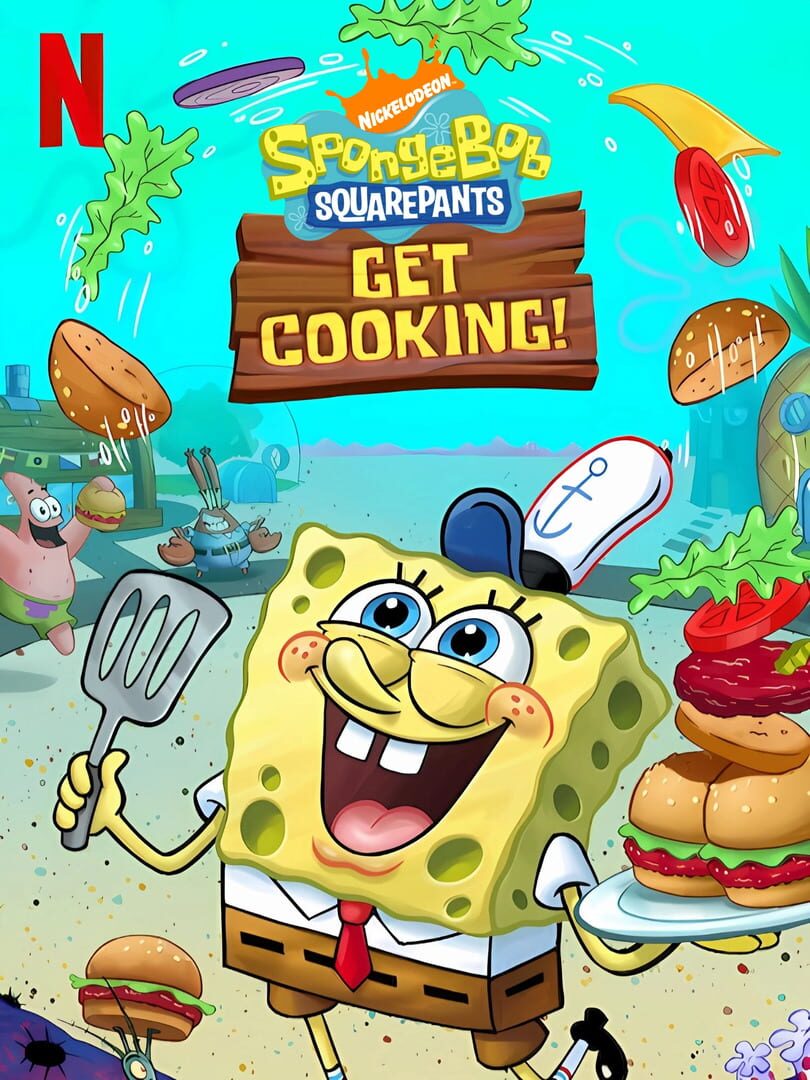
Normally, mobile cooking games are a minefield of "energy bars" and "buy more gems" pop-ups that increase stress rather than lowering it. Because this version is through Netflix, all that predatory garbage is stripped out. It’s a straightforward time-management sim. The familiar Bikini Bottom vibe is wholesome, and the gameplay loop—flipping patties and serving customers—is just engaging enough to keep them occupied without being so intense that a "loss" causes a meltdown. It’s a solid entry in our best games for kids list.
Sometimes the best way to deal with a cramped travel situation is to pretend you’re somewhere else entirely. If you have a VR headset in the mix, this is the "break glass in case of emergency" option.
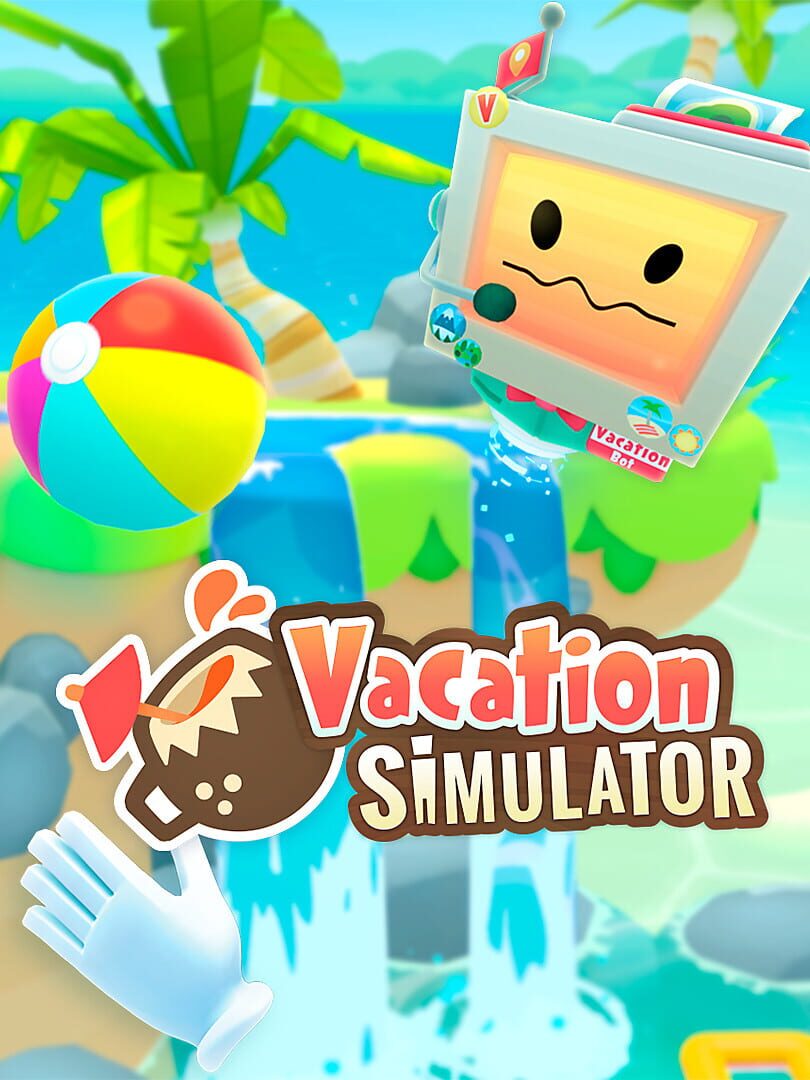
If you’re stuck in a rainy hotel room or a long layover, Vacation Simulator is a literal change of scenery. It’s a silly, safe VR playground where robots try to understand how humans relax. There’s no violence, no social pressure, and no way to "fail." Kids can make virtual smoothies, play mini-games, or just throw things at robots. It’s one of the best cozy games for VR because it prioritizes humor and exploration over intensity.
The goal here isn't just to "plug the kid in" and walk away. Media is a tool for regulation, and you can help them use it more effectively.
- Do it with them initially: If they’re feeling anxious, sit with them for the first ten minutes of ChessKid or SpongeBob: Get Cooking. Your presence plus the game's structure provides a double layer of security.
- Narrate the calm: If you see them getting into a "flow state," point it out later. "I noticed you were really focused on those chess puzzles during the turbulence; that seemed to help you stay cool."
- Use audio as a bridge: If screens are getting to be too much but the anxiety is still high, switch to our best podcasts for kids list. Sometimes closing their eyes and listening to a story is the best way to reset.
The biggest friction point with travel media isn't the content itself—it's the transition off the device. When you arrive at the hotel or the car finally stops, a sudden "screens off" command can trigger a second wave of anxiety. Give them a "soft landing." Instead of "we’re here, turn it off," try "we’re five minutes away, finish this level/match and then we’ll help unload the bags."
Q: What's the best way to use media for a kid who gets car sick? Stick to audio content like podcasts or audiobooks. Staring at a screen while in a moving vehicle is a recipe for nausea. If they must use a screen, Bongo Cat is okay for very short bursts because it doesn't require intense visual tracking.
Q: Is ChessKid better than a regular chess app? Yes, specifically for safety. Most chess apps have open chat or "friend" features that aren't moderated. ChessKid is built from the ground up for schools and parents, meaning the social layer is locked down tight.
Q: Does SpongeBob: Get Cooking require an internet connection? Since it's a Netflix game, you'll need to download it while you have Wi-Fi. Check the specific "offline play" status before you lose your signal, as some Netflix titles require a periodic check-in to verify your subscription.
Calm media isn't just a distraction; it's a regulation tool. By choosing titles like Starfall ABCs for the little ones or ChessKid for the older crowd, you're giving them a way to filter out the chaos of travel. The win isn't just a quiet car ride—it's a kid who feels capable of managing their own big feelings during a big transition.